How to prevent EV battery degradation: NMC/NCA vs LFP vs Li‑Po
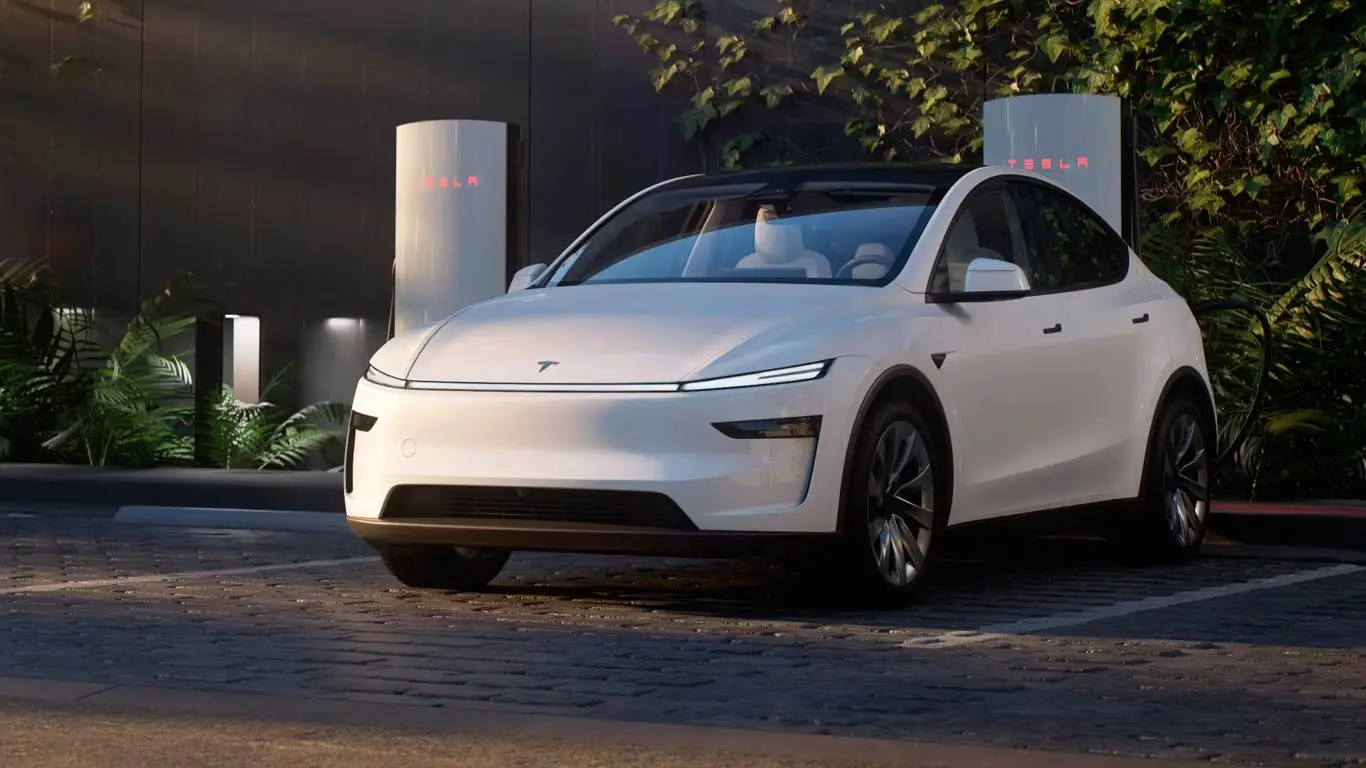 tesla.com
Owner habits drive EV battery degradation. How NMC/NCA, LFP and Li‑Po respond to fast charging, high SOC, heat and cold, with simple tips to extend pack life.
Experts note that most cases of accelerated EV battery degradation stem from owner habits. The most vulnerable are lithium‑ion NMC and NCA packs, which are sensitive to high states of charge, deep discharge, frequent fast charging, and elevated temperatures. Keeping a car at 100 percent for long stretches or leaving it with a near‑empty battery speeds up cell wear. In everyday use, the quiet deciders are simple: how high you charge, how low you run, and how often you lean on rapid charging.
LFP batteries, common in city EVs and mainstream models, stand apart. They handle heat better and are largely unbothered by deep discharge, yet they need regular 100 percent charges to stay properly calibrated. Charging them in the cold—or attempting to use fast chargers at low temperatures—still chips away at performance. For drivers used to nursing NMC packs, the need to reach a full charge may feel counterintuitive, but it’s baked into how LFP chemistry stays accurate.
Li‑Po batteries, found in certain high‑performance electric cars, are sensitive to overheating, storage at full charge, and mechanical stress. Misuse can deform the cells and trim capacity. This is a chemistry that rewards careful thermal management and a gentle touch off the track.
Specialists emphasize that following the operating guidelines is the surest way to preserve battery life over the long term. For anyone aiming to avoid an expensive repair, those habits are worth treating as part of routine ownership.