Geely paves the way for BYD and Chery: Chinese EVs are heading into Canada
 D.Novikov
Lotus EVs ship to Canada in July under the Carney-Xi deal. Chery and BYD are next in line, with up to 49,000 Chinese EVs allowed at a reduced tariff.
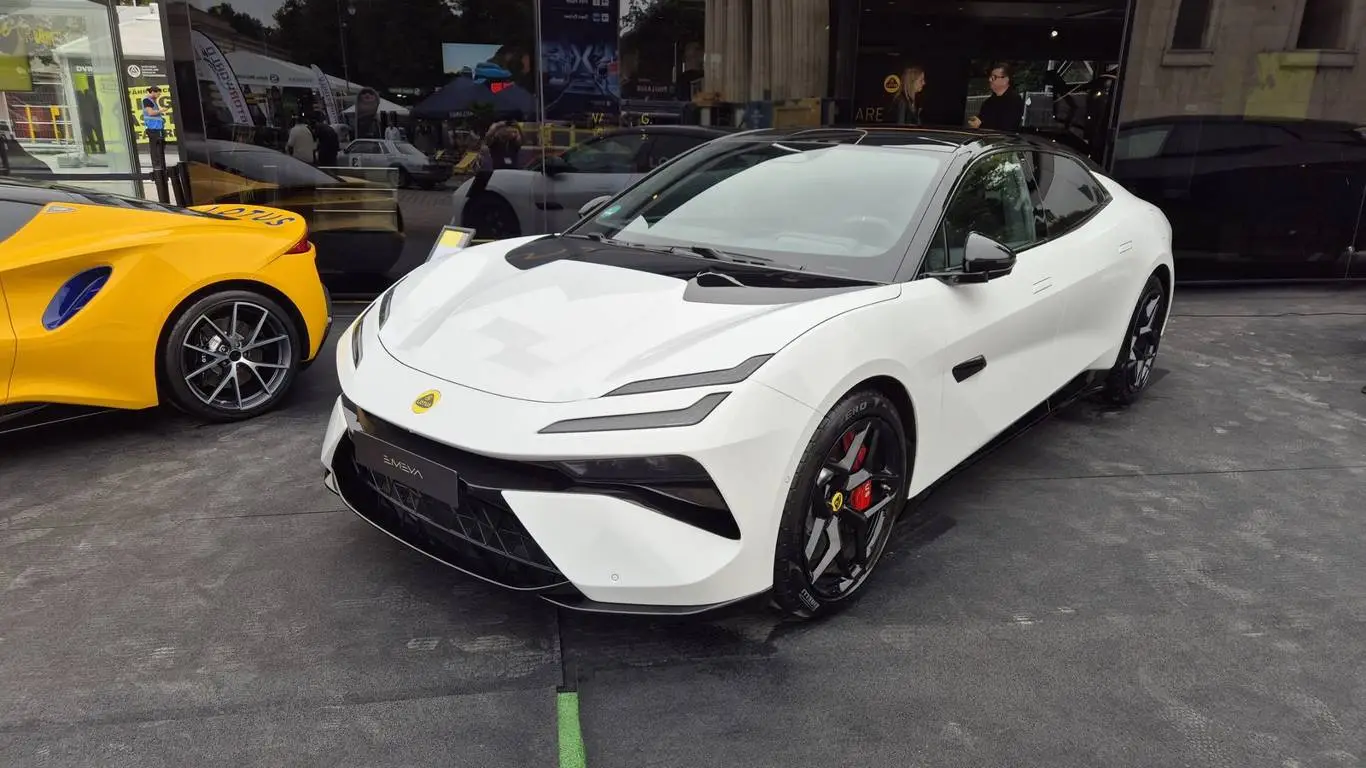
China’s Geely is preparing to start shipping Lotus electric vehicles to Canada as early as July. According to Reuters, these cars will be the first Chinese-built vehicles to enter the Canadian market under the arrangement between Prime Minister Mark Carney and Chinese President Xi Jinping.
The agreement allows up to 49,000 Chinese EVs per year into Canada at a reduced tariff. For Ottawa this is more than an automotive story — it’s part of a broader push to reduce trade dependence on the United States. The Lotus launch is set for Montreal, where a delivery ceremony for the first cars is expected.
Lotus was not chosen by accident. Formally it’s a British premium brand with strong motorsport heritage, but it’s owned by Geely and builds its modern electric models on a Chinese industrial base. This kind of entry is softer than launching a mass-market Chinese brand head-on: the buyer sees a familiar name, and the market gets what is effectively a Chinese EV under a more prestigious badge.
Chery and BYD could be next. China’s ambassador to Canada, Wang Di, told Reuters that both companies are already coordinating procedures with Canadian agencies. Some vehicles have been brought in earlier for local testing, and a full rollout of other Chinese brands is possible in the autumn. BYD has previously been more cautious, suggesting sales are more likely to begin next year.
For Canada this is a sensitive pivot. On one hand, Chinese EVs could broaden choice, increase competition and accelerate electrification. On the other, Carney’s decision has already drawn criticism from some U.S. politicians: it cuts against Washington’s tougher stance toward the Chinese auto industry.
Chinese companies, for their part, aren’t rushing to build factories. According to the ambassador, manufacturers are interested in joint ventures and supply-chain investment, but first they need to test demand and grow sales. The approach is pragmatic: market first, localization later.
Against this backdrop, Canada and China are discussing a wider trade expansion. Carney has spoken of a goal to increase exports to China by 50% by 2030, while the Chinese side suggests even a doubling is possible. The list of categories includes oil, LNG and agricultural products such as canola, peas and beef. But tariff disputes over canola and pork remain unresolved, so the auto quota doesn’t mean a full thaw without strings attached.
Lotus in Canada is more than the delivery of a few EVs. It’s a test of whether the Chinese auto industry can establish itself in North America not through the U.S., but through a more flexible Canadian entry point.