Koenigsegg Gemera: 2,300 hp, Four Seats and the First Customer Delivery
 koenigsegg.com
Koenigsegg has finally delivered the first Gemera. The four-seat hypercar packs a twin-turbo V8, three electric motors and a 401 km/h top speed.
Koenigsegg has finally brought the Gemera to customer deliveries. The first production four-seat hypercar from the Swedish brand has rolled off the line and is reportedly heading to its owner in Switzerland — but before that, the car will be shown at the Aurora Concours in Sweden.
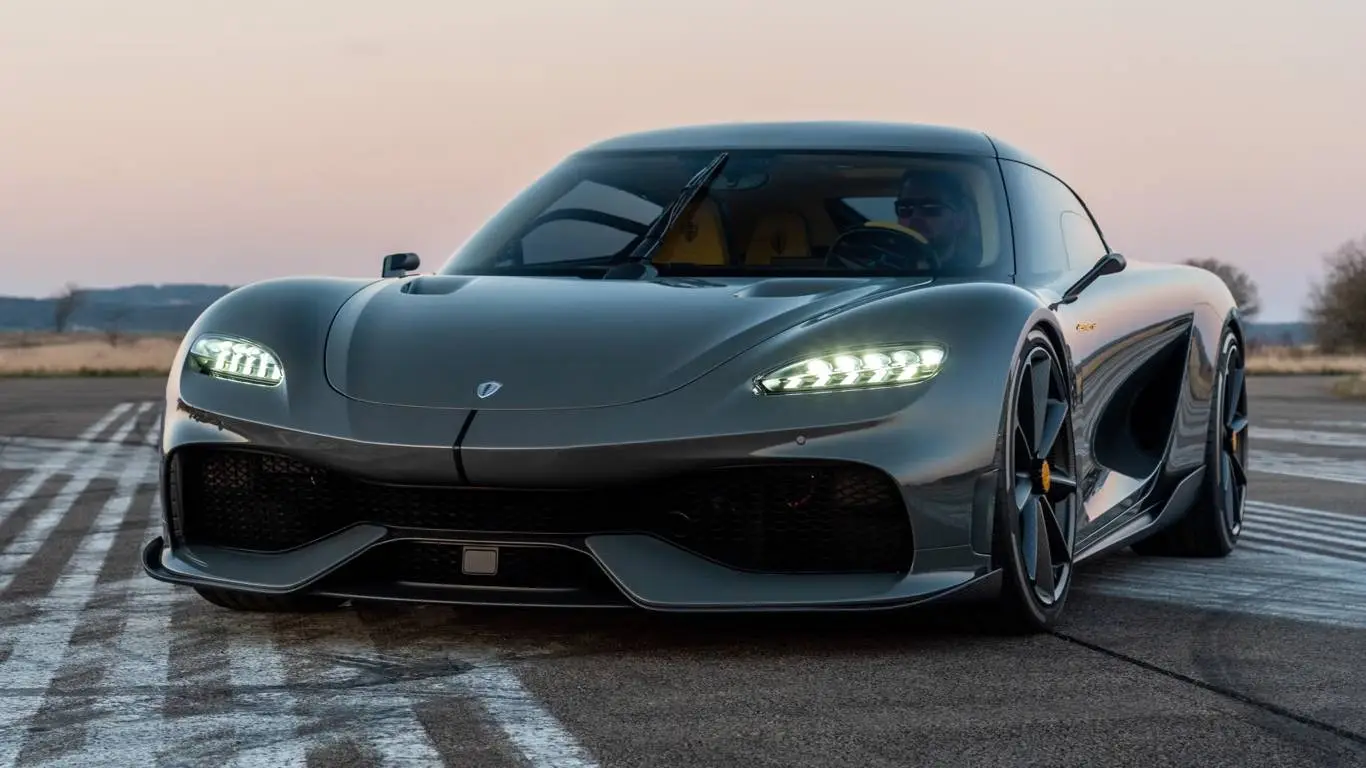
The Gemera was first unveiled back in 2020, so the real interest now isn’t the premiere itself but how the car finally made it to production. The series version looks a touch calmer on the outside: conventional mirrors instead of rear-view cameras, and the aerodynamics have been reworked. The car now features a revised rear wing, a front splitter and elements from the optional Ghost Package.
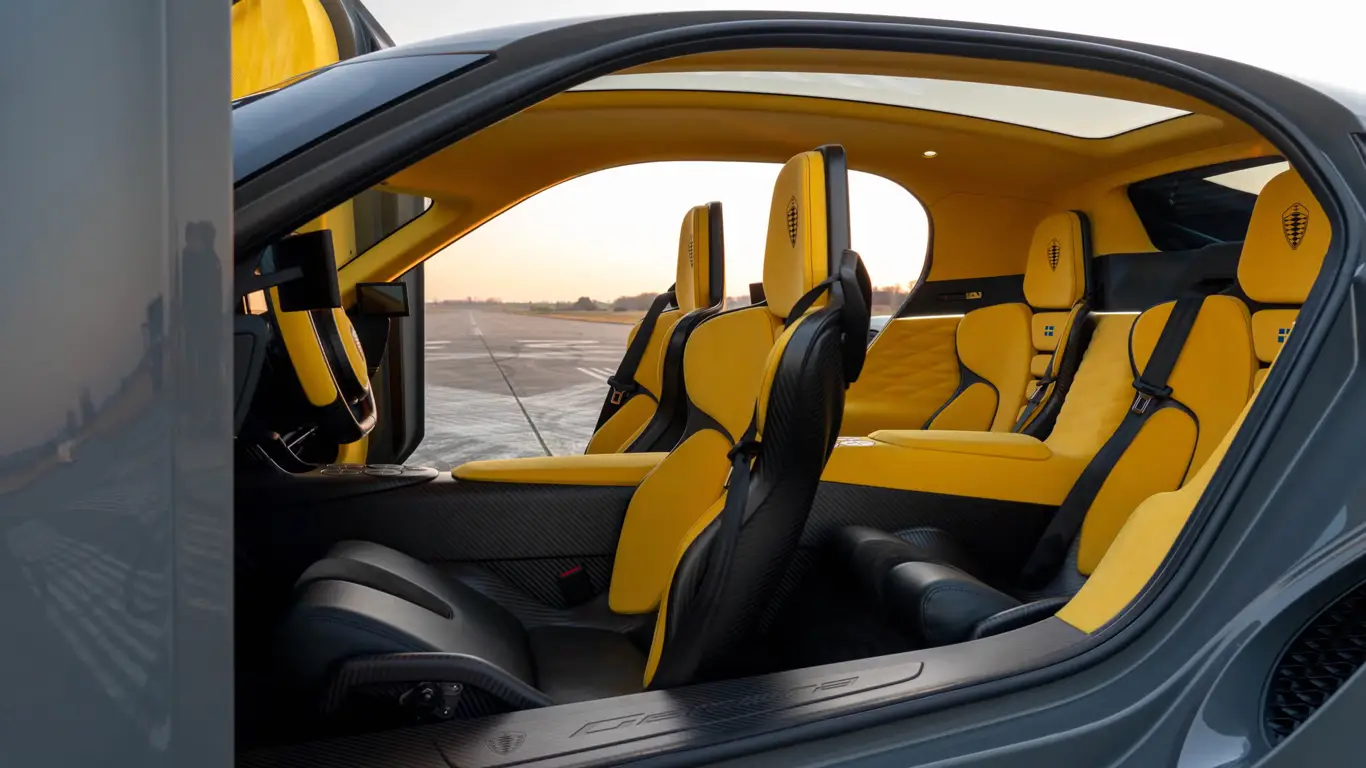
The Gemera’s core idea stays the same: a hypercar with four seats, which Koenigsegg labels a Mega-GT. The hardware, however, has changed dramatically. Originally the model was announced with a 2.0-litre three-cylinder twin-turbo as part of a hybrid setup, but the final version uses a 5.0-litre twin-turbo V8 paired with three electric motors.
The headline figures are 2,300 hp and 2,750 Nm. All four wheels are driven through Koenigsegg’s proprietary 9-speed Light Speed Tourbillon Transmission. The claimed 0–60 mph time, or 0–96 km/h, is 1.9 seconds, with a top speed of 249 mph — around 401 km/h.
On paper that reads like another hypercar numbers race, but the Gemera stands out for a reason. The Bugatti Tourbillon, Rimac Nevera, McLaren W1 and Ferrari F80 all play in the top tier of speed, yet almost all of them remain strictly two-seaters. Koenigsegg is trying to merge hypercar-level performance with a true long-distance GT format, where passengers don’t end up treated as luggage.
For the average buyer the Gemera is mostly a glimpse at an unreachable corner of the market, but it shows clearly where the top of the segment is heading. Hypercars no longer have to be cramped, raw and almost unusable in daily life. Now even 2,300 horsepower can be wrapped in a car that technically works for a family.
Koenigsegg hasn’t just built a fast car with rear seats. It’s testing whether a hypercar can still be called impractical when it carries four people faster than most racing cars.