EU Tariffs on Chinese PHEVs: Brussels Moves to Close the Hybrid Loophole
 omodajaecoo.com
Brussels prepares countervailing duties on Chinese PHEVs after BYD, MG and Chery used the segment to bypass existing EV tariffs.
The European Commission may be preparing another blow to Chinese carmakers in Europe. According to Handelsblatt, Brussels is looking into additional tariffs on plug-in hybrids (PHEVs) imported from China. Such measures currently apply to pure electric vehicles but not to PHEVs.
The existing framework emerged from an anti-subsidy investigation into Chinese electric cars. Since 31 October 2024, on top of the EU’s standard 10% import tariff, individual duties apply: 17% for BYD, 18.8% for Geely, and 35.3% for SAIC, the parent company of MG. Only pure electric vehicles fell under these measures, while ICE cars, conventional hybrids and plug-in hybrids stayed outside the scope.
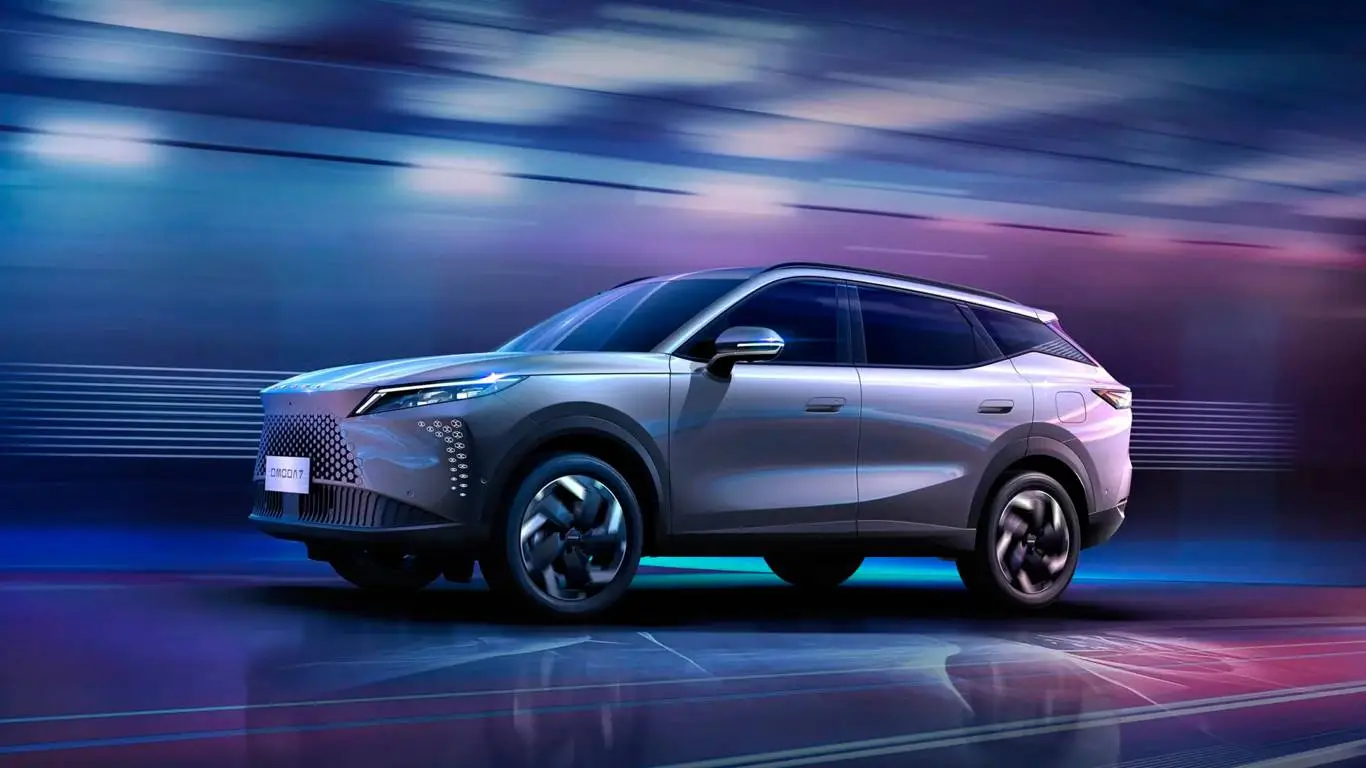
That loophole is exactly what Chinese brands have used. BYD, MG, Chery with Omoda and Jaecoo, along with Geely, began aggressively promoting PHEV models in Europe that escaped the “electric” tariffs. The BYD Seal U DM-i became the best-selling plug-in hybrid in Europe in 2025, ahead of the Volkswagen Tiguan eHybrid, Volvo XC60 Recharge, Ford Kuga and Toyota C-HR.
No decision has been made yet. According to Handelsblatt, the European Commission has already launched an investigation and is exploring whether to extend additional duties to PHEVs. Tariffs on plug-in hybrids are expected to be softer than those on EVs, since the batteries are smaller and the cost structure is different.
If European tariffs do get tougher, Chinese brands may step up local production in the EU or shift their export priorities. Such moves could eventually affect model availability in other markets as well. For now, the industry awaits the European Commission’s official decision.