Fisker Ocean Bankruptcy: Owners Build Community to Save Their EVs
 fiskerinc.com
After Fisker Ocean bankruptcy, owners formed a 4,000-member community reverse-engineering software and providing repairs. See how they keep their EVs going.
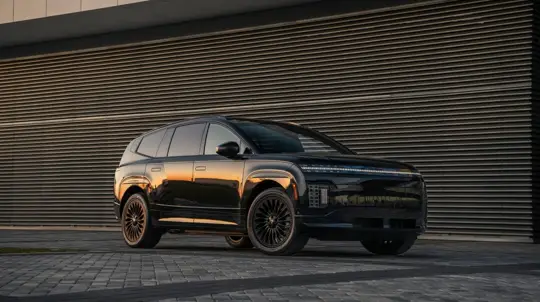
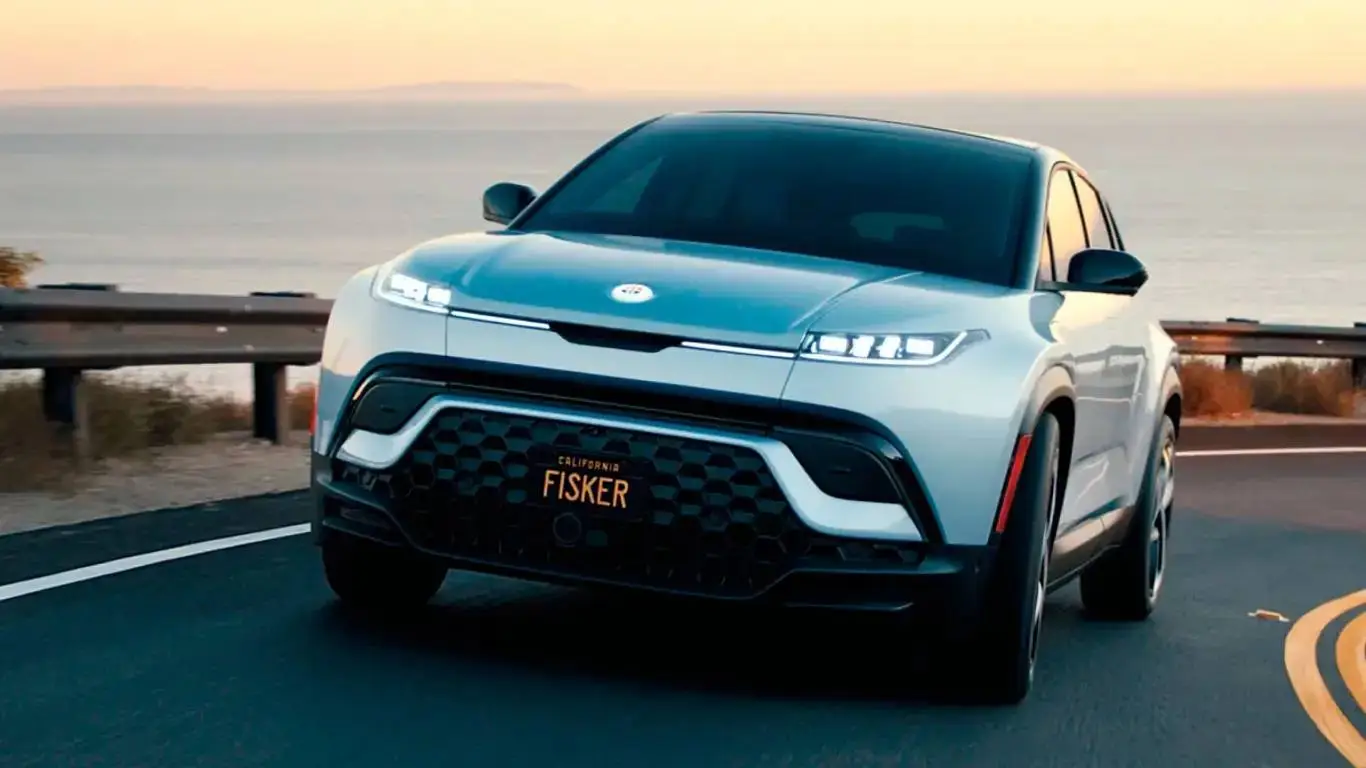
The Fisker Ocean’s story stands out as one of the most troubling examples of the new automotive era. Buyers paid $40,000 to $70,000 for an electric SUV, only to find themselves without proper support, warranty coverage, remote updates, or many connected features after the company filed for bankruptcy in 2024.
Fisker built around 11,000 Oceans, despite holding over 31,000 orders. The potential revenue was pegged at $1.7 billion, but cash dried up faster than the company could stabilize production and service. Court documents from the bankruptcy reveal debts exceeding $1 billion. The real trouble went beyond simply shutting down the brand.
The Ocean was deeply tied to software and Fisker’s cloud servers. Diagnostics, updates, many services, and even basic system operation all depended on the company’s infrastructure. As the servers went dark, the cars began turning into orphans on wheels. But owners didn’t just watch them become expensive scrap. They formed the Fisker Owners Association, a nonprofit that quickly attracted about 4,000 members.
In practice, these owners became a club, a service network, a tech startup, and a replacement for the vanished automaker all at once. The community hired specialists to reverse-engineer software patches, studied the car’s CAN buses, shared flashing instructions, organized parts purchases, and even offered key-pairing services. Where before an owner would have to visit a dealer, now a fellow owner shows up with a laptop, an adapter, and the right file.
Europe saw the rise of “mobile mechanics”—tech-savvy members who travel to other owners to help maintain their cars. In the U.S., the association jumped into the bankruptcy proceedings, pushing to keep recall campaigns active, ensure parts supply, and maintain insurance for the Ocean.
The most intriguing part is the open-source effort. Developers began reviving the API for the official app, migrating car data to third-party systems, posting tools on GitHub, and building standalone diagnostics. One project even integrates Fisker Ocean data into a smart home system, while enthusiasts work with CAN bus files and error codes.
A full open-source unlock of the car isn’t possible yet. Critical systems come from third-party suppliers like Magna, and tampering with brake, airbag, or battery software demands extreme caution. But multimedia, diagnostics, connected functions, and service tools have already become territory for independent development.
There was also an attempt to keep the official infrastructure alive. After bankruptcy, leftover cars and some software rights went to a leasing company that seemed willing to work with owners. But agreements stayed verbal, a dispute over cloud, connectivity, and maintenance costs erupted, and the plan fell apart. As a result, remote functions were turned off for private owners, and some recall campaigns stalled.
Fisker isn’t the only cautionary tale. Nikola also went bankrupt; Canoo and Arrival went through painful liquidations. The more a car relies on software, clouds, and closed services, the bigger the question: what happens to the vehicle if the brand vanishes? That’s why rights advocates and experts are pushing for new rules—mandatory preservation of critical software in case of bankruptcy, open-sourcing of code or service tools, access to repair data, and a ban on blocking independent repairs. Oregon has already passed a right-to-repair law that limits how parts and services can be tied to a manufacturer’s closed infrastructure.
The Fisker Ocean is a warning to the entire industry. The car of the future must not die with the company’s server. Otherwise, even a healthy battery, motors, and body won’t stop it from becoming an expensive, unsupported gadget. Fisker owners proved that a community can do a lot, but proper consumer protection needs to be in place before the first car is sold, not after bankruptcy.