Leapmotor's Premium Brand to Launch by 2026 with Potential Stellantis Partnership
 B. Naumkin
Leapmotor is launching a new premium brand by end of 2026, with first models in 2027. Stellantis may distribute via Alfa Romeo, signaling deeper EV tech integration.
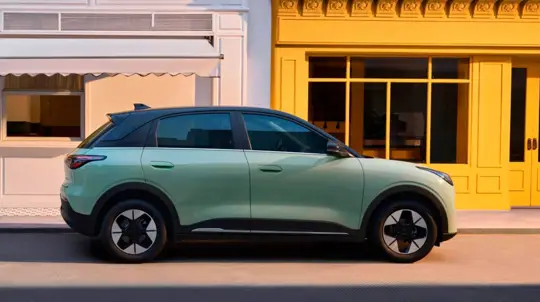
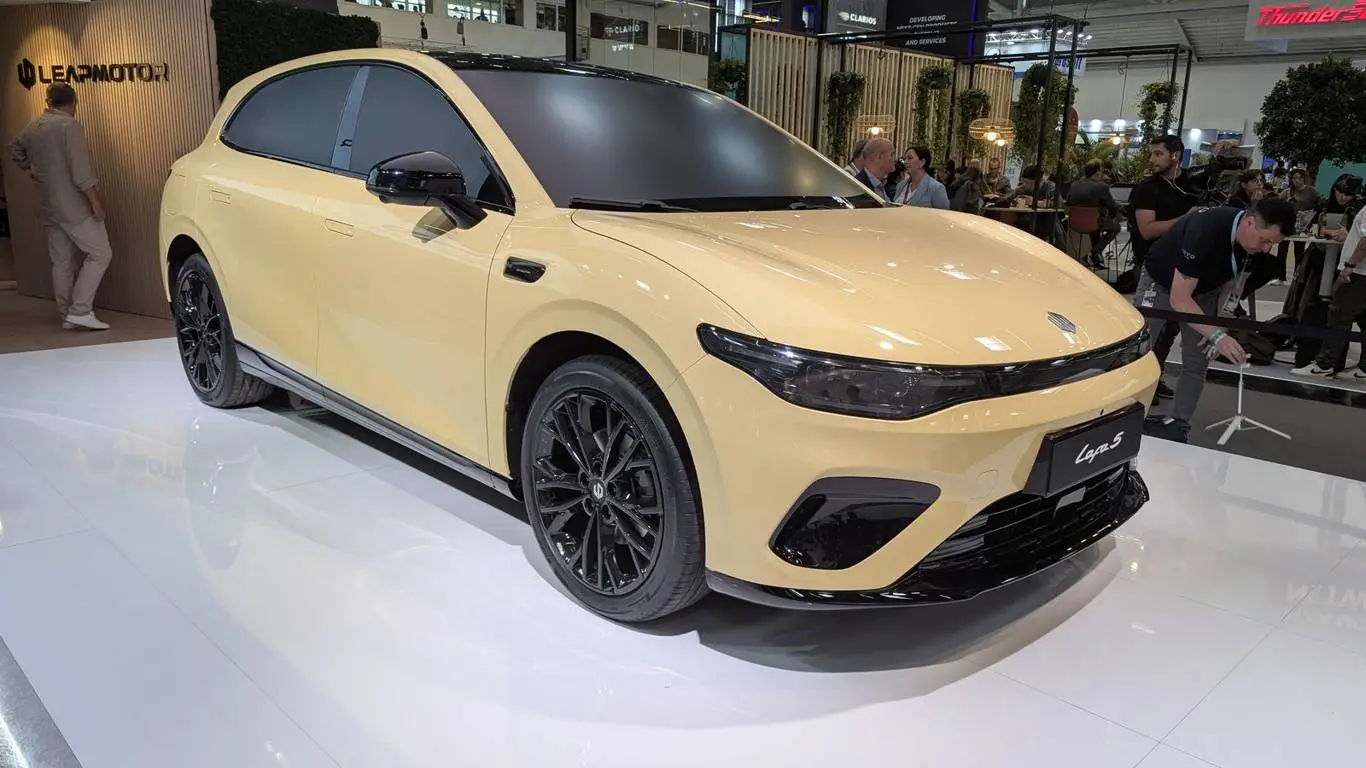
Leapmotor is readying a second brand, and this time it's premium rather than budget. Company Vice President Li Tengfei confirmed that the new brand's first models are expected to debut by the end of 2026, with sales starting in the second half of 2027.
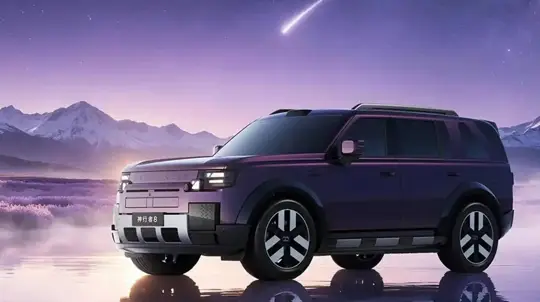
The reasoning is straightforward: Leapmotor built its name on affordable electric vehicles, but now it's aiming higher in price and prestige. Other Chinese groups have already shown the way—BYD with Denza, Geely with Zeekr. To keep its mainstream models separate from pricier ones, the new Leapmotor brand will operate its own dealer network.
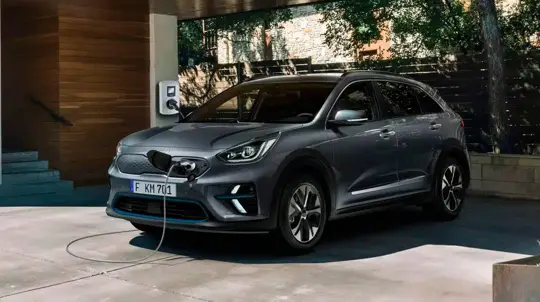
The big unknown is Europe. Whether Stellantis will distribute the new brand beyond China remains to be seen. But the partnership is deepening—Stellantis already leverages Leapmotor's technology and intends to produce a compact Opel SUV on the Leapmotor B10 platform. Rumors also suggest that Alfa Romeo, Citroën, and Fiat could benefit from the Chinese firm's electric vehicle know-how.
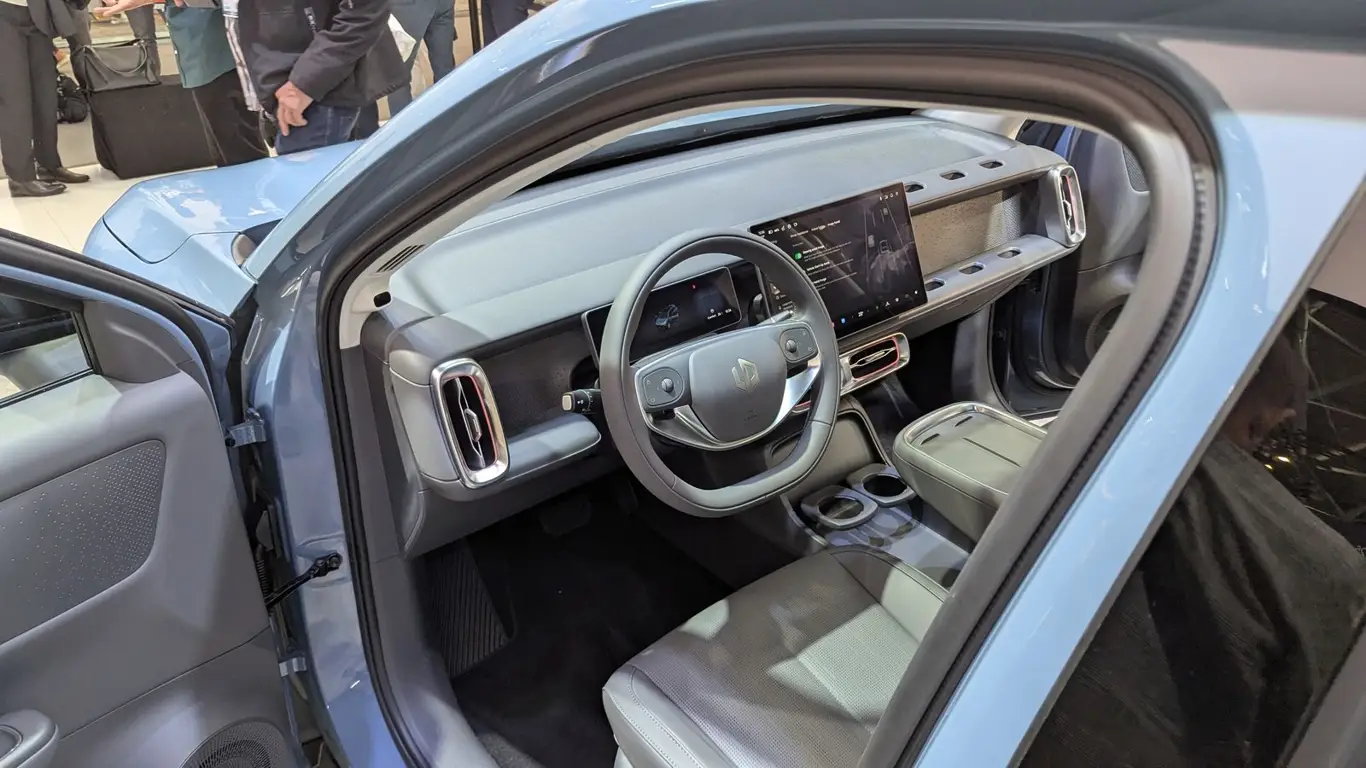
Stellantis might also use one of its heritage brands for premium models built on Chinese tech. Its portfolio includes Alfa Romeo, DS Automobiles, and Lancia. DS is still young and heavily linked with Citroën, while Lancia has faded in stature. Alfa Romeo seems the most promising candidate for this kind of move, though nothing has been officially announced.
Another clue lies in the Villaverde plant in Madrid, which is set to be handed over to Leapmotor International, the joint venture between Stellantis and Leapmotor. That's more than just importing cars—it's a sign of deeper manufacturing integration.
The answer could come soon: on May 21, Stellantis is due to unveil its new corporate strategy. If Leapmotor indeed gets a premium brand with a European launch via a storied marque, that would send a worrying message to rivals—Chinese technology doesn't have to wear a Chinese badge anymore.