Skoda ends China production, PQ34 platform after 28 years
 volkswagen-newsroom.com
Skoda exits China, ending production of the PQ34 platform introduced in 1996 on the Audi A3 that underpinned many VW Group models for 28 years.
A long chapter in Volkswagen Group history has come to an end. Skoda's exit from the Chinese market also marks the end of production for models based on the PQ34 platform—the architecture that first appeared in 1996 on the original Audi A3.
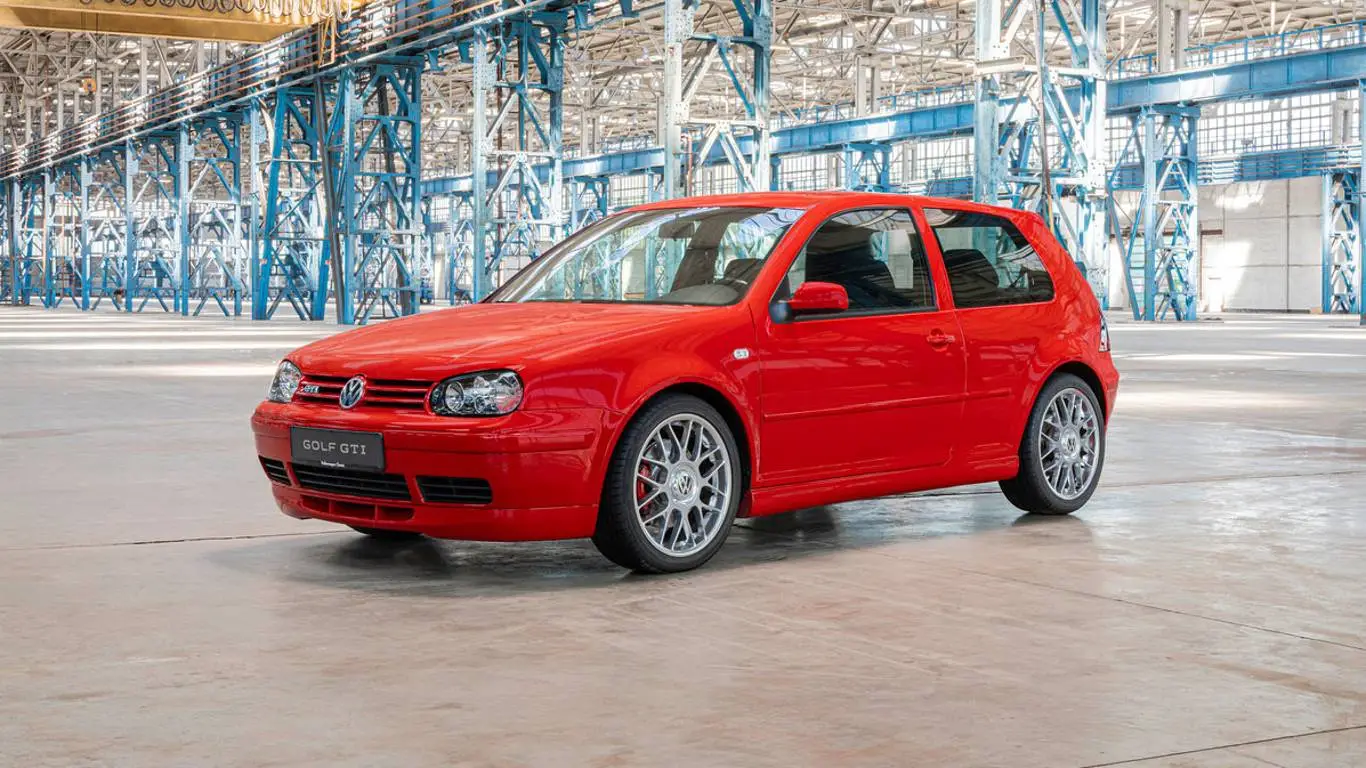
For European buyers, this platform is best known for underpinning the Volkswagen Golf IV. It also served as the foundation for the first Skoda Octavia, the original Audi TT, the Seat Leon and first-generation Toledo, as well as the Volkswagen New Beetle. PQ34 supported front and all-wheel drive, and offered a wide range of engines, from mainstream four-cylinders to V6 and VR6 units, including performance variants like the Golf R32.
China was where the PQ34 had its longest run. A revised version there was used in the Skoda Kamiq and Kamiq GT, built in partnership with SAIC. These cars shared little with the European Kamiq aside from the name and badge. The Chinese version had already been adapted around 20 years earlier for the Volkswagen Lavida, so it was no longer a direct copy of the 1990s Audi A3 platform. Later models were powered by a more modern 1.5-liter TSI, not old naturally aspirated engines.
The Golf IV, first-generation Octavia, Audi A3, and Audi TT remain familiar sights to Russian owners and mechanics, and PQ34 is remembered as an example of straightforward, durable Volkswagen engineering. But for buyers, this development has few practical implications—it's simply the end of an old platform in China, not a halt to current VW production. One of the group's most iconic architectures has finally retired.