Tesla Model 3 Gets New LFP Battery, Boosts Charging Speed and Performance
 A. Krivonosov
Tesla quietly upgrades Model 3 with new LFP battery from Sunwoda. Charging time drops to 15 minutes for 10-80%, acceleration improves to 5.2s 0-100 km/h.
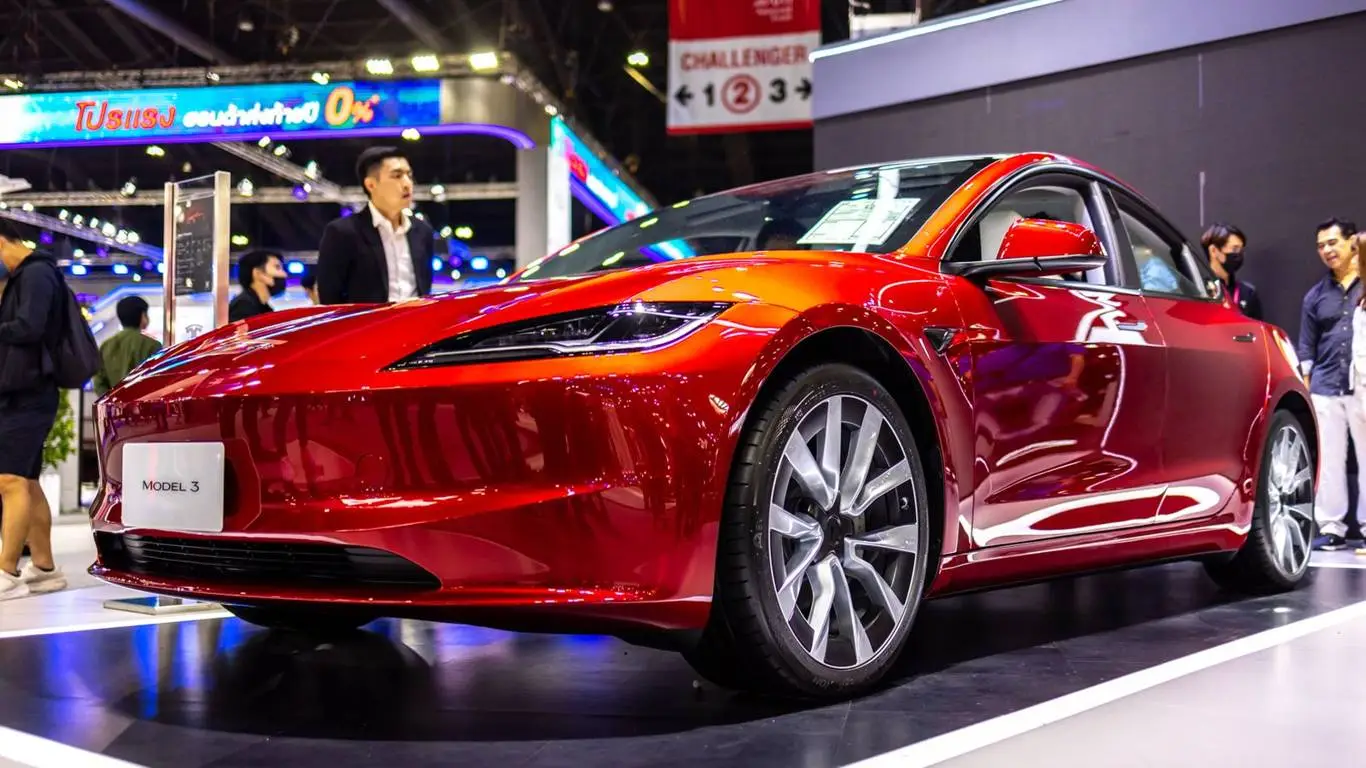
Tesla has quietly updated the Model 3 again, and the changes are significant. The most affordable rear-wheel-drive version now gets a new LFP battery from Sunwoda, which noticeably alters the car's everyday feel.
On the outside and in terms of equipment, the base Model 3 remains almost unchanged. The big news is hidden under the floor: Chinese-built cars now use a third-generation LFP pack with a usable capacity of 62.5 kWh. For buyers, the key isn't just the capacity bump, but how this battery performs during fast charging.
Early data suggests peak charging power has risen to 250 kW. The new battery also maintains a more stable charging curve, so a 10 to 80 percent charge could take around 15 minutes instead of the previous 25 minutes. For LFP chemistry, this is a serious step forward. These batteries are valued for their longevity, safety, and cost, but they often lagged in charging speed before.
Performance has improved too. The rear-wheel-drive Model 3 now accelerates from 0 to 100 km/h in 5.2 seconds, down from 6.1 seconds. That nearly one-second difference is noticeable in real driving. It doesn't turn the car into a Performance variant, but the base version no longer feels like the slowest in the lineup.
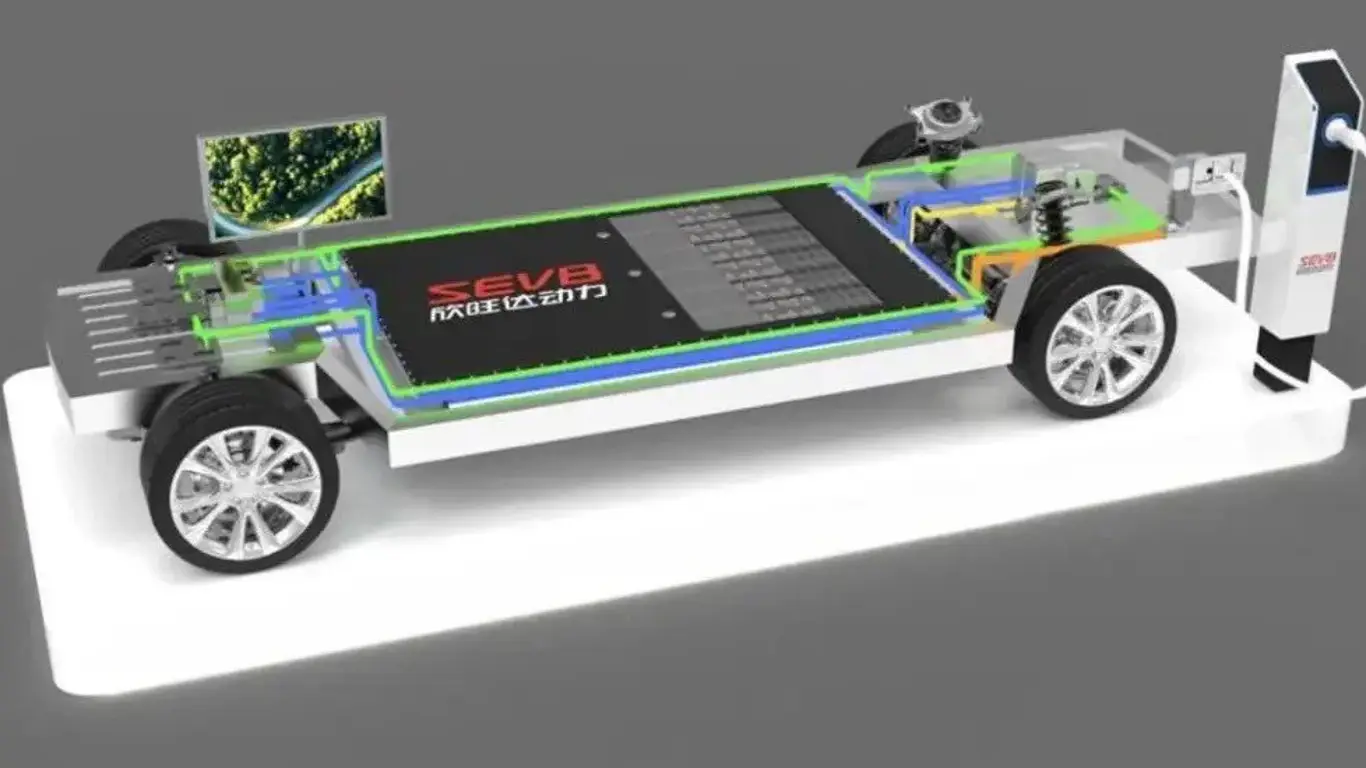
Tesla is sticking with LFP for good reasons. These batteries are cheaper, more durable, and less prone to overheating, making them ideal for the entry-level version. This keeps costs under control while improving performance without an expensive platform overhaul.
The addition of Sunwoda to the supply chain is also significant. The Chinese company becomes another major battery partner for Tesla, alongside CATL, BYD, LG, and Panasonic. For Tesla, this isn't just a technical update but a way to reduce dependence on specific suppliers and tailor batteries for different markets more efficiently.
So far, this applies to the Model 3 built in Shanghai. But there are already expectations that this battery could also reach European cars, including those from the Berlin factory. If that happens without a noticeable price increase, the base Tesla will get the most valuable upgrade: less time at the charger and less of a feeling that the buyer chose the junior version.