Shifting into reverse while moving: what automatics and manuals actually do
 A. Krivonosov
Worried about shifting into reverse while moving? Learn how modern automatics block R, what happens in manuals, and why trying it can cause costly damage.
One of the most common worries among drivers is accidentally slotting reverse while the car is moving. It conjures images of shattered gears and a car that stops dead. In practice, modern vehicles are built differently, as automotive mechanic Alexey Stepantsov told 32CARS.RU. That horror-story scenario many imagine is largely outdated in today’s mainstream cars.
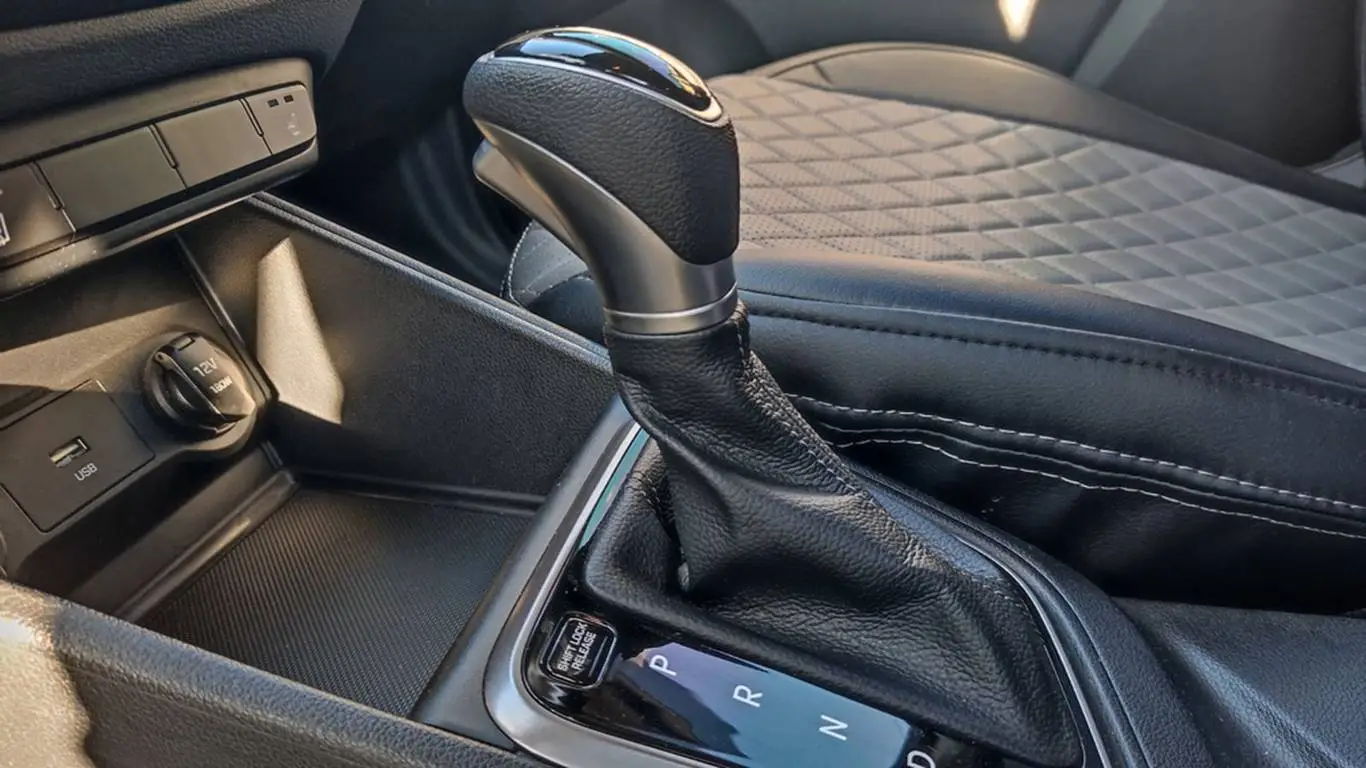
When it comes to automatics in vehicles from the 1990s onward, the transmission is usually protected. The powertrain control module (PCM) simply won’t let reverse engage on the move. A dedicated reverse inhibitor steps in: even at low speed the car won’t shift into reverse and, more often than not, it will slip into neutral, trigger the rear-view camera, and give the traffic behind a start. That brief jump to neutral is unsettling enough and leaves you coasting without drive — hardly ideal in a busy lane.
If that safeguard is faulty or the car is old, however, an attempt to select reverse can stall the engine and put critical stress on the gearbox.
Manual transmissions bring their own risks. On paper, engaging R at speed is blocked by a mechanical stop. Force it, and a harsh grind follows as opposing gears try to mesh without a synchronizer. In the best case the engine dies; in the worst, gear teeth and other transmission components take the hit. The sound alone is a warning you don’t want to hear twice.
Stepantsov noted that 2025-model cars are well protected from such missteps, but experimenting still makes little sense: repairing a transmission will cost far more than any moment of curiosity.