Tesla's lineup stagnates as BYD and other EV rivals surge
 A. Krivonosov
Tesla leans on the aging Model 3 as BYD floods the EV market with new models. Sales and profit slip in 2025 while Musk bets on robotaxis raising near term risk.
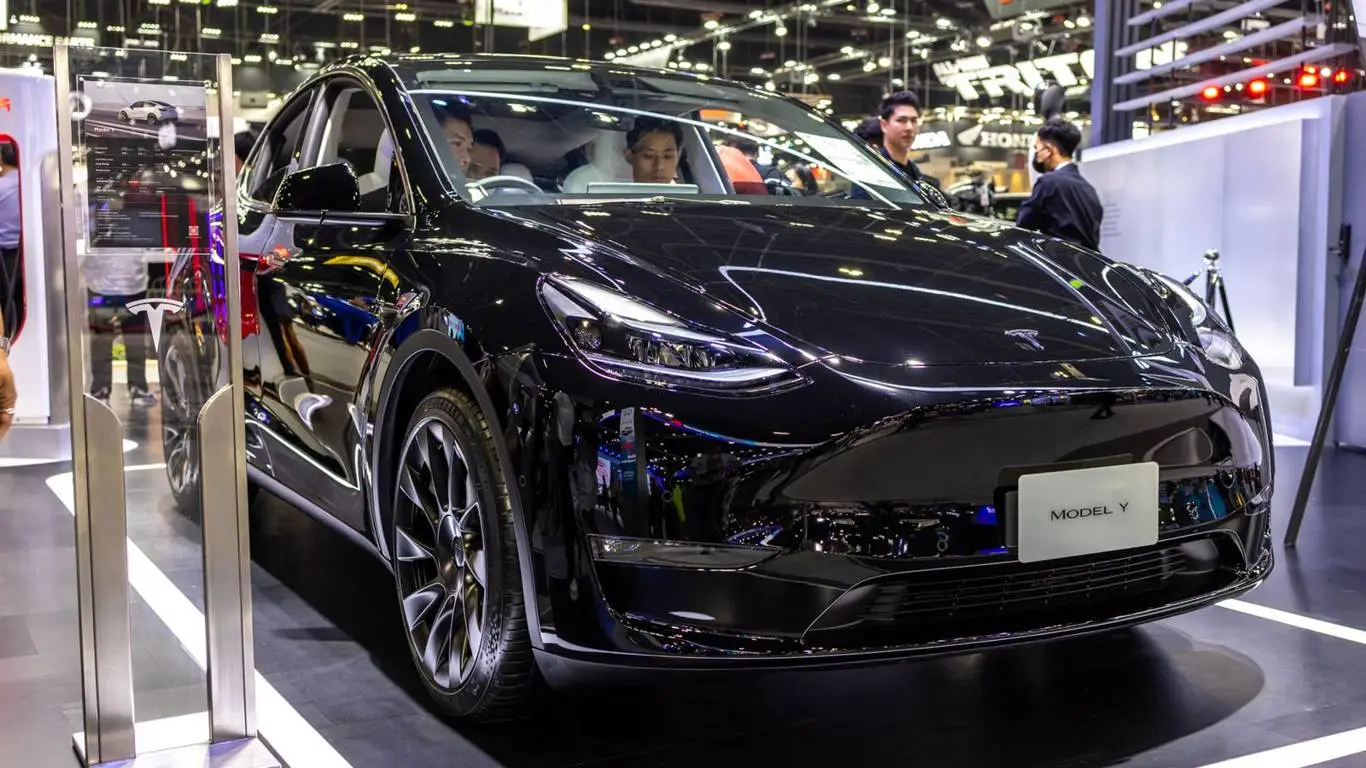
When the Tesla Model 3 debuted in 2017, it ushered in the era of mass-market EVs, turning the company into the world’s most valuable automaker and Elon Musk into the richest person on the planet. Eight years on, however, Tesla still leans almost entirely on that breakthrough.
Since then, the only new model—the Cybertruck—has fallen short of expectations: sales barely reached 16,000 units over the year instead of the hundreds of thousands Musk had counted on. The affordable $25,000 EV project has been scrapped, while the new Roadster and the refreshed Model 3 and Y amounted to little more than cosmetic tweaks.
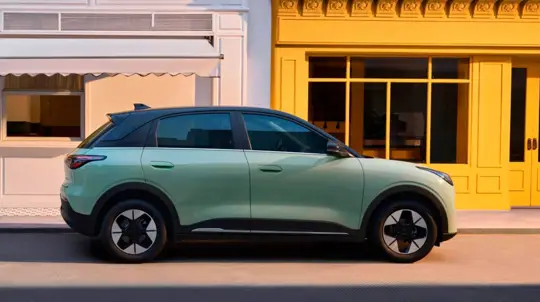
Meanwhile, rivals—above all BYD—have compressed development cycles to as little as two years and are covering every slice of the market with dozens of fresh models. Tesla, by contrast, has launched just six vehicles in 17 years, most of them long-familiar faces. Against that backdrop, the lineup feels static, giving even loyal owners fewer reasons to trade up.
Experts warn that without regular updates, buyer interest fades. Over the first three quarters of 2025, Tesla’s sales fell 6%, and profit dropped 37% amid tariffs, rising costs, and lower income from regulatory credits. The numbers underline how quickly momentum can slip in a fast-moving market.
Musk is now pinning hopes on robotaxis and humanoid robots, while the car business gets less attention. Analysts argue that without new models, Tesla risks following the path of brands that once seemed untouchable. In the near term, staking so much on far-off bets only raises the stakes; a steadier cadence of compelling cars would shore up the core.