Why the Affordable Convertible Is Becoming a Thing of the Past
 A. Krivonosov
Once within reach, convertibles are now exclusive. See why affordable open-top cars like Miata are vanishing and what the market's luxury shift means.
For decades, the convertible was never the rational choice—it was a deeply human one. You didn't buy it for cargo space, ground clearance, or family-friendly practicality. You bought it for the sky above you. Today, that elemental automotive joy is increasingly becoming a pleasure reserved for those who pay not for freedom, but for status.
The issue isn't that drivers have suddenly fallen out of love with open cars. The market has simply changed. In the US, pickups and crossovers dominate the sales charts, with models like the Toyota RAV4 far outselling sedans. Many buyers also opt for a larger footprint partly because it feels safer. When a heavy GMC Sierra EV Denali is driving nearby, a small hatchback or roadster no longer seems as reassuring for everyday use.
Automakers follow the sales data, not emotional appeal. When shoppers flock to the Bronco, Tiguan, X3, or any big crossover, factories produce more of them. Station wagons, minivans, hatchbacks, and convertibles are retreating into a niche where volumes are tiny, yet the costs for safety systems, body stiffness, and roof engineering remain high.
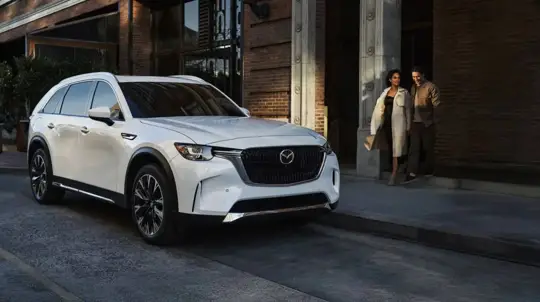
Under $50,000, an ordinary buyer's open-car choices have dwindled to almost symbolic numbers. The Mazda MX-5 remains the most honest option: a lightweight roadster with a soft top or power-folding hardtop, a celebrated heritage, and a price around $40,000 depending on trim. The Ford Mustang Convertible is technically still in the game, but it now feels less like an attainable dream and more like a rental-fleet regular in Florida. The Mini Cooper Convertible looks cheerful, but to avoid appearing too basic you'll need to add options, and the JCW version starts at roughly $45,000 before taxes and fees.
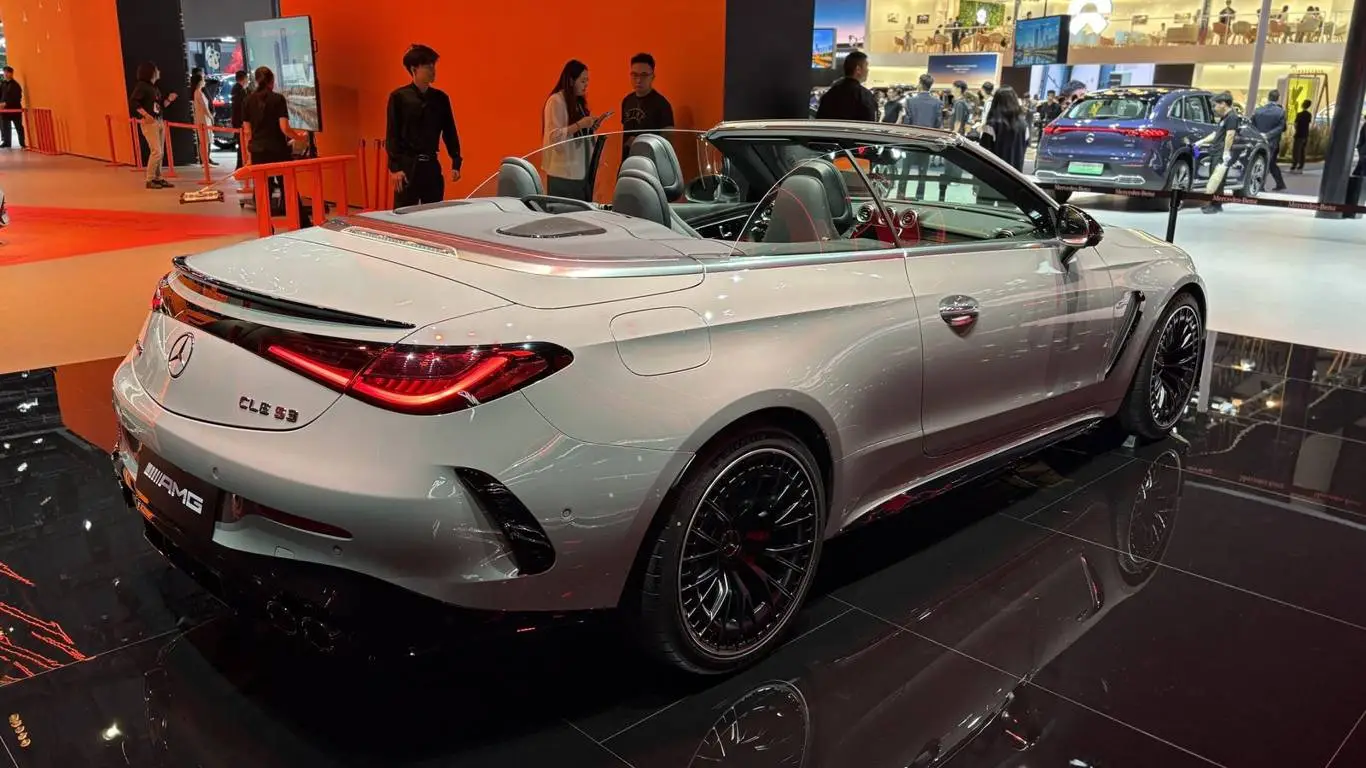
Beyond that, it's an entirely different conversation. The BMW 4 Series Convertible starts at $61,300. The Mercedes-Benz CLE Cabriolet costs almost $7,000 more, and the SL Roadster soars well past $112,000. The Chevrolet Corvette Convertible opens at $72,500. Lexus is already phasing out the LC Convertible—production ends in August—and that car, too, occupied six-figure territory.
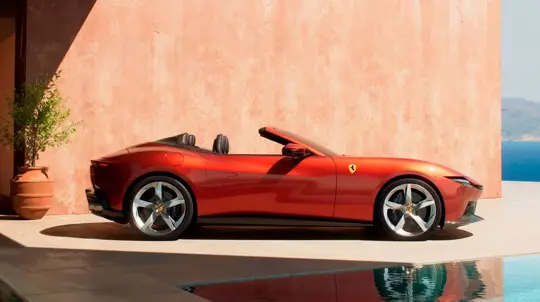
Once you cross $100,000, open-top motoring becomes plentiful again. Porsche's 992.2-generation 911 lineup includes ten convertible variants, though the most accessible one stickers around $150,000 before taxes and fees. Aston Martin fields several sumptuous open-top models, but keeping the price under $200,000 is a genuine challenge. The Bentley Continental GT Convertible, along with limited-run McLarens and Ferraris, aren't about wind-in-your-hair summer drives—they're about filling a collector's garage.
The paradox is that pricey convertibles often depreciate quickly, but automakers still find it more profitable to position these models at the high end. Margins are fatter, there are fewer customers, yet each order delivers more money. Meanwhile, developing an affordable convertible now has to compete for investment against electric vehicles, hybrids, battery technology, advanced safety systems, and all the equipment a new car must have before it can even reach the market.
Tesla has been promising a second-generation Roadster for years, but instead unveiled a two-door robotaxi resembling a shortened Model 3. BMW discontinued the Z4, Porsche retired the 718 Boxster, and Lexus is bidding farewell to the LC Convertible. On paper, these are just product-plan adjustments. For drivers, it's the disappearance of an entire class of cars bought with the heart, not a calculator.
The convertible hasn't died. It has simply relocated to a place where the pleasure is increasingly paid for not as a car, but as a privilege.