Tesla Basecharger: 125 kW Depot Fast Charger for the Semi
 A. Krivonosov
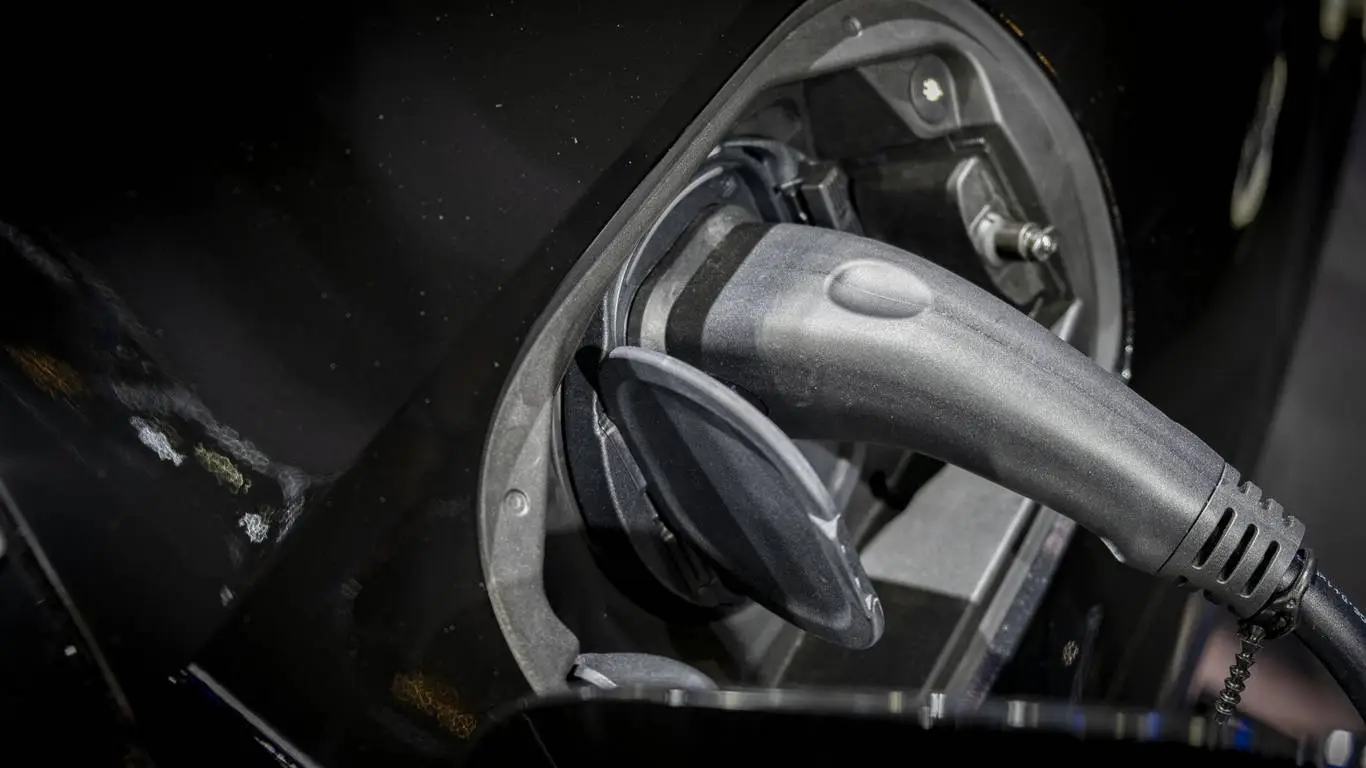
Tesla's Basecharger: a 125 kW fast charger for the Semi electric truck, for overnight depot charging. All-in-one design, links up to 3 units. Available 2027.
Tesla has unveiled the Basecharger, a new DC fast charger built specifically for the Semi electric truck. While it resembles the V4 Supercharger used by passenger EVs on the outside, the internals are quite different, and it’s meant for long, slow charging at fleet depots rather than quick roadside top-ups.
With a peak output of 125 kW, the Basecharger won’t break any records in the passenger EV world. But for a heavy truck, it essentially serves as a ‘home charger.’ Tesla claims that a Semi can reach 60% charge in about four hours. In other words, this isn’t for rapid intermediate recharging; it’s designed for overnight stops or extended layovers at the depot.

A key technical highlight is the all-in-one design. Standard Superchargers require an external power cabinet to convert AC to DC. Tesla did away with that bulky component in the Basecharger. As Max de Zegher, Tesla’s director of charging for North America, explains, the unit houses one of the 16 power modules from a V4 Supercharger cabinet. This simplification should make installation quicker and the overall footprint smaller.
Fleets get an additional benefit: up to three Basechargers can be linked together on one circuit, sharing 125 kVA. In practice, this matters more than headline power numbers, because building charging infrastructure for trucks is a costly endeavor. Cables, switchgear, permits, grid upgrades, and vehicle downtime all add up. When installation is simpler and cheaper, it’s easier for fleet operators to make the jump to electric trucks.
Pricing starts at $20,000 per unit, though Tesla mandates a minimum order of two. Installation costs come on top. The charger outputs up to 150 A DC, covers a voltage range of 180–1000 V, and ships with a 6-meter cable—double the length of a typical Supercharger cable. That’s not a minor detail for a truck, where the cab, trailer, parking arrangement, and charge port position can turn a short cord into a serious problem.

There is, however, a notable limitation: the Basecharger currently comes only with an MCS plug. That makes perfect sense for fleets running Tesla Semis, but it means trucks equipped with CCS connectors are locked out. For now, the Basecharger serves more to reinforce Tesla’s own ecosystem than to become a universal charging solution for all heavy electric trucks.
Within Tesla’s truck-charging family, the Basecharger slots in below the Megacharger. That 1.2 MW unit can get a Semi to 60% in roughly 30 minutes, but it’s more complex and costly. The Basecharger is built for a different rhythm: not maximum speed, but steady overnight charging with a lighter infrastructure burden.
Basecharger deliveries are slated to start in early 2027. If Tesla truly scales up Semi output, this charger may end up being just as crucial as the truck itself. After all, without a straightforward depot charging solution, an electric semi is little more than a showpiece, not a genuine working tool for carriers.