ADAC compares BMW Highway Assistant (Level 2+) and Mercedes Drive Pilot (Level 3) on the autobahn
 A. Krivonosov
ADAC pits BMW Highway Assistant (Level 2+) against Mercedes Drive Pilot (Level 3) on the autobahn, comparing real-world limits, speeds, uptime, and liability.
ADAC has run a head-to-head on the autobahn between two modern driver assistance systems: BMW’s Highway Assistant (Level 2+) and Mercedes-Benz’s Drive Pilot (Level 3). While both can keep the car centered, hold distance, and regulate speed, their real-world scope differs markedly, and the biggest split is who carries the legal burden.
BMW’s Highway Assistant can change lanes on its own to overtake and operates at speeds up to 130 km/h. The driver may take hands off the wheel, but can’t switch off mentally: the system watches for attention, and any accident remains the human’s responsibility.
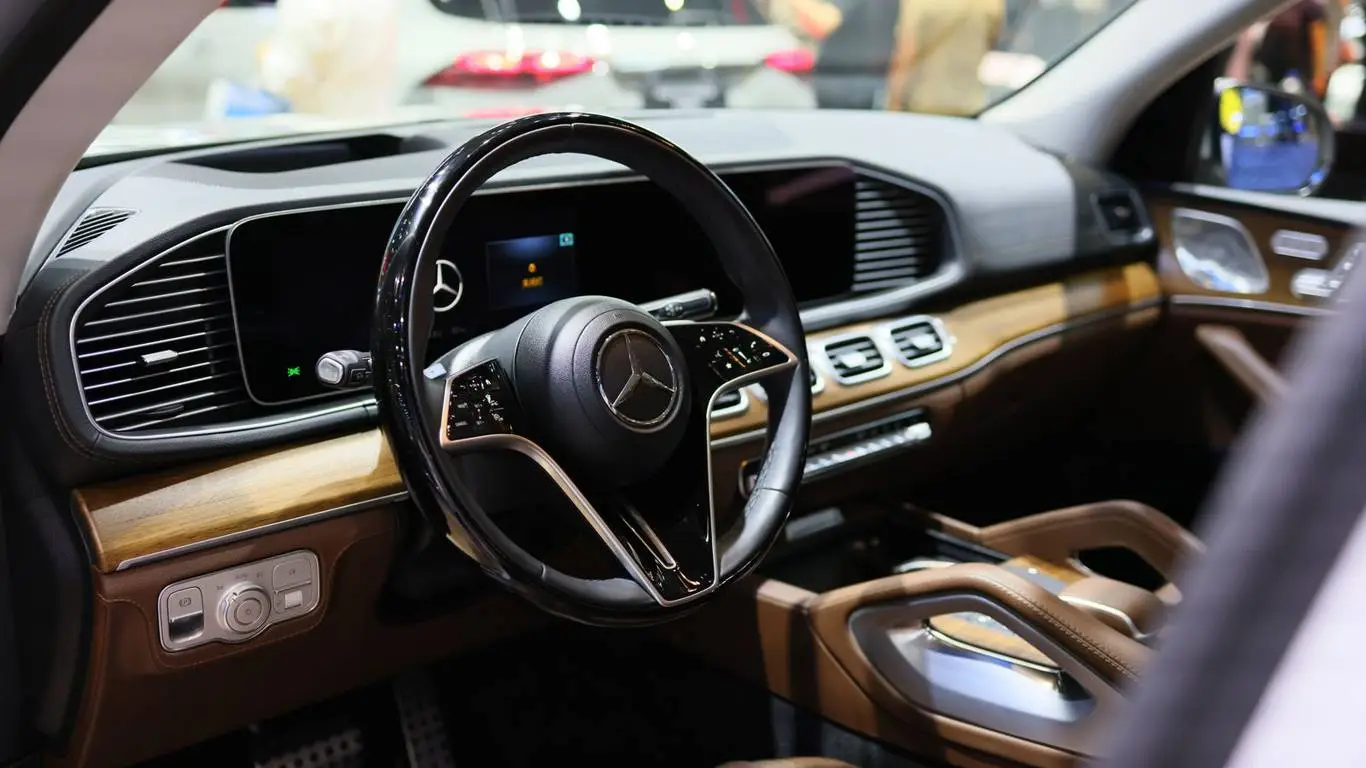
Mercedes’ Drive Pilot, as a Level 3 setup, lets the driver focus on secondary tasks—say, typing a message. Yet it only works up to 95 km/h, needs a lead vehicle, and often disengages. Tunnels, rain, or dusk render it unavailable. The logic is legal: if something goes wrong, the manufacturer takes the blame.
On a test route from Penzing to Memmingen Airport, experts noted that the two feel similar at the wheel, but functionally the BMW is less constrained, whereas Drive Pilot plays it safe and stays within narrow limits. In everyday autobahn traffic, that tighter operating window makes the Mercedes system come across as a cautious companion, while the BMW setup aligns more naturally with the flow—as long as the driver stays mentally in charge. ADAC underlines that truly autonomous driving is still a future chapter; for now, relaxing behind the wheel is premature.