Hyundai Ioniq Venus and Earth: Two Futuristic EV Concepts for China
 D.Novikov для 32CARS.RU
Hyundai unveiled the Ioniq Venus sedan and Ioniq Earth crossover concepts at Beijing Auto Show 2026. These bold EVs mark Hyundai's push to strengthen its presence in China's competitive electric car market.
At the Beijing Auto Show, 32CARS journalists captured Hyundai's two unusual concepts: the Ioniq Venus electric sedan and the Ioniq Earth crossover. These prototypes represent more than just a design experiment: Hyundai is showing what it envisions for its EV lineup in China, where the brand's presence in the electric segment has been limited and not particularly strong.
The first prototype is called Venus, and the second is Earth. This naming logic is intentional: future Ioniq EVs for the Chinese market will be named after planets, turning the lineup into a distinct local ecosystem.
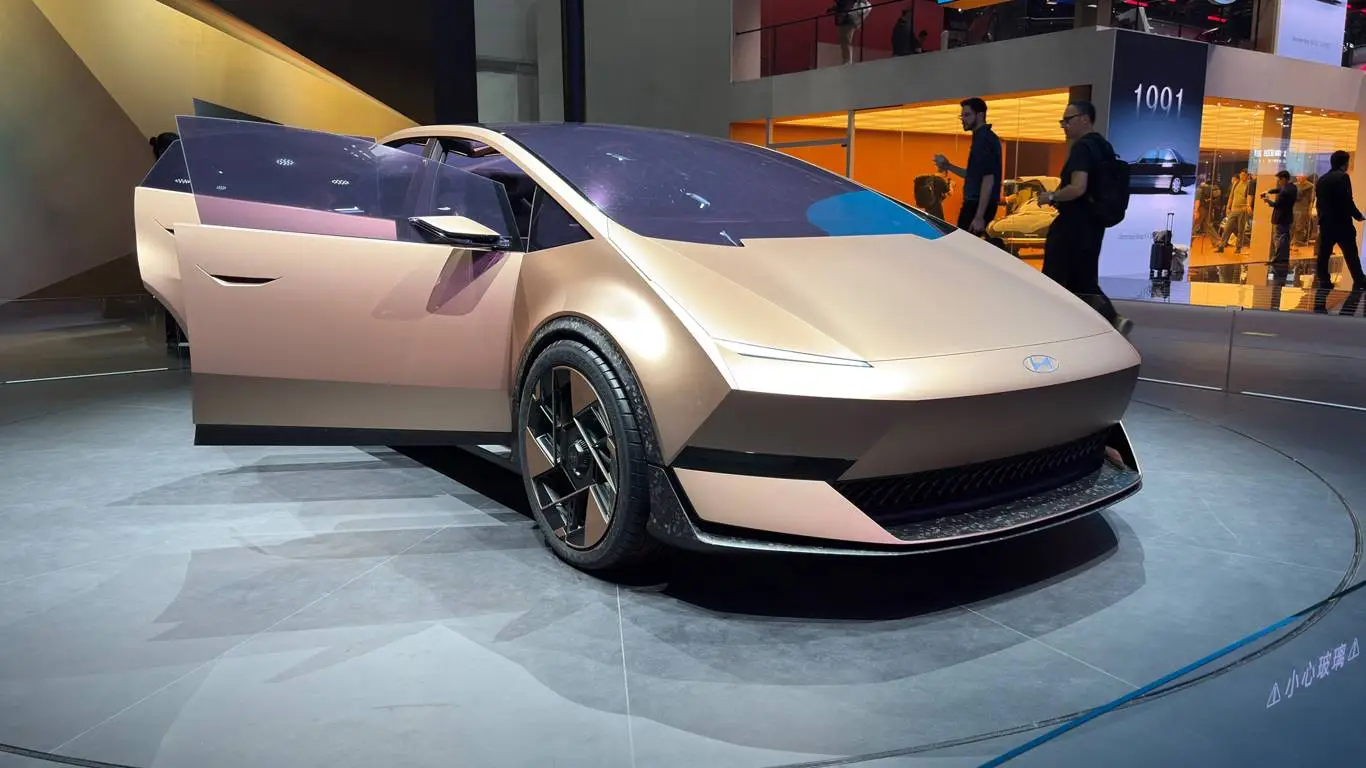
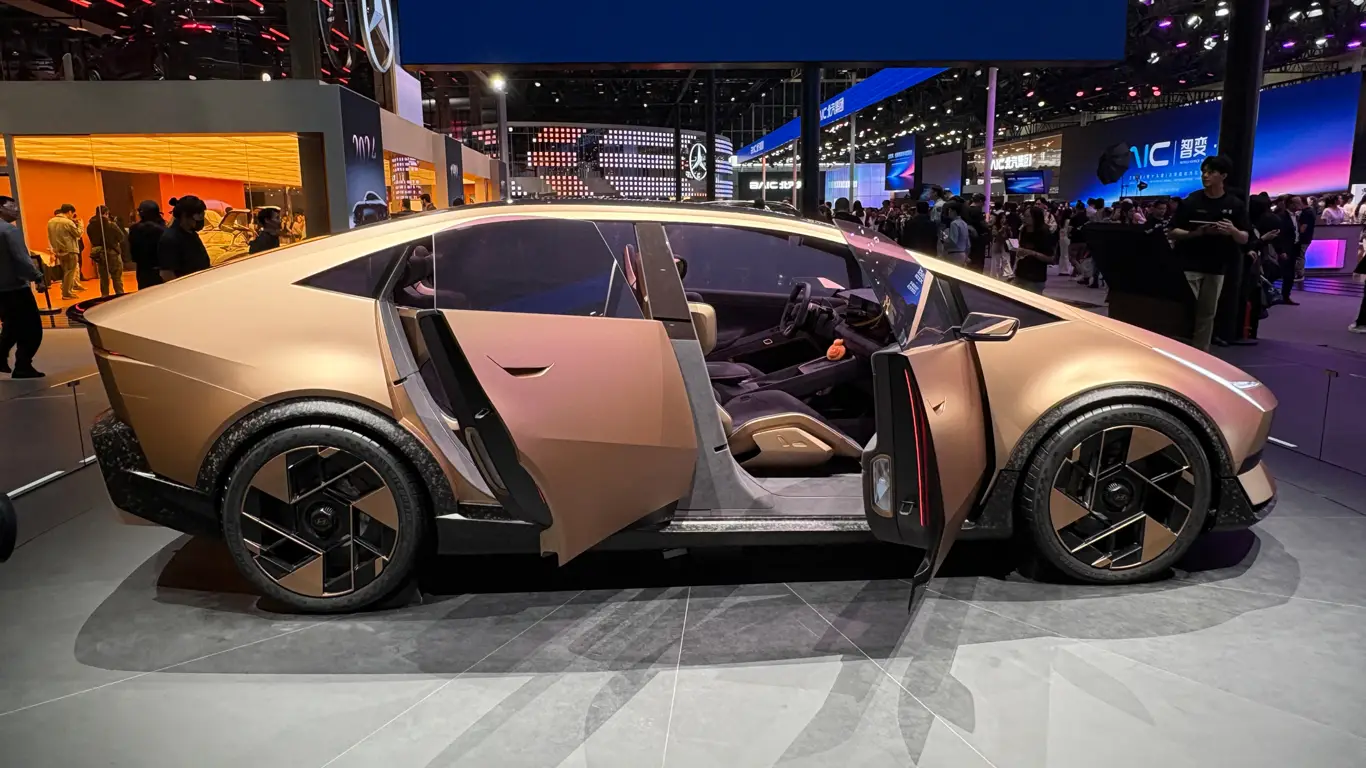
According to 32CARS journalists at Auto China 2026, the Venus looks like a low, sleek liftback, though it is officially an electric sedan. It features a wedge-shaped front end, very narrow LED lights, an almost smooth nose, large wheels, and a panoramic roof. Visually, it is one of the most radical Hyundais in recent years, resembling a sci-fi show car more than a pre-production sedan.
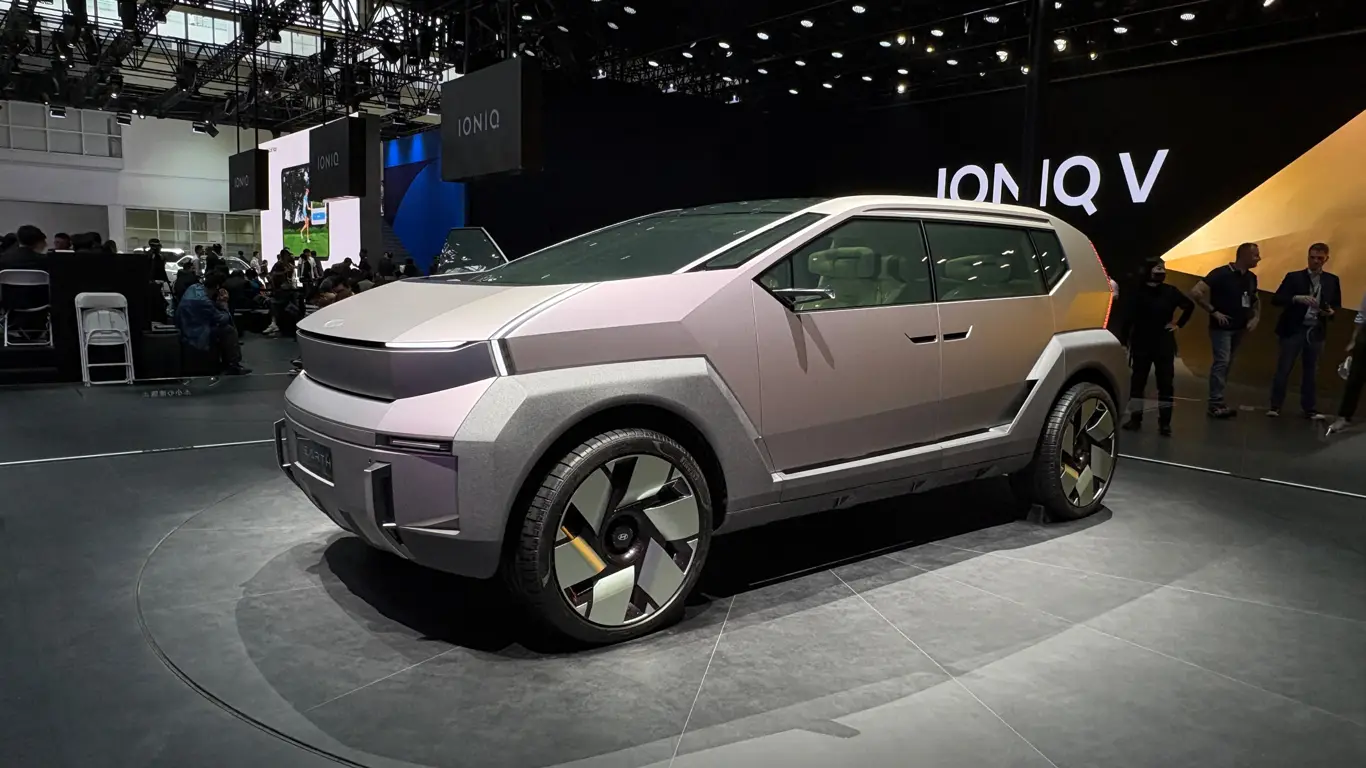
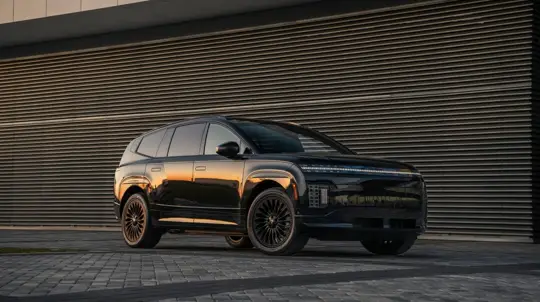
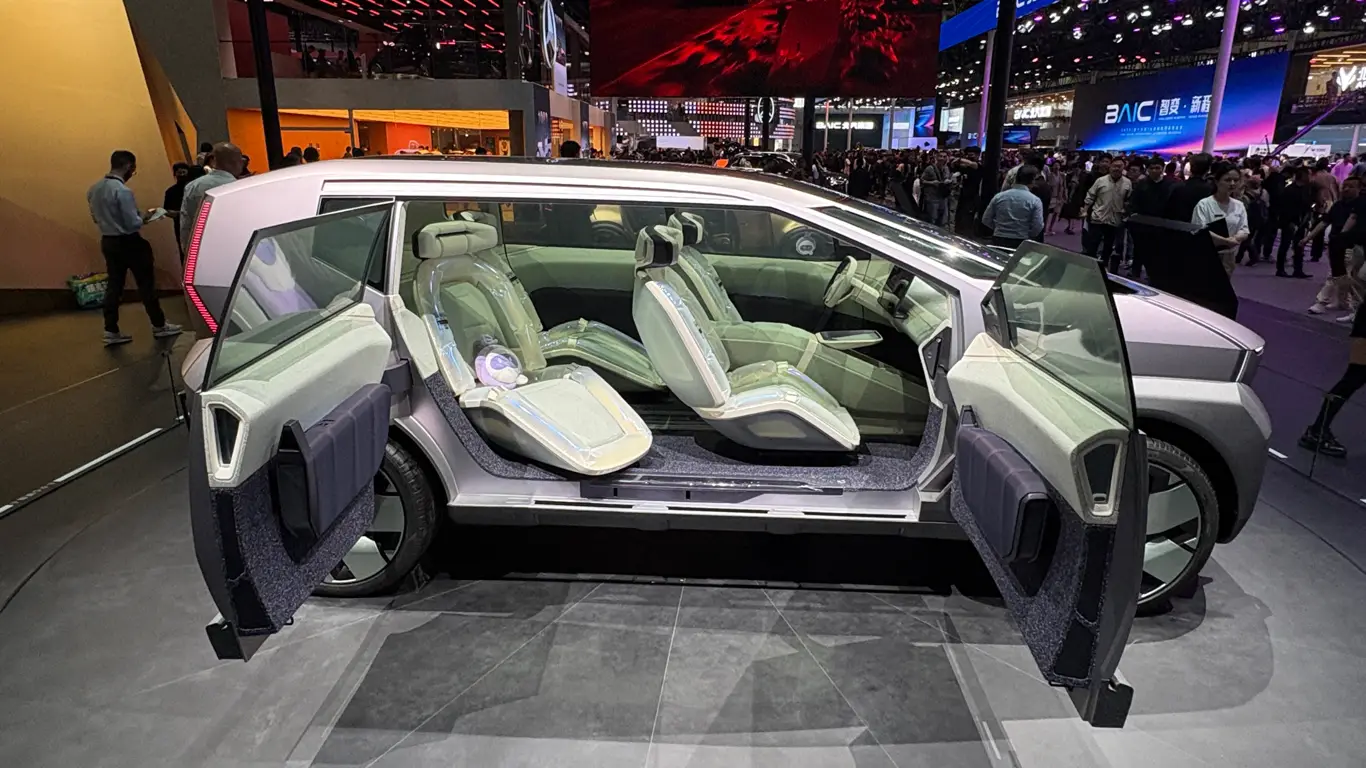
The second concept, the Hyundai Ioniq Earth, follows a completely different logic. It is an electric crossover with chiseled shapes, flat body panels, a protective lower trim around the perimeter, and vertical rear lighting. Photos clearly show it is more utilitarian and family-oriented, yet still futuristic.
The Earth's main visual feature is its suicide doors, including barn-door rear openings. Inside, there are separate seats with almost lounge-like positions, a wide opening without the usual B-pillar, and light-colored trim. The thick front pillars have narrow transparent inserts, which should improve visibility while underscoring the concept's experimental nature.
For Hyundai, these prototypes are just as important as production models. The Chinese EV market has long set the pace globally: local brands rapidly update models, aggressively use AI, large screens, unusual body styles, and competitive pricing. In this context, the standard Ioniq 5 N hatchback is clearly not enough for a strong presence.
The Hyundai Venus and Earth are not just show cars for flashy photos. For the Korean brand, this is an attempt to reassert itself in China's EV segment, where the winners today are not cautious updates but bold design, local adaptation, and high-tech presentation. If the production Ioniq models retain even some of these concepts' features, Hyundai could re-enter the Chinese market narrative not as a follower, but as a brand with its own visual identity.