EU electric vehicle policies face safety criticism from Euro NCAP
 A. Krivonosov
Euro NCAP criticizes EU electric vehicle support for ignoring safety, with EVs at 28% market share. Learn about safety incentives and upcoming 2027 GSRII standards.
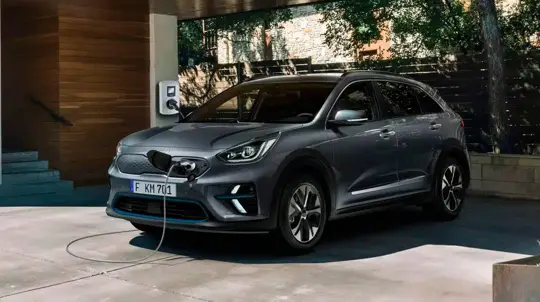
European electric vehicle support policies are once again facing criticism. This time, the criticism comes from Euro NCAP, the organization responsible for assessing vehicle safety. Its head, Michiel van Ratingen, stated directly that governments are actively subsidizing the transition to electric cars but are completely ignoring safety concerns.
Today, electric vehicles already account for over 28% of the European market, a result of generous incentives and support programs. However, experts suggest similar measures could be directed toward encouraging the purchase of safer cars—for example, models with top crash-test ratings. The problem is that safety still hasn't become a financial motivator.
Buyers focus on price and technology rather than protection levels. Meanwhile, modern driver assistance systems and reinforced body structures can genuinely reduce the risk of injuries and fatalities on the roads. Interestingly, automakers themselves once doubted Euro NCAP's requirements, considering them too strict. But by the late 1990s, the first mass-market models with top ratings emerged, proving that safety could become a standard rather than an option.
New regulations are on the horizon. Starting in 2027, stricter GSRII safety standards will take effect in Europe, requiring manufacturers to implement additional protective systems. This will inevitably affect vehicle costs, raising the question once more: which car is better to choose—cheap or safe?
The market has already shown that subsidies can quickly change buyer behavior. If similar measures were applied to safety, the vehicle fleet would update not only to be more eco-friendly but also safer. In the end, everyone would benefit—both drivers and passengers.