Tesla developing compact electric SUV as most affordable model yet
 A. Krivonosov
Tesla is working on a compact electric SUV, its cheapest model, with production in Shanghai and potential for autonomous versions. Learn about specs and market strategy.
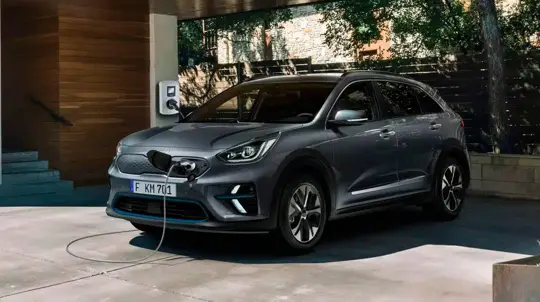
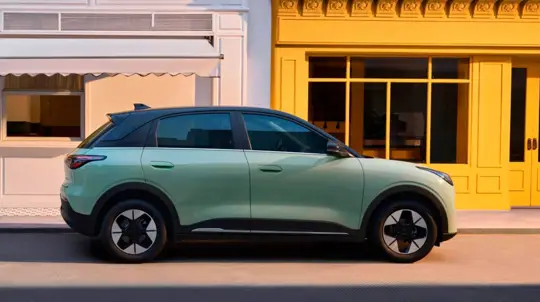
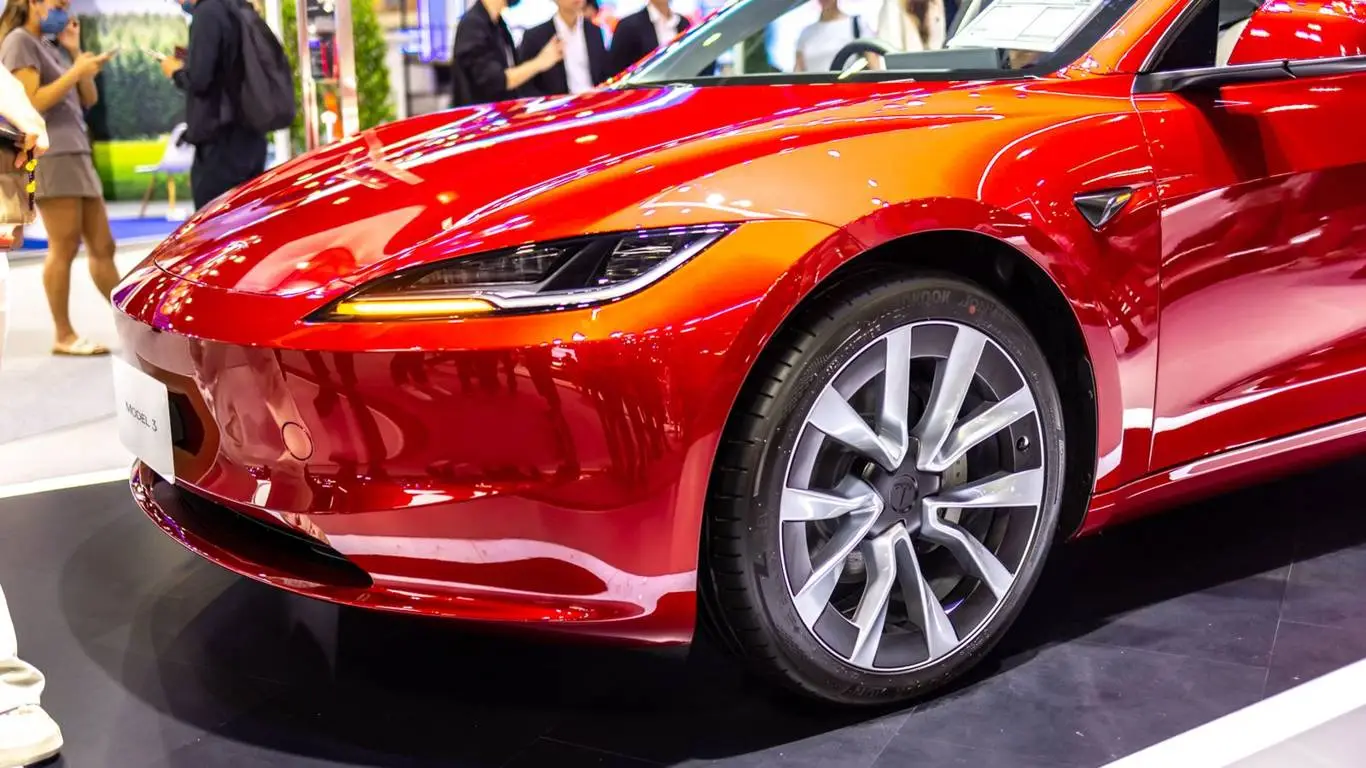
Tesla is developing a new compact electric SUV that will be its most affordable model yet. According to Reuters, the vehicle will measure about 4.28 meters in length, making it significantly smaller than the Model Y and cheaper than the base Model 3, which starts at $34,000–37,000.
The project is still in its early stages, but Tesla has already begun discussions with suppliers about key components and production processes. The car is expected to feature a more compact battery and a single electric motor, which should help reduce both price and weight to around 1.5 tons. Production is slated to begin at Tesla's Shanghai plant in China, with potential expansion to the United States and Europe later on.
This new model won't be a variation of the Model 3 or Model Y—it's a distinct product. However, Tesla is considering a versatile architecture that would allow the vehicle to be produced with either traditional driver controls or, in the future, as a fully autonomous version. This flexibility matters because it would let Tesla adapt the car to different markets, where the adoption of self-driving technology is progressing at varying speeds.
The development signals a partial return to the mass market for Tesla, following the cancellation of the low-cost Model 2 project in 2024. At that time, the company shifted its focus toward robotaxis and autonomous technology. But with demand for electric vehicles softening and competition intensifying, especially in China, Tesla now appears to be seeking a balance between affordable models and its autonomous future.
If Tesla truly commits to producing a mass-market electric car, this compact SUV could become a crucial product for the company. However, given past delays and canceled projects, the final decision on launching it remains uncertain.