EU new safety standards may block US full-size pickups from market
 A. Krivonosov
Learn how EU safety rules could restrict US pickups like Ford F-150, Chevrolet Silverado, and Ram 1500, impacting trade and market dynamics.
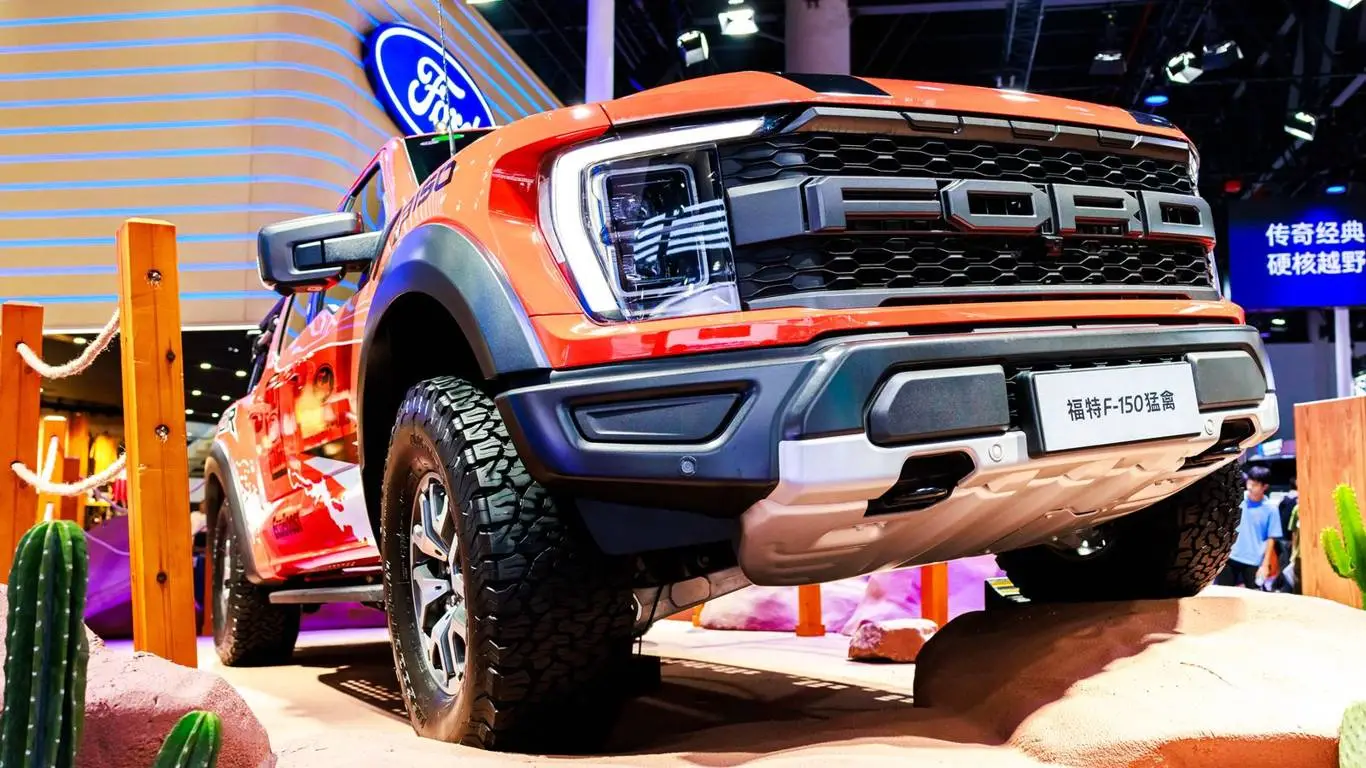
American automakers have accused the European Union of effectively blocking full-size pickups, including the Ford F-150, Chevrolet Silverado, and Ram 1500, from the European market. This comes as Brussels plans to tighten safety standards that could restrict such vehicles from public roads. This matters because it involves a profitable segment and a potential trade conflict between the U.S. and the EU.
New EU Rules and U.S. Reaction
According to the Financial Times, the European Union is considering changes to safety requirements that would complicate certification for large vehicles with substantial dimensions. The American side believes these measures could disrupt the balance of trade agreements and create artificial barriers for U.S. manufacturers. U.S. Ambassador to the EU Andrew Puzder stated directly that the new standards could exclude some models from the European market if they aren't adapted to meet the updated requirements.
Why Pickups Don't Fit European Standards
Full-size pickups from the U.S. differ significantly from European cars in size and construction. For instance, the Ford F-150 and Ram 1500 exceed 5.5 to 6 meters in length and are equipped with large V6 and V8 engines up to 5.0 liters, impacting safety and environmental performance. European standards, including pedestrian protection rules and emission limits, make adapting such models difficult and economically unviable for manufacturers.
What This Means for the Market and Other Countries
Europe remains a niche but strategically important market for American pickups, especially in commercial and image-focused segments. Potential restrictions could strengthen local brands and reduce U.S. presence in this segment, redistributing demand within the region. For Russia and neighboring markets, this has indirect significance, as such regulatory decisions often set global trends and affect the availability of imported models.
Conclusion
This pickup saga shows that competition in the auto market is increasingly shaped not just by technology but also by regulations. The EU uses safety as a regulatory tool, while the U.S. sees it as hidden trade restrictions. If the rules are indeed tightened, it could alter the global balance in the large vehicle segment and set a new standard for other markets.