Cars that are difficult for tall drivers: a detailed guide
 subaru.asia
Discover 12 popular vehicles that pose challenges for tall drivers, including space limitations and comfort issues. Learn which models to avoid for better driving comfort.
Tall drivers often face challenges when choosing a car. Limited space and interior proportions that don't fit can make some models downright uncomfortable for those above average height. Here is a detailed look at 12 popular vehicles that create difficulties specifically for taller drivers.
Kia K4
Kia introduced the new K4 model in 2025, replacing the previous Forte. The K4 is a compact sedan and one of the brand's most affordable offerings. Despite its accessible price, this model is notably small, which causes certain issues for taller drivers.
The cabin dimensions are as follows:
Front legroom: 107.4 cm (42.3 inches)
Rear legroom: 96.5 cm (38 inches)
While these numbers aren't catastrophic, the main challenge involves thigh support. The K4 lacks sufficient support, forcing taller drivers to slide their seat all the way back. Even with standard tilt and telescopic steering wheel adjustment, achieving a comfortable position for arms and legs can be tricky for a larger frame. Another common complaint is the relatively low roofline, which creates additional constraints for especially tall drivers.
Some users note there's enough headroom and legroom, but the seats could be more comfortable. Certain owners mention having to increase the steering wheel's tilt angle to see the instrument panel properly.
Buick Encore GX
The Encore GX is one of Buick's smaller models, technically similar to the Chevrolet Trax. They share an engine but differ in size. While the Trax offers more legroom, the GX wins on headroom. Overall, the cabin provides the following space:
Front seat legroom: 103.9 cm (40.9 inches)
Second-row legroom: 91.4 cm (36 inches)
This car demonstrates a characteristic common to many models in this segment: it might fit one person perfectly while feeling cramped to another. It all comes down to individual proportions. For instance, someone around 193 cm (6 feet 4 inches) might find it a good fit, while a person just a couple of centimeters taller could experience significant discomfort. Another key factor is having long legs, which may require excessive seat adjustment forward or back, reducing space for second-row passengers.
In summary, the model isn't definitively bad for tall people, but testing comfort personally is still advisable.
Honda Civic
The Honda Civic is an ideal representative of the budget sedan segment, combining excellent performance with high fuel efficiency. Even as a compact car, it offers reasonable comfort and affordability. The main measurements look like this:
Front legroom: 107.4 cm (42.3 inches)
Rear seat legroom: 95 cm (37.4 inches)
These figures allow most people over 183 cm to find a comfortable driving position. However, many tall drivers report that on longer trips, they have to push the seat far back, rendering the rear row practically useless. Owners emphasize the importance of avoiding a panoramic sunroof, as it reduces headroom by about two inches (~5 cm). Additionally, some believe the steering column adjustment mechanism has limited reach, adding discomfort for certain drivers.
Thus, the Civic works well for tall drivers, but only if you opt for the base trim without a glass roof and are willing to sacrifice space for one rear passenger.
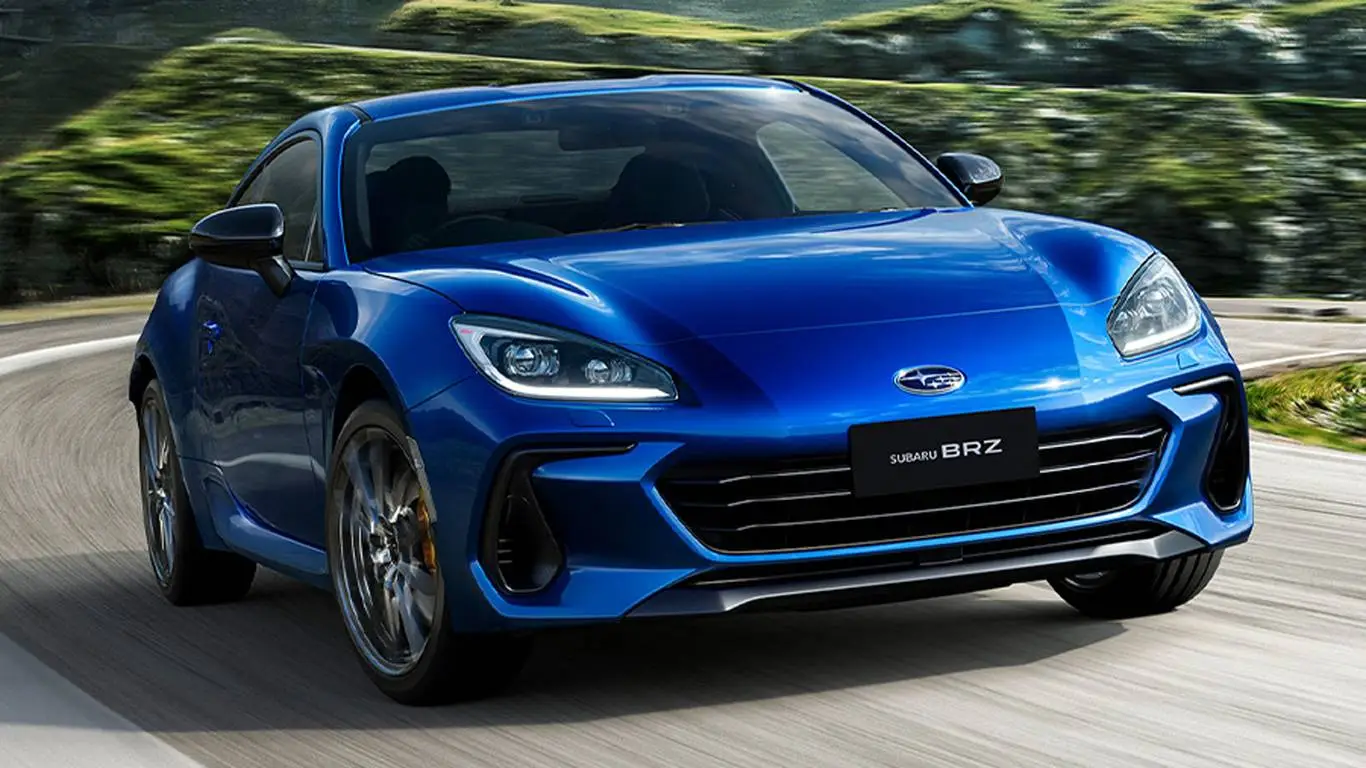
Subaru BRZ
The Subaru BRZ is a standout sports coupe offering an exhilarating driving experience on winding roads. This model competes with the Mazda Miata and is renowned for its light weight, keeping company with popular models like the Honda Civic. Inside, the BRZ feels genuinely tight:
Legroom: 105.4 cm (41.5 inches)
Rear row: 75.9 cm (29.9 inches), effectively unsuitable for adult passengers.
The rear cabin is cramped on its own, and tall drivers often need to slide the seat farther than usual, making the second row completely unusable. Moreover, BRZ owners state that the overall compactness makes them feel squeezed in. At heights over 196 cm, significant comfort issues are likely, even with the seat perfectly positioned.
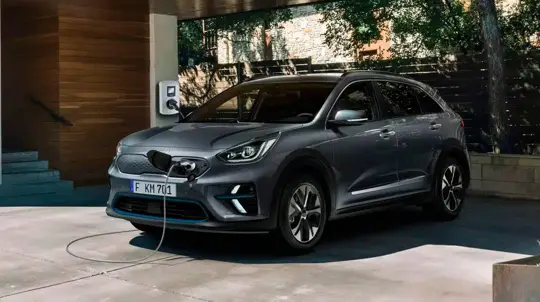
Nissan Leaf
The Nissan Leaf is a small electric vehicle that has evolved with new generations. Thanks to an increased battery capacity and support for Tesla Supercharger stations, the latest version has become more appealing to potential buyers. The cabin size is as follows:
Front seat legroom: 107.7 cm (42.4 inches)
Rear seat legroom: 80.8 cm (31.8 inches)
While the latest Leaf is more accommodating for tall drivers compared to its predecessor, nuances remain. First, notable blind spots on the right side compromise driving safety. Many drivers admit to leaning closer to the window to see hidden objects. Next, the mirrors are placed unusually low, complicating parking. Finally, the short distance between the front and rear seatbacks forces Leaf owners to sacrifice rear passenger comfort, especially if the front driver needs to sit farther from the steering wheel.
Mazda Miata MX-5
According to Consumer Reports, the Mazda Miata MX-5 is considered the worst car for tall drivers. The reason is obvious: the roadster was originally designed for smaller dimensions, and a tall frame simply doesn't fit. The Miata barely meets standard safety metrics for this body type, reflected in its measurements:
Cabin height: 95 cm (37.4 inches)
No rear passenger seats exist.
The Miata's main issue is minimal legroom. Taller passengers simply can't recline far enough to ensure comfort on the road. Only owners of smaller stature feel cozy in such a car. But if your height approaches 193 cm, the chance of a comfortable ride drops to near zero.
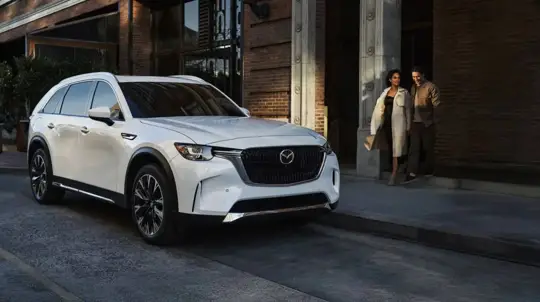
Toyota Corolla Cross
The Corolla Cross is positioned as a family crossover with moderate dimensions. The manufacturer managed to create a vehicle with excellent fuel efficiency and a comfortable cabin, though it lacks the premium feel and dynamics of a sports car. The interior appears reasonably spacious:
Front legroom: 108.9 cm (42.9 inches)
Rear legroom: 81.3 cm (32 inches).
However, the reality is simple: the taller you are, the farther you'll need to move the seat, sacrificing comfort for rear passengers. According to reports, tall drivers around 193 cm claim they felt comfortable, though they strongly recommended avoiding a panoramic sunroof to preserve maximum headroom. Additional options to improve the situation include installing a manually adjustable seat, which allows changing the tilt angle and increasing free headspace.
Toyota GR Supra
The GR Supra is a sports coupe developed by Toyota, aimed at driving and speed enthusiasts. It resembles competitor designs like the Subaru BRZ and Mazda Miata, so it's no surprise such cars end up on the list of unpleasant surprises for tall drivers. The Supra's dimensions:
Cabin height: 97.3 cm (38.3 inches)
No rear row, meaning no space for rear passengers.
The Supra isn't considered an ideal choice for tall drivers. There are examples of owners over 196 cm who manage fine, but most agree that driving such a small car is a real challenge. The most frequent complaints involve discomfort in the knees and hips due to seat shape, along with difficulties getting in and out. Nevertheless, with the right vehicle parameters—like seat form and adjustment—the situation can become tolerable.
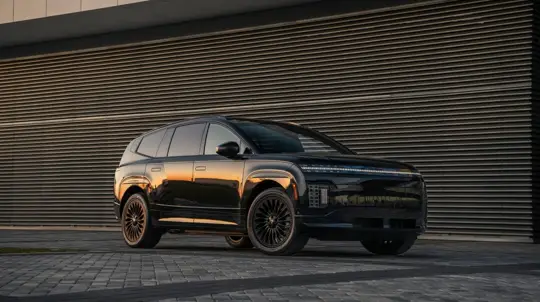
Lucid Air
The Lucid Air stands out with its premium class and electric powertrain. The price starts at a substantial $250,000, comparable to a small house in some American regions. This price tag justifies expectations for performance, material quality, and comfort. Importantly, the car's interior volume is sufficient for most people of average height, excluding perhaps professional basketball players.
Front seat legroom: 115.3 cm (45.4 inches)
Rear seat legroom: 96 cm (37.8 inches)
However, tall drivers face practicality issues. The problem lies in the door design and body shape. The door openings are low, making entry and exit harder than in comparable vehicles. The difference is especially noticeable next to the electric Rivian R1T pickup, which has wider doors and easier access. The second common complaint involves windshield quality. Above a certain height, it can cause irritation, hindering normal visibility and distracting the driver.
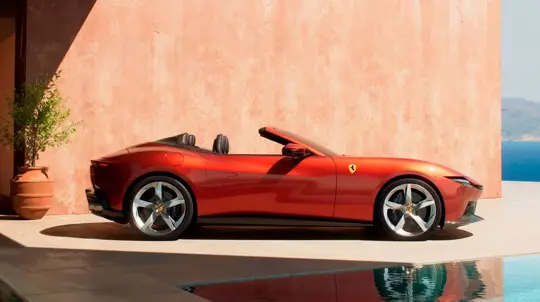
Porsche 718 Boxster
The Boxster is a luxury sports car known for its compact size and problems familiar to owners of any roadster or coupe. The model attracts attention with its elegance and track capabilities, but alas, it doesn't suit every large-framed owner.
Since the cabin is truly tiny, a tall build combined with long legs creates serious obstacles to comfortable use. Someone up to 195 cm tall experiences minimal discomfort, but long legs and broad shoulders sharply reduce the car's overall appeal. Particular difficulties arise with the top closed: the cramped feeling multiplies. Thus, the Boxster's compactness seriously limits the pool of potential buyers among people with larger proportions.
Nissan Versa
Returning to the compact sedan segment, the Nissan Versa reaffirms the stereotypes of this class. Affordable cost and simple construction make it a popular purchase, but tall drivers may face serious comfort issues.
Depth from seatback to floor: 113 cm (44.5 inches)
Rear seat legroom: 78.7 cm (31 inches)
Comfort for tall drivers depends on individual body characteristics. Some complain about the inability to stretch their legs properly, despite the measured space exceeding that of some other compacts. The problem is exacerbated because the space, while long, isn't wide enough to fully stretch out. As a result, tall drivers experience constant strain, especially on longer trips.
Moreover, with 78.7 cm of space between seats on the rear row, the classic passenger placement problem emerges. The bottom line: dimensions don't solve everything, and design choices can negate the advantages of geometric space.
Lexus IS
The IS is the junior member of Lexus's premium series, possessing all the hallmarks of prestige and quality execution. Despite attractive technical characteristics and varied trims, this car is often overlooked by taller buyers. The main reason lies in the interior layout:
Space from front seatback to floor: 113.8 cm (44.8 inches)
Rear seat legroom: 81.8 cm (32.2 inches)
Despite good numbers, experts advise caution when considering this model for tall drivers. This is explained by the seat design itself, which provides a snug body fit that some owners perceive as extra strain on back and side muscles. Many appreciate the anatomical support, but others find it overly intrusive, causing discomfort even with sufficient cabin area.