How to reduce fuel consumption: 5 practical tips for drivers
 A. Krivonosov
Learn simple ways to save fuel, including driving style, aerodynamics, tire pressure, and more. Cut costs by up to 20% without expensive vehicle changes.
Rising fuel prices are prompting more drivers to consider ways to save. Buying a hybrid or electric vehicle is a drastic step, but switching cars almost always involves significant costs. Meanwhile, it's possible to reduce fuel consumption today without spending millions on a new vehicle.
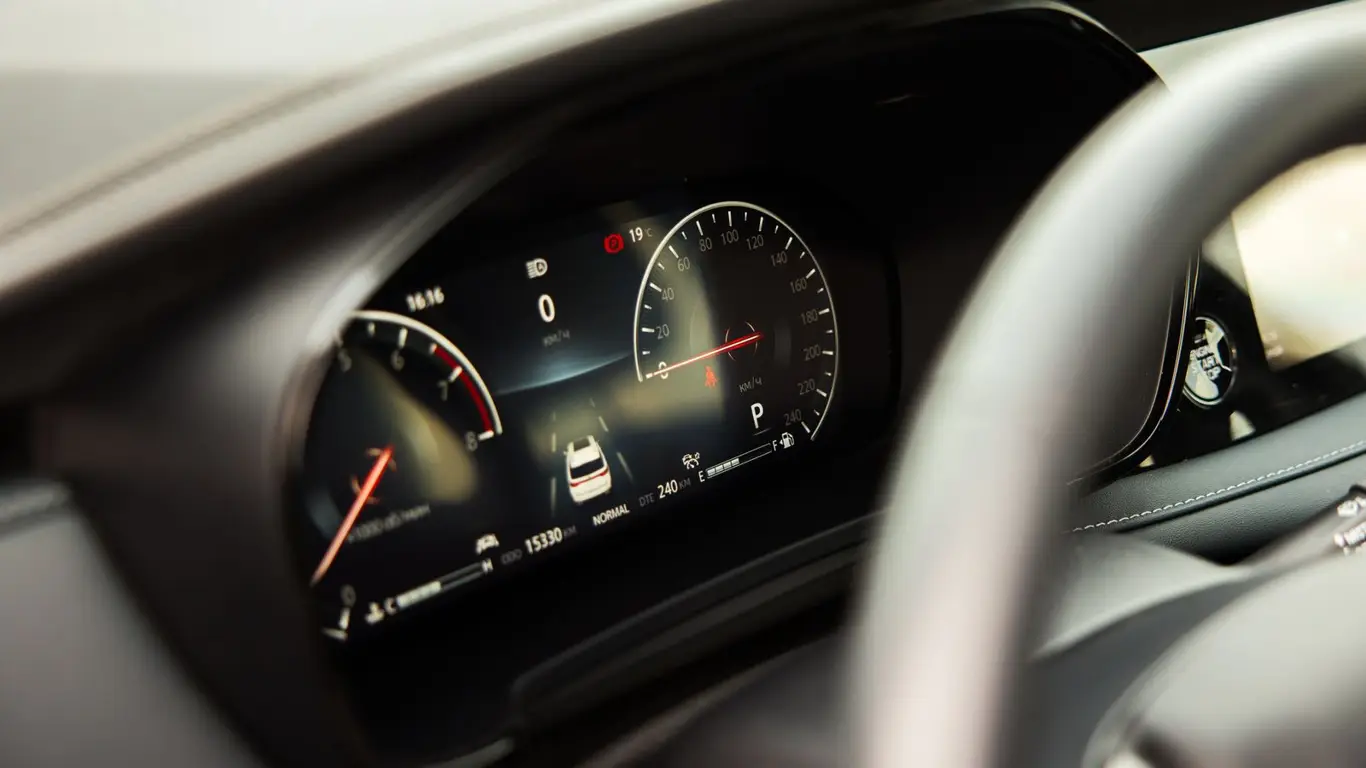
The first and most effective factor is driving style. Sudden acceleration and braking directly increase fuel use. Smooth acceleration, anticipating traffic conditions, and maintaining a steady speed can significantly cut consumption. Many modern cars come with onboard computers that display average fuel economy. Tracking performance on the same routes becomes a kind of game, but it's here that savings of up to 20% are achievable—especially if your previous driving was aggressive.
Aerodynamics is the second key factor. Roof racks, expedition platforms, and even empty crossbars worsen air resistance. An unloaded roof box can increase fuel consumption by 2–10%, while a bulky roof tent might push it up by 25%. If equipment isn't used regularly, it's best to remove it.
Tire pressure comes third. Underinflated tires increase rolling resistance, impair handling, and accelerate tire wear. Tires can naturally lose 1–2% of pressure per month. If pressure is 10% below the norm, extra fuel use can be around 2%, and with more serious deviations, it might reach 10%. Regular checks and adjustments are one of the simplest ways to cut costs.
The fourth point is the start-stop system. Many drivers disable it due to discomfort, but studies show that in urban conditions, savings can range from 7% to 26% depending on traffic density. For cars without this system, it makes sense to turn off the engine during long idling, such as in traffic jams or at railway crossings.
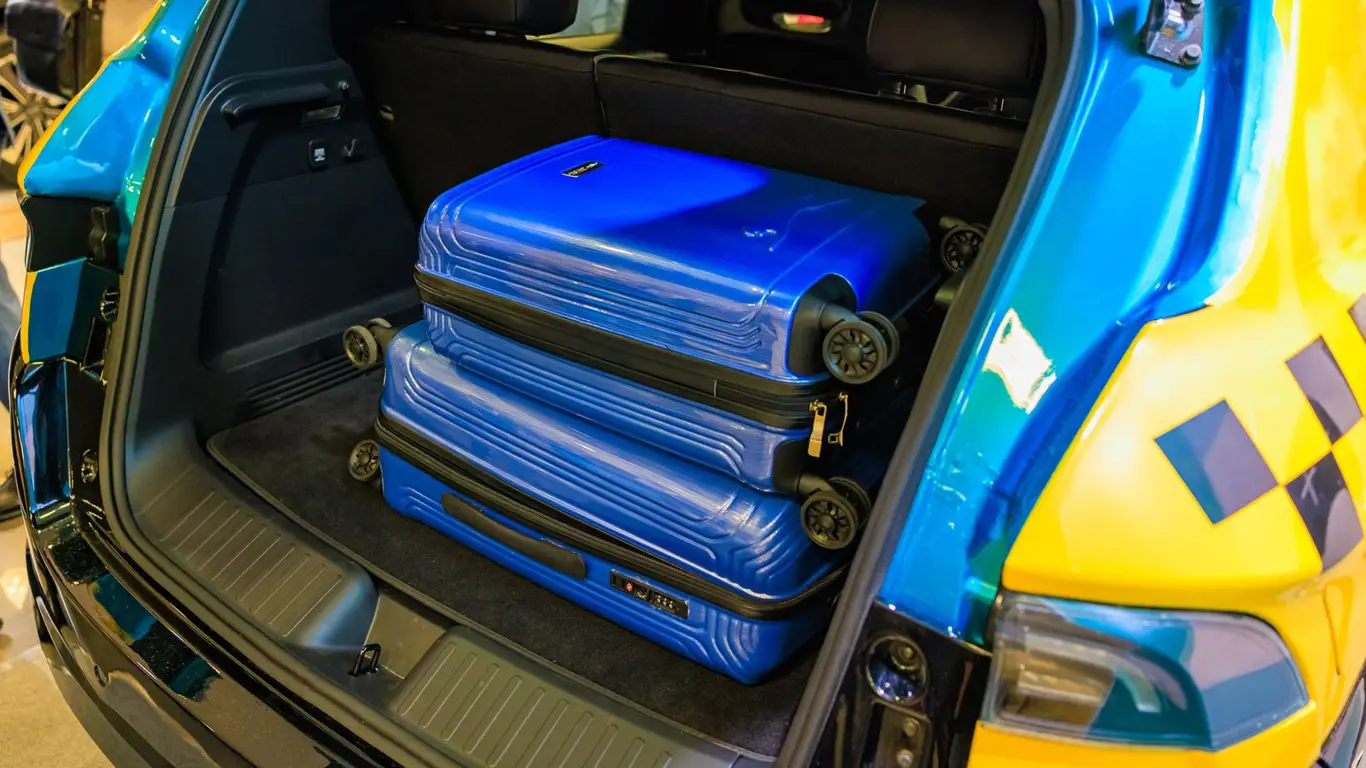
Excess weight is the fifth factor. Items constantly carried in the trunk "just in case" add to the vehicle's mass, increasing fuel consumption. Every extra ten kilograms requires energy for acceleration and maintaining speed. Clearing out the trunk won't deliver an instant 10% saving, but combined with other measures, it noticeably reduces overall consumption.
The main takeaway is simple: fuel economy isn't about one magic button but a combination of habits and small decisions. With a comprehensive approach, cutting costs by 10–20% is quite realistic, especially in city driving. Unlike buying a new car, these changes don't require major investments—just attention and discipline.