Why modern automatics can beat manuals on fuel economy
 A. Krivonosov
Discover how modern automatic transmissions match or surpass manuals on fuel economy in 2025: more gears, smarter control, CVT and DCT tech, real-world numbers.
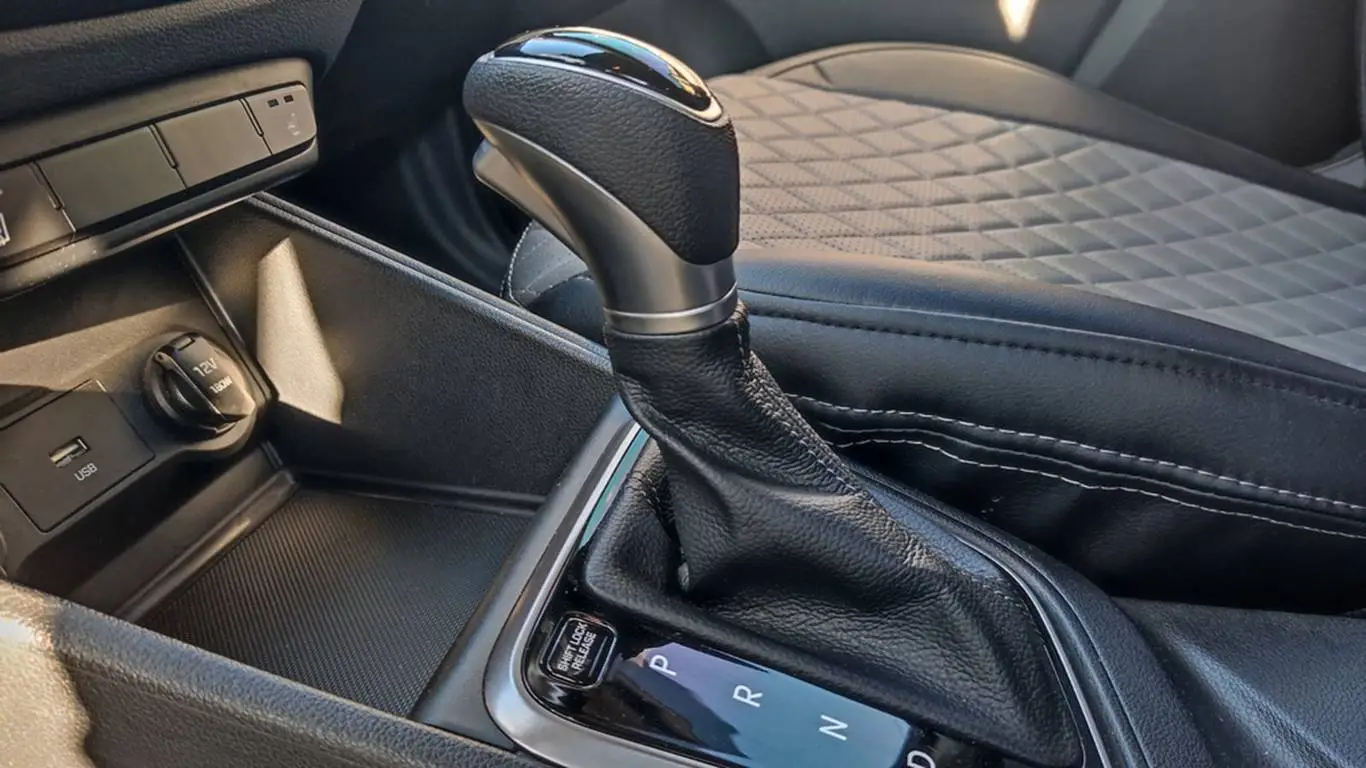
A couple of decades ago, a manual gearbox was the obvious choice for drivers trying to save money. Automatics of that era had just four gears, clung to high revs and noticeably burned more fuel. As technology moved on, the picture changed. Today’s automatics offer 6–8, and sometimes 9, ratios, can lock the torque converter and coordinate with the engine’s electronics. The fuel gap has vanished—and in some cases flipped in favor of the automatic.
How the automatic caught up with—and passed—the manual
The real leap came from the spread of ratios and smarter control logic. While manuals are most often five- or six-speed, an automatic can adapt to the driving situation, keeping the engine in its sweet spot. Modern torque converters lock up in higher gears, trimming losses and almost eliminating slip.
According to auto expert Dmitry Novikov, since the 2010s automatics have even surpassed manuals for efficiency on many models, with the electronics shifting precisely and pursuing minimal fuel use.
The numbers back it up: a Jeep Wrangler with a manual uses 12.4 L/100 km, while the eight-speed automatic manages 11.8. The difference looks small on paper yet says enough—the auto is thriftier.
Why automatics got smarter
Modern transmissions are tied into the engine and the car’s systems through electronics. They analyze load, road gradient, driving style and even navigation data. The gearbox can anticipate when to shift so it doesn’t spin the engine up for no reason. A driver with a manual often acts on intuition, and a wrong gear can add a liter to the tally. An automatic, by contrast, works without emotion—steadily and precisely. In everyday driving, that calm predictability is exactly what helps keep consumption in check.
New types of gearboxes joined in—CVTs and dual-clutch units. They don’t use traditional steps, operate in an optimal range and often deliver lower fuel use than a manual.
When the manual still wins
Of course, the stick still has its charms. An experienced driver, taking it easy and shifting carefully, can squeeze out minimal consumption. A manual is also simpler and cheaper to repair.
But in terms of fuel efficiency, the automatic no longer trails. On the highway, modern autos slip into taller gears on their own, holding revs lower than a classic five-speed manual.
Conclusion
By 2025, the old advice that “a manual is more economical” has lost its weight. Thanks to a wider spread of gears, intelligent control and better hardware, automatics can match—or even beat—manuals on fuel use. And the driver gets comfort and smoothness without sacrificing efficiency.
So choose by convenience, not by stereotype: the era when an automatic was branded a gas-guzzler is behind us.