Understanding hybrid car technologies: a simple guide
 A. Krivonosov
Learn the differences between HEV, MHEV, PHEV, and range-extender hybrids. Find out which type suits your driving needs and how they impact fuel efficiency.
The hybrid car market is awash with acronyms: HEV, MHEV, PHEV, REx, DM-i, and more. While manufacturers can name their technologies however they like, this alphabet soup often leaves buyers confused.
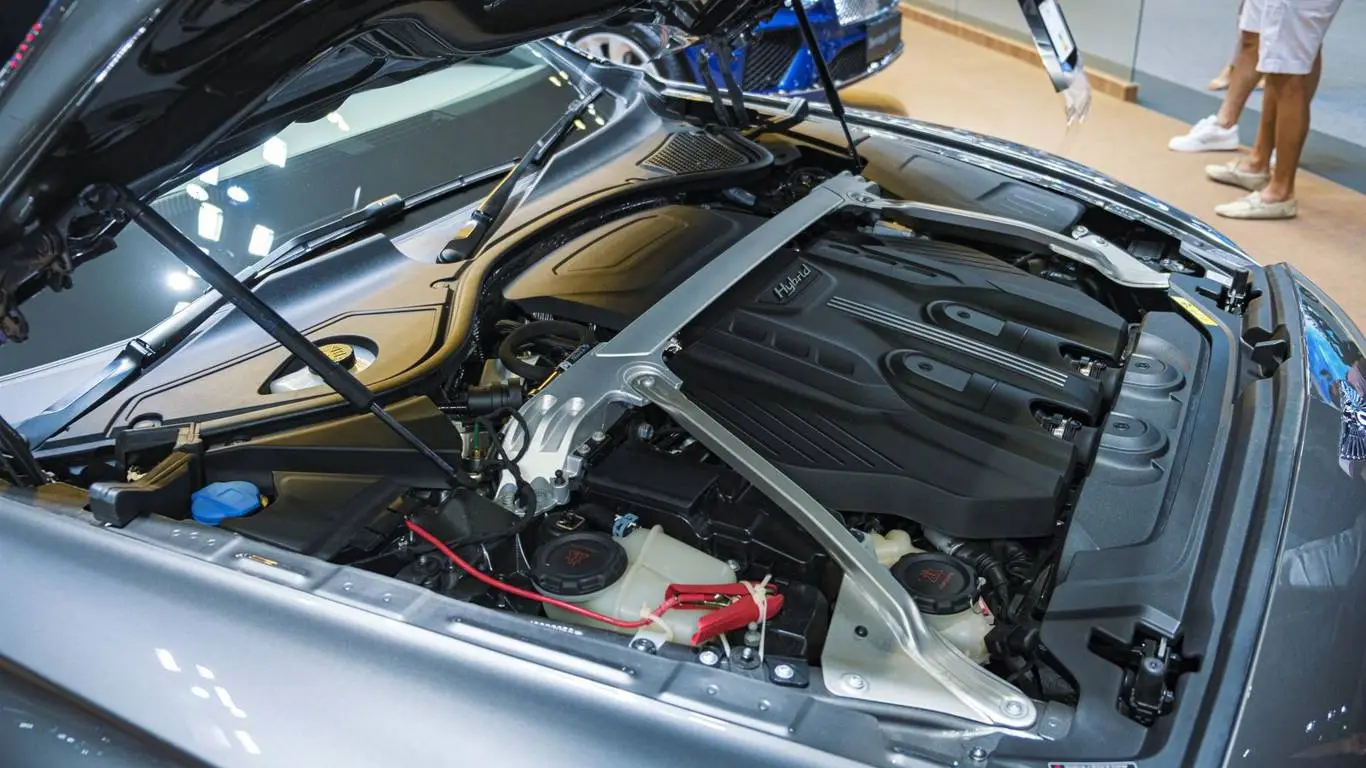
A mild hybrid (MHEV) typically pairs an internal combustion engine with a beefed-up starter-generator. This setup assists during acceleration and recovers energy through regenerative braking, but it can't propel the vehicle on electric power alone. In essence, it's a fuel-efficiency tool, not a true electric vehicle.
A full hybrid (HEV) can travel short distances at low speeds without the engine running. These systems shine in city driving, delivering impressive fuel economy. Their advantages, however, diminish on the highway.
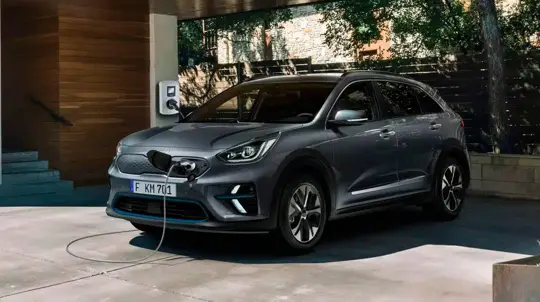
Plug-in hybrids (PHEVs) come with larger batteries and require regular charging to achieve their advertised efficiency. If you don't plug them in, they effectively become heavy hybrids with worse fuel consumption.
The range-extender concept occupies a middle ground, using an internal combustion engine solely as a generator to power the electric motor.
For most drivers, two questions matter most: does the car need to be plugged in, and can it drive on electricity alone? Everything else is just engineering detail.