Mercedes-Benz's new system fights motion sickness with ventilation and LED lights
 A. Krivonosov
Mercedes-Benz has patented a system using ventilation and LED cabin lighting to combat motion sickness by enhancing movement sensations. Learn how this simple approach improves passenger comfort.
Mercedes-Benz has patented a new system to combat motion sickness in cars. Rather than relying on complex active suspensions or vibration compensation, the brand proposes a simpler approach: using ventilation and LED cabin lighting.
Motion sickness occurs due to conflicting signals between the inner ear, vision, and hearing. For instance, when a passenger reads in a moving car, the eyes focus on a stationary object while the vestibular system senses motion. This sensory imbalance triggers nausea. Estimates suggest up to 5% of people experience pronounced motion sickness.
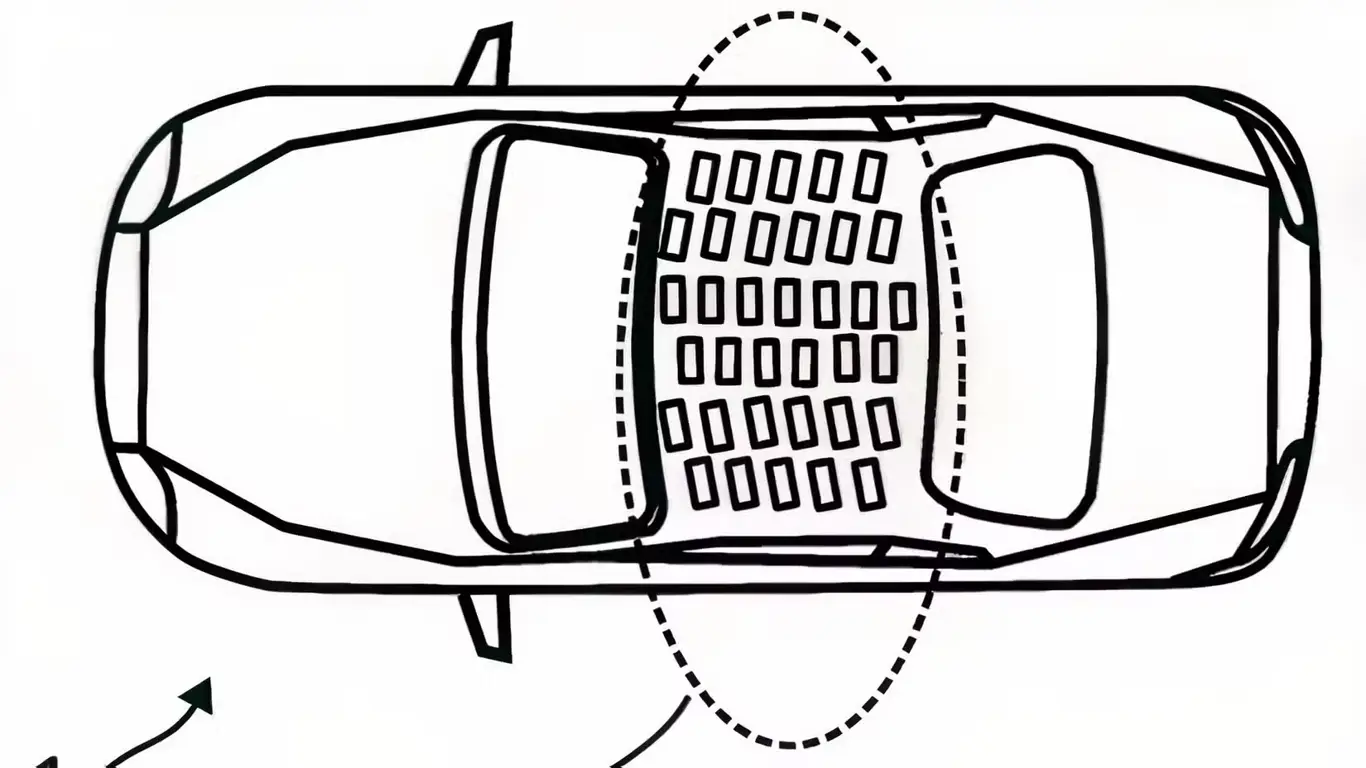
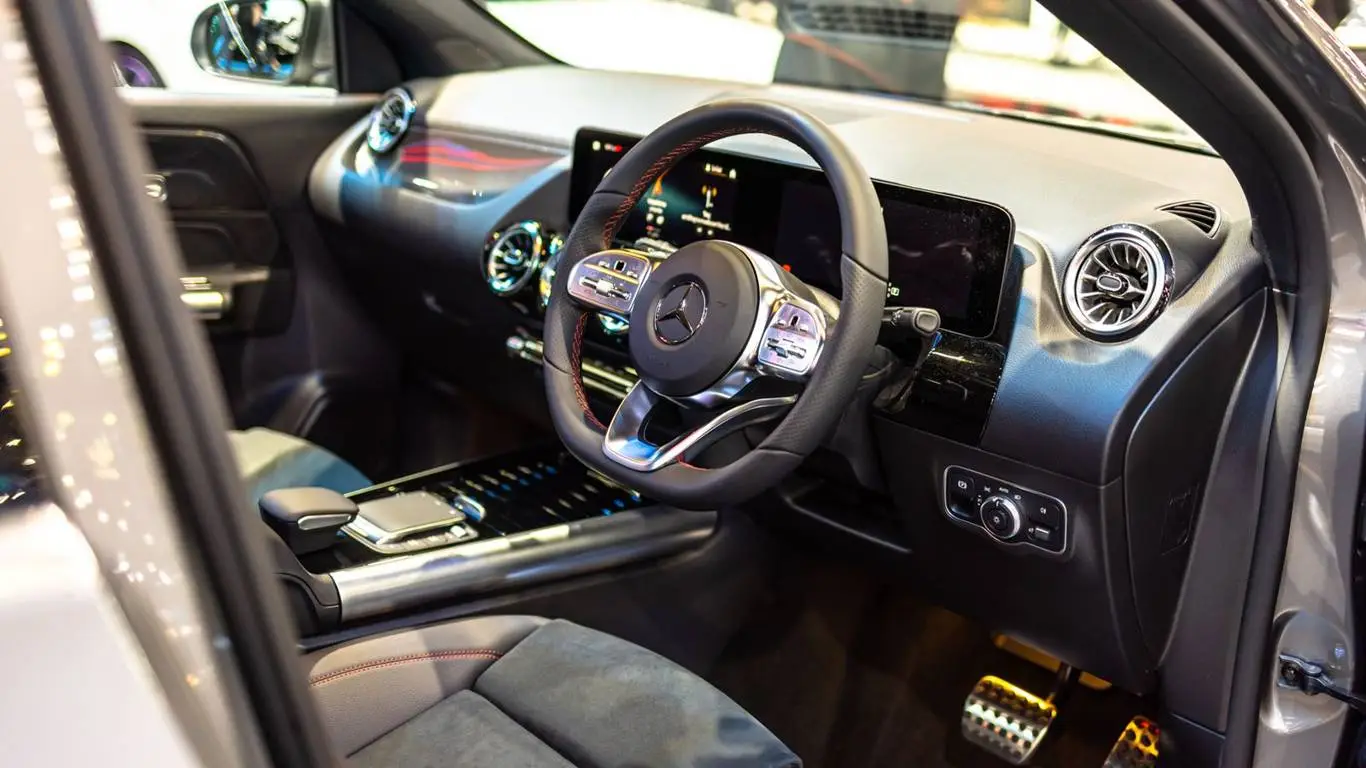
According to the patent, Mercedes aims to enhance the sensation of movement by adjusting airflow. During acceleration, airflow might increase; during braking, it could decrease. Pulsating modes or targeted air impulses are also possible, creating a feeling of headwind. This provides passengers with additional physical cues about the car's behavior.
The system could also incorporate LED lighting: color signals, turn arrows, or a red tint during braking. The use of LED headliner upholstery is even under consideration.
From a practical standpoint, this solution is intriguing because it leverages existing cabin elements—ventilation and lighting. If the technology reaches production, it could become an added selling point for premium models, where passenger comfort is a key factor in the buying decision.