Hydrogen vehicle sales plummet in Japan due to station shortages
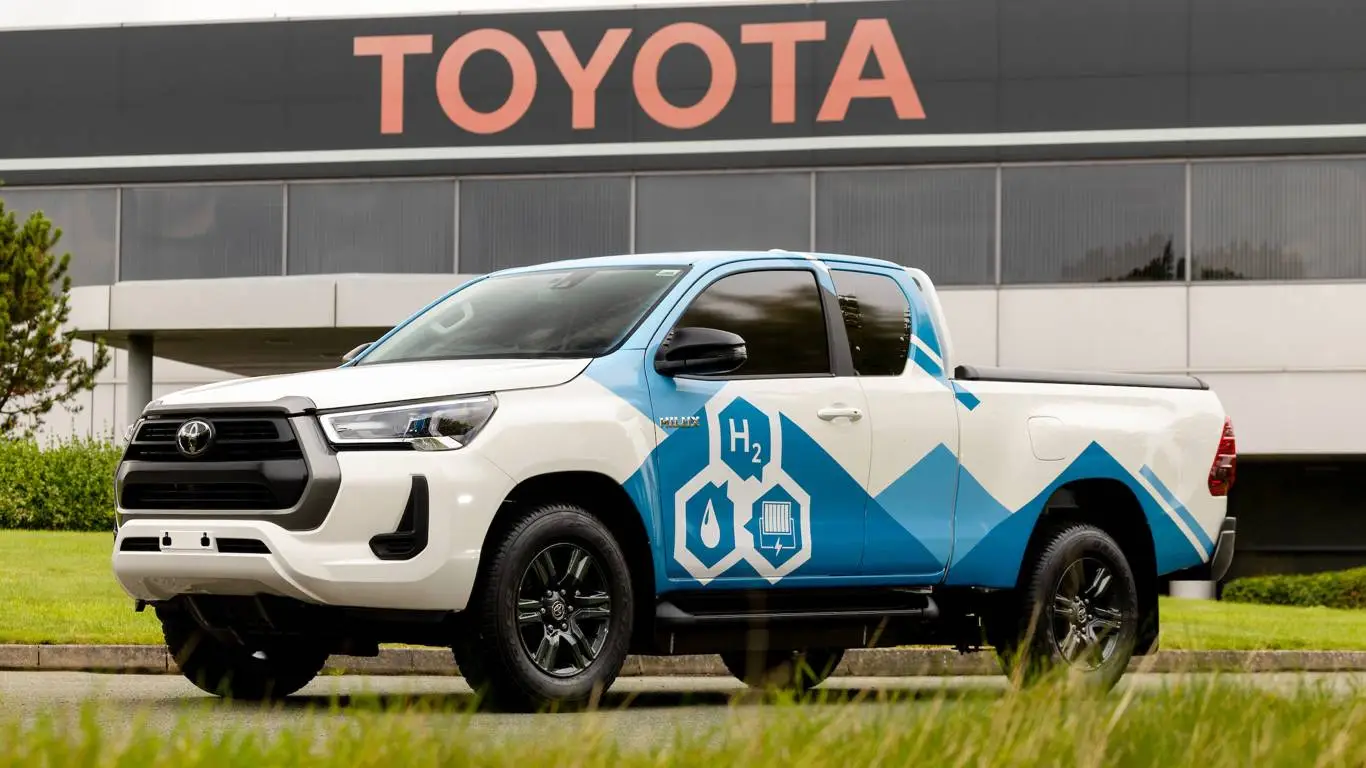 global.toyota
Sales of hydrogen-powered vehicles in Japan have fallen 83% from 2021 to 2025, with only 431 units sold annually. The decline is linked to a shrinking refueling network and high costs, despite new models like the Hyundai Nexo planned for 2026.
Sales of hydrogen-powered vehicles in Japan have plummeted by 83% from 2021 to 2025, dropping to just 431 units annually. The decline stems from a shrinking refueling network: currently, only 149 hydrogen stations operate across the country, a 10% decrease from five years ago and far short of the planned 320.
Under a standard accessibility measure, about 90% of Japan's land area lacks coverage within a 15-kilometer radius. More than 1,500 municipalities have no stations at all, and roughly 70% of existing refueling points close by 5 p.m., further limiting usability.
Building a single station costs around 500 million yen (approximately $3.3 million), yet utilization remains low. In Tokyo, an operator reported serving an average of five buses per day, while needing at least ten daily to break even.
Starting in April, the maximum subsidy for purchasing a fuel cell electric vehicle (FCEV) will drop to 1.05 million yen from 1.5 million, while support for battery electric vehicles rises to 1.3 million yen. Meanwhile, the Toyota Mirai starts at 7.41 million yen, and the Honda CR-V e:FCEV from 8.33 million, whereas urban electric cars are available from around 2 million yen.
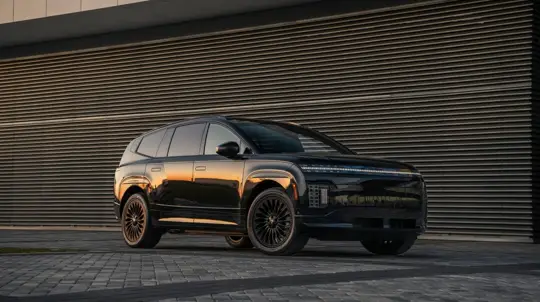
Despite the downturn, Hyundai plans to launch a new generation of its hydrogen-powered Nexo in Japan in the first half of 2026, boasting a range exceeding 826 kilometers.