Understanding hybrid car battery lifespan and durability
 A. Krivonosov
Learn about hybrid car battery lifespan, factors affecting durability, warranty details, and tips for maintenance and used car buyers.
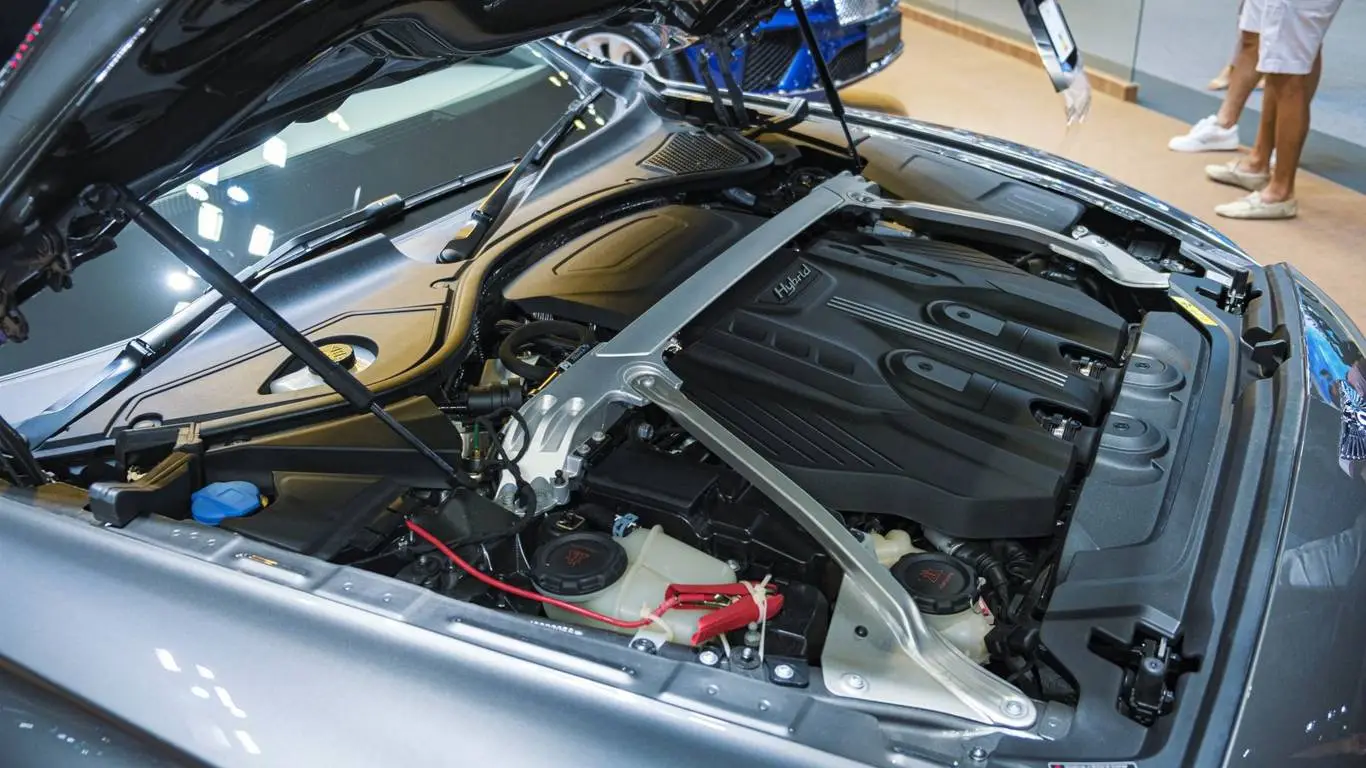
The high-voltage battery is the most expensive component in a hybrid car, making its lifespan a critical concern for all owners. Most manufacturers design these batteries to last roughly as long as the vehicle itself, but real-world data suggests a range of 160,000 to 320,000 kilometers.
Factory warranties offer some indirect clues. In the U.S., the minimum is typically 8 years or 80,000 miles, while states following CARB standards mandate 10 years or 150,000 miles. Brands like Toyota and Hyundai go further by extending warranties for their hybrid systems, reflecting confidence in battery durability, though failures can still occur.
Degradation stems from various factors. Some issues involve design flaws in cells or modules that are unpredictable from the start. Extreme temperatures also take a toll: constant heat accelerates aging, and parking in direct sun without ventilation only worsens the effect. Manufacturers use software to limit the charge range artificially, aiming to extend battery life, but capacity loss inevitably becomes significant over time.
Signs of trouble include reduced fuel efficiency, less frequent use of electric mode, inaccurate charge indicators, or error messages. In severe cases, the hybrid might fail to start, since the electric motors rely on the HV battery pack to ignite the combustion engine.
For buyers considering used hybrids, it's wise to have the battery tested before purchase. If a module is nearing the end of its life, that should be factored into the price.