Android Auto vs. Android Automotive: what's the difference?
 A. Krivonosov
Learn the key differences between Android Auto and Android Automotive. Understand how they work, their uses in cars, and which system might be best for you.
Google is actively strengthening its position in the automotive sector by advancing two distinct products: Android Auto and Android Automotive. Despite their similar names, these are fundamentally different systems.
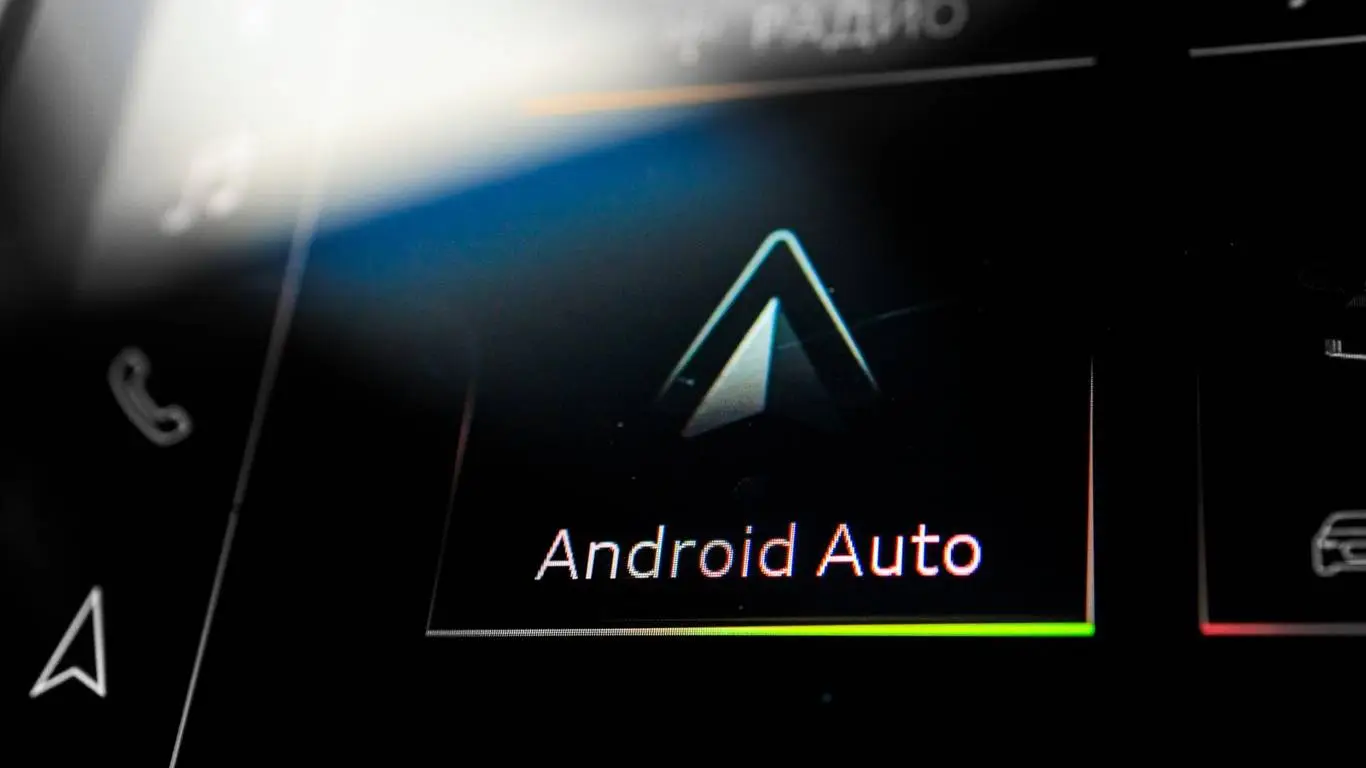
Android Auto is a smartphone projection system. Essentially, your phone becomes the "brain," while the car's screen acts as the monitor. All applications run on the smartphone, with an adapted interface displayed in the vehicle. It supports navigation, music, messages, points of interest, IoT, and weather. New categories—games and video—are only accessible when parked.
To use Android Auto, a compatible multimedia system is required. Both wired and wireless connections are possible. If a car doesn't support the system from the factory, it can be installed via an aftermarket head unit or adapter.
Android Automotive operates on a completely different level. This is a full-fledged operating system installed directly in the vehicle. It manages climate control, cameras, seat settings, navigation, and other functions. Unlike Android Auto, a smartphone is not needed. Manufacturers can deeply customize Android Automotive to fit their brand. If desired, they can license Google Automotive Services for access to the Play Store, Google Maps, and Assistant.
Some companies, such as BMW, create their own solutions without the full suite of Google services. Android Automotive is already in use by brands like Polestar, Volvo, Chevrolet, Cadillac, Renault, Honda, Nissan, Ford, and others. However, adoption is progressing more slowly due to higher hardware requirements and development costs.
The key difference is this: Android Auto serves as your phone's interface in the car, while Android Automotive is the vehicle's own "operating system." Notably, Automotive can also support both Android Auto and Apple CarPlay, unless the manufacturer restricts functionality.
From a strategic perspective, Android Automotive appears to be the more powerful tool for Google, as it provides direct access to the vehicle without smartphone mediation. For users, however, Android Auto remains a more universal and flexible solution, especially when switching cars.