Understanding car engine layouts: front, mid, and rear
 A. Krivonosov
Explore the pros and cons of front, mid, and rear engine layouts in cars. Learn how each affects handling, practicality, and driving experience.
Over more than a century of automotive history, the industry has never settled on a single correct engine layout. While bicycle design was settled long ago without debate, car manufacturers are still experimenting. Some place the engine at the front, others put it right behind the driver, and a third group stubbornly continues to mount it behind the rear axle. Each solution has its own logic, advantages, and inevitable compromises, which we'll explore in this article.
Engine placement directly affects handling, comfort, practicality, and even the emotions a car delivers to the driver. That's why one car feels predictable and calm, another feels sharp and nervous, and a third feels thrilling yet demanding of respect.
Front-engine layout: versatility and predictability
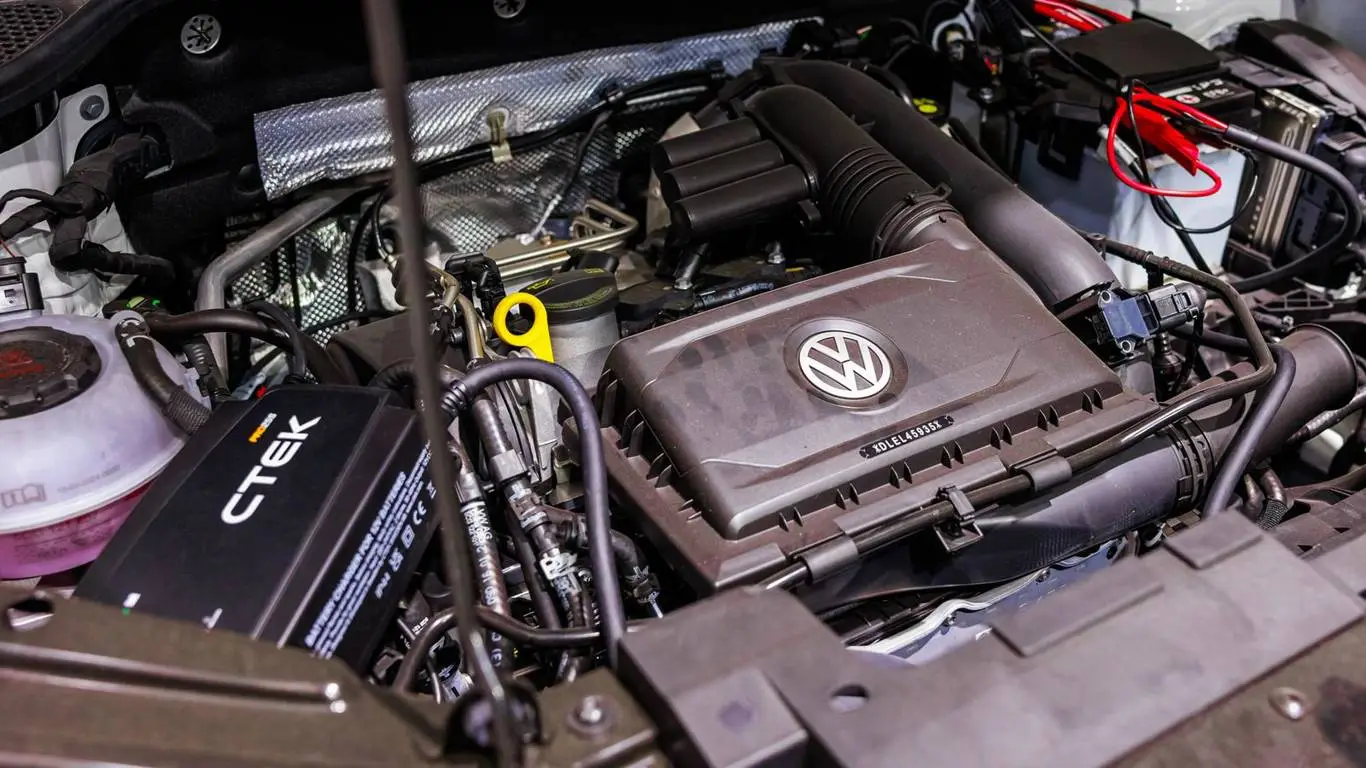
The overwhelming majority of cars on the road have front-mounted engines, and for good reason. This layout is highly versatile, suitable for compact city cars, powerful grand tourers, and large crossovers alike. Engineers can position the engine transversely or longitudinally with ease, and maintenance doesn't require acrobatics—just open the hood.
According to automotive expert Dmitry Novikov, the front-engine scheme works well for daily driving, providing understandable and stable behavior, a comfortable cabin, and good practicality, which is why manufacturers widely choose it for mass-market models.
But this layout has a downside. When a heavy engine sits over the front axle, the car becomes nose-heavy, leading to understeer—the tendency to keep going straight even when the driver has turned the wheel. This effect is especially pronounced during spirited driving. Additionally, braking shifts weight further forward, which doesn't help balance.
Nevertheless, for normal use, the front-engine layout remains the most rational and predictable option, explaining its dominance in the market.
Mid-engine layout: perfect balance and sacrifices for driving pleasure
Mid-engine cars are rare and almost always associated with sports cars. The engine in these vehicles is placed between the axles, usually right behind the driver. This delivers near-perfect weight distribution and allows the car to handle with maximum precision in corners.
With no heavy unit at either end, the handling becomes sharp and responsive. That's why the mid-engine scheme is considered the benchmark for dynamics and balance. Such cars seem to read the driver's mind, but they demand care and skill.
The trade-off is practicality. The mid-engine layout practically eliminates a rear seat, and accessing the engine often becomes an engineering puzzle. As the publication cites Novikov, maintaining these cars yourself is a task for the patient and experienced.
On the plus side, designers gain freedom. The front end can be low and streamlined, making mid-engine sports cars some of the most beautiful machines in history. Unsurprisingly, this layout is most commonly used in supercars.
Rear-engine layout: character, traction, and compromises
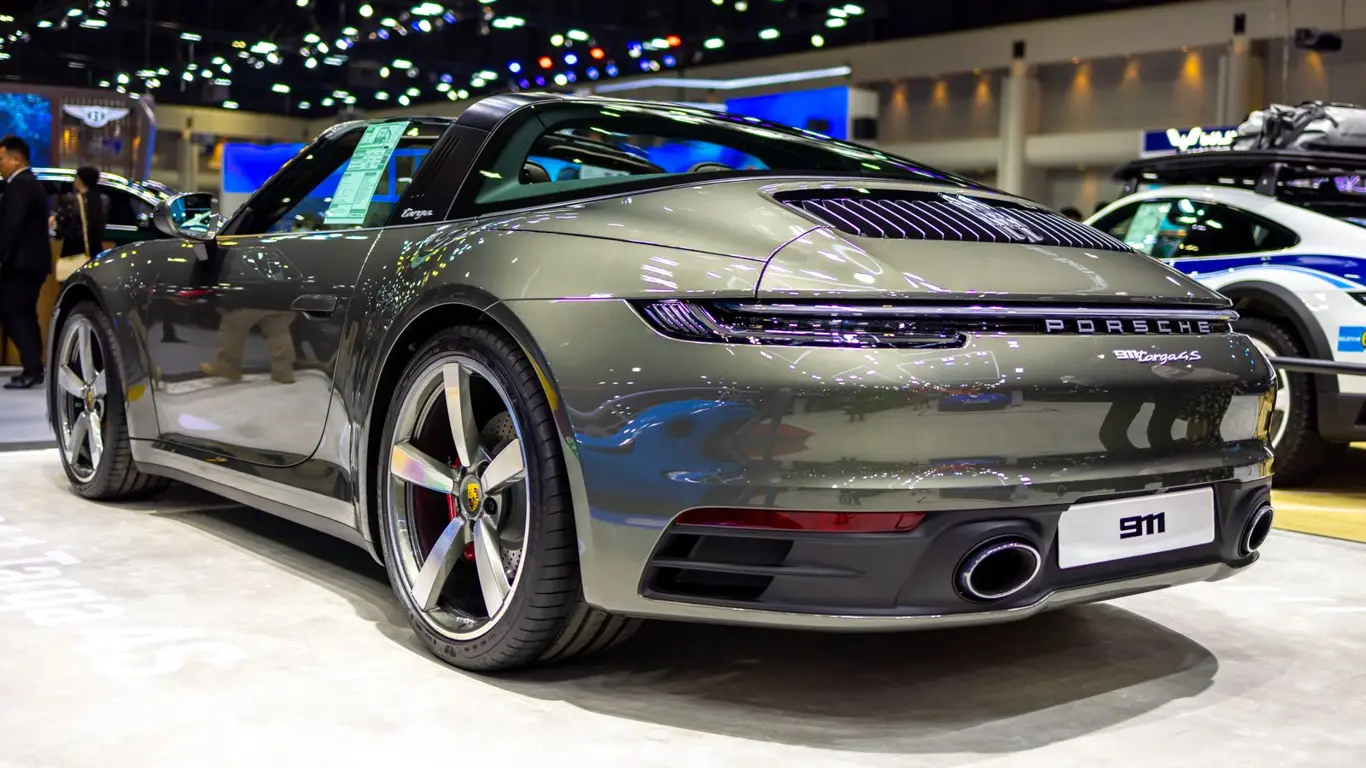
Today, rear-engine cars are almost entirely associated with the Porsche 911, though history offers other examples like the Volkswagen Beetle and Chevrolet Corvair. Placing the engine behind the rear axle creates a unique character that's unmistakable among layouts.
The main advantage is excellent traction. The engine's weight presses the rear wheels against the road, ensuring confident acceleration. That's why rear-engine cars excel at launch and exiting corners.
But physics can't be cheated. The heavy mass at the rear makes the car prone to oversteer. For an experienced driver, this is a source of enjoyment and control, but for the unprepared, it's a potential issue, especially on wet roads. Such cars demand respect and careful handling.
Practicality suffers too. There's no trunk at the back, and the front compartment is usually tiny. Even modern models offer space for just a couple of bags, ruling out family trips.
The perfect solution
Each layout is a set of compromises. Front-engine wins on versatility and comfort, mid-engine on handling and balance, and rear-engine on traction and unique character. That's why manufacturers continue to use all three options, and drivers choose not the "best" but the one that best suits their needs and driving style.
In most cases, the rational choice is a front-engine car. But in the right conditions, mid-engine and rear-engine machines can shine in ways no universal layout can match. That's their magic.