Germany's VDA proposes limiting plug-in hybrid power when not charged
 A. Krivonosov
Germany's VDA suggests restricting plug-in hybrid power if owners don't charge, aiming to cut real-world CO2 and keep PHEVs viable under the EU's 2035 rules.
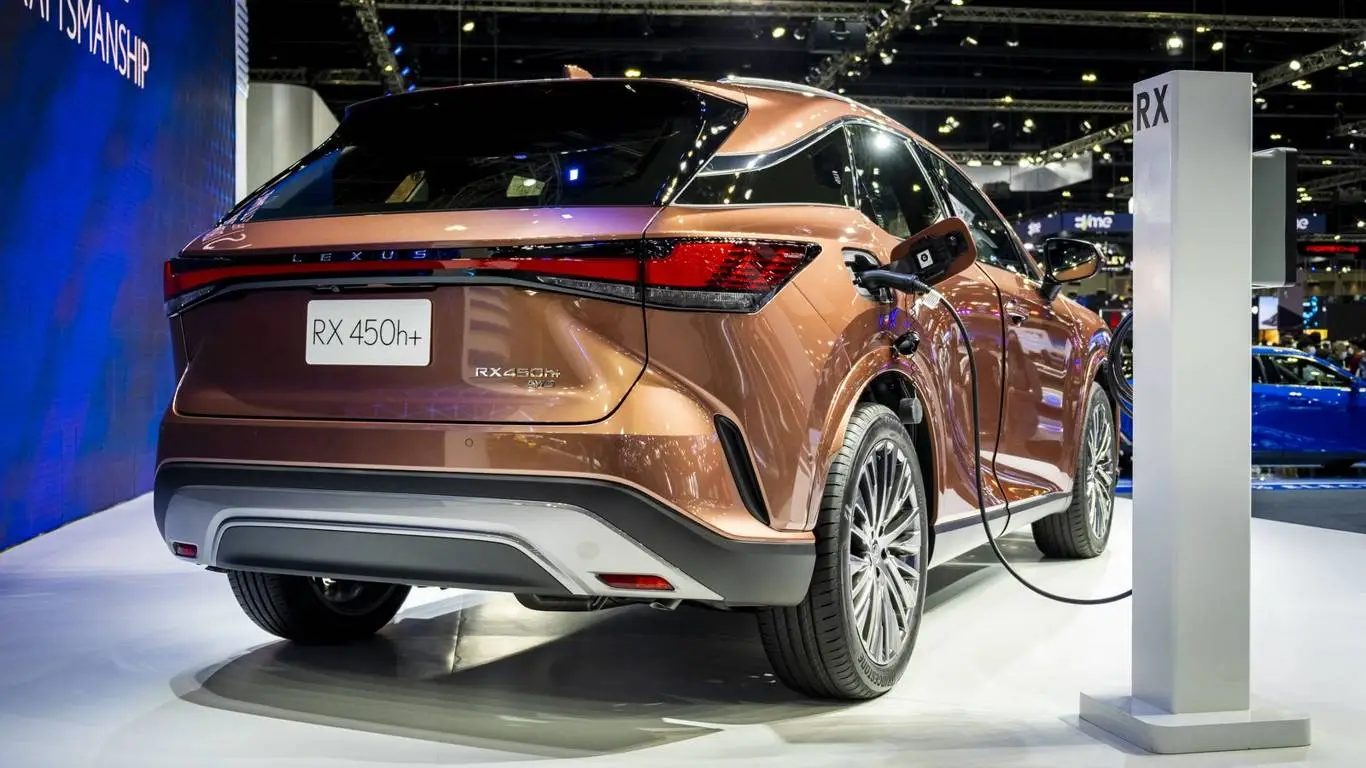
Germany has floated a radical measure aimed at plug-in hybrid owners who rarely bother to connect their cars to a socket. The auto industry association VDA says drivers should be nudged to use electric power more often — otherwise their cars would face a drop in available power.
According to VDA president Hildegard Müller, future hybrids could be engineered so that after a set distance driven without charging, the engine’s output would be restricted. To restore full performance, the driver would need to plug the car in. The idea has set off a lively debate: some view it as a sensible way to reduce CO2, while others see it as an infringement on owners’ rights.
The sticking point is clear: many hybrids, studies suggest, are used like regular gasoline cars, undermining their environmental purpose. European regulators already argue that PHEVs emit up to five times more CO2 in real life than their official figures suggest.
VDA’s proposal is also an attempt to keep hybrids viable beyond 2035, when the EU plans to ban cars with CO2 exhaust. Yet the practical questions loom large: how often would drivers be forced to charge, and would a hybrid shift from a convenient middle ground to a source of frustration?
The idea is contentious but internally consistent. If a car carries a plug, the expectation is to use it. Perhaps measures like this are what it takes to make plug-in hybrids truly clean in daily use, rather than just a fashionable badge on the trunk.