Why cheap EV charging cables waste energy and pose risks
 volkswagen-newsroom.com
Learn how low-quality charging cables reduce electric vehicle efficiency, increase costs, and create safety hazards like overheating and fires. Get tips for choosing certified cables.
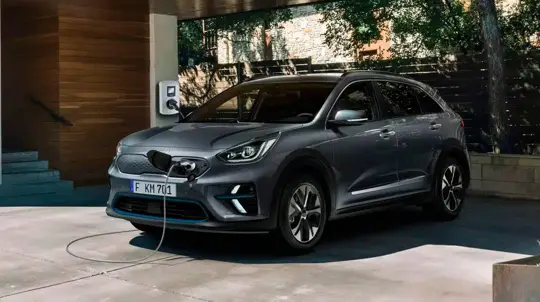
Using low-quality charging cables can reduce an electric vehicle's efficiency and create safety risks. As experts point out, all conductors have electrical resistance, which converts some energy into heat. Cheap cables have higher resistance, so less energy reaches the battery even though you pay for the full amount.
Resistance levels depend on the material, connection quality, and wire gauge. More expensive cables use larger-gauge conductors made from high-purity copper and quality contacts, while budget options might use low-grade alloys or aluminum with copper plating, often with thinner wires.
Increased resistance causes voltage drop and heats up both the cable and connectors. To prevent overheating, chargers can automatically reduce power output. For instance, an 11 kW nominal rating might drop to 9.5 kW in practice.
Even a 5% loss adds up: with annual consumption of 3,000 kWh, that's about 150 kWh wasted. At 0.35 euros per kWh, that's over 50 euros per year. Overheating also accelerates component wear and can lead to melted connector housings, short circuits, or fires. Recommendations include choosing cables with independent certifications like TÜV or CE, at least IP55 protection (IP67 is better), and warranties of three years or more.