Japanese car durability vs Chinese EV technology evolution
 Dasha Sysoeva
Explore the debate on Japanese car longevity vs Chinese EV innovation. Learn about battery lifespan, rapid tech updates, and the changing auto industry.
The Toyota chief's statement that "a Japanese car can last 40 years" instantly sparked a wave of debate. While comparing traditional internal combustion engines with rapidly evolving Chinese electric vehicles makes for a dramatic contrast, it's not always an accurate one. The automotive sector is transforming, and with it, the very definition of durability is changing.
Why Japanese cars are so durable
The reliability of Japanese vehicles has solid foundations. Decades of refined engineering, stable engines and transmissions, a deeply ingrained culture of quality manufacturing, and a robust service network all contribute to their reputation. This is what creates the legends surrounding models like the Crown and Camry, which can reliably serve multiple owners over time. Their simple design makes repairs affordable, and diligent maintenance can extend a car's life for decades.
How long do Chinese EVs actually last?
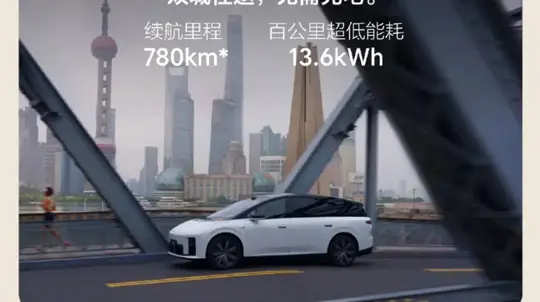
The main point of contention for critics is battery lifespan. Modern lithium batteries are typically rated for 8 to 12 years, but that's an average figure from the previous generation. Current solutions, such as BYD's Blade or CATL's Kirin batteries, offer over 3,000 cycles, which translates to 15–20 years of real-world use. The core issue isn't just how long an EV will physically last, but whether it makes practical sense to keep using an older vehicle in an era of such rapid technological advancement.
How the nature of the automobile has changed
The Toyota statement reflects a perspective from an era when a car was primarily a mechanical product. Today's vehicle is a digital device. Over-the-air updates, AI assistants, advanced driver-assistance systems, and deep integration with digital ecosystems are redefining what car ownership means. Electric cars are evolving faster than their batteries are aging. In this context, a "40-year" lifespan ceases to be an advantage if the underlying platform becomes obsolete every few years.
The strategy of Chinese automakers
The Chinese approach focuses not on eternal mechanical reliability, but on ultra-rapid product evolution. Fast update cycles, powerful chips, sophisticated driver aids, heat pumps, advanced automation features, and a high level of standard equipment—these are areas where Chinese brands are moving much faster than their Japanese counterparts. They are bringing technologies that were once exclusive to premium segments to the mass market. This represents a strategic strength, not a compensation for weaknesses.
Where the auto industry is headed
The numbers tell a clear story. In the first nine months of 2023, China exported 1.76 million electric vehicles, a surge of nearly 90%. Domestic brands now command over 50% of the Chinese home market. Chinese companies are no longer just exporting cars; they are exporting entire technological ecosystems. Meanwhile, Japanese brands are increasingly incorporating Chinese-developed components and technologies into their own localized projects.