Volvo EX60 safety features and electronic door handle debate
 volvocars.com
Explore the Volvo EX60's advanced safety systems like adaptive seatbelts, plus the controversy over its electronic door handles and regulatory concerns.
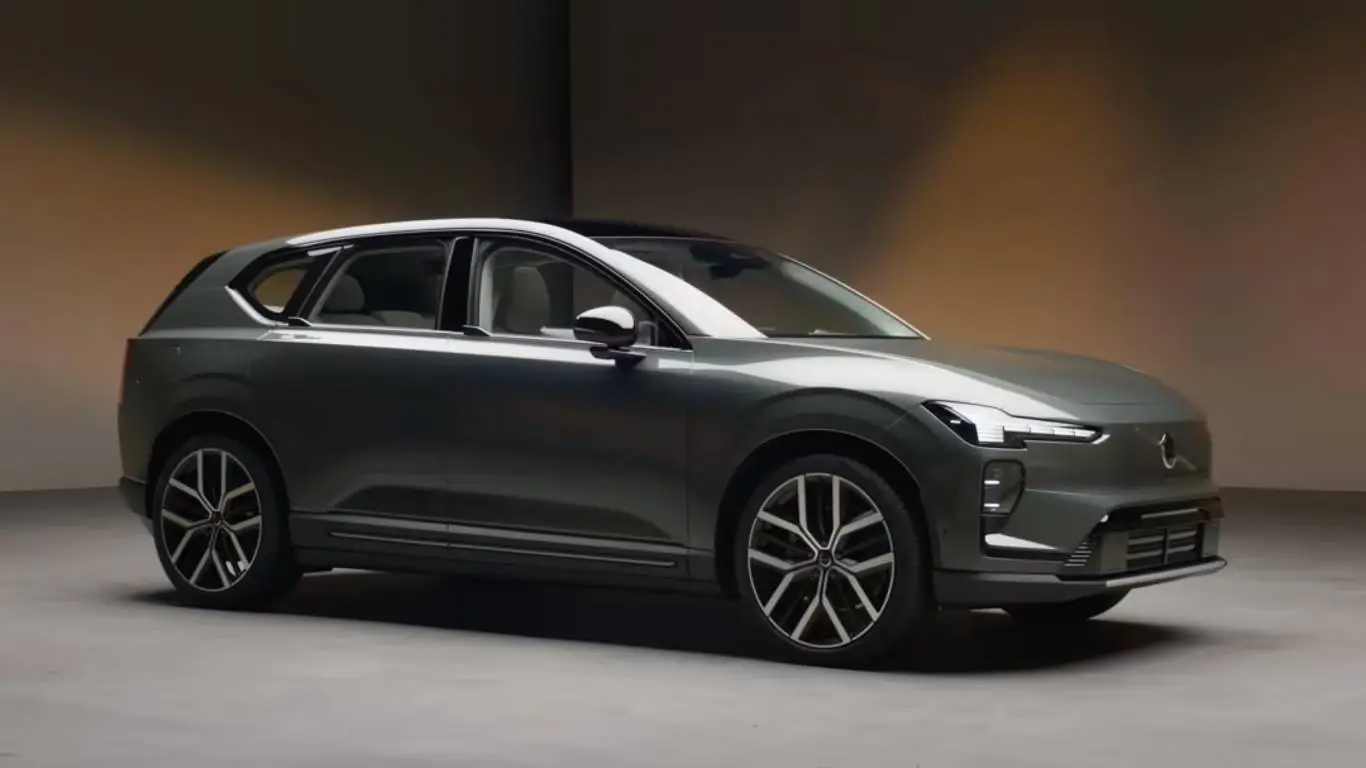
For decades, Volvo has built a reputation as a brand that prioritizes safety above all else. The new EX60 upholds this legacy with its progressive body structure and adaptive seatbelts that adjust to each passenger. However, alongside these technological advances comes a controversial feature.
Volvo Reinforces Its Safety Leadership
The brand's history began with a revolution—the invention of the three-point seatbelt. The EX60 continues this tradition: its system recognizes collision parameters and individual occupant characteristics to determine optimal seatbelt tension. In crash tests, the vehicle maintains cabin integrity even in a 50 km/h pole impact. The body absorbs energy while the pillars remain intact—a testament to an engineering philosophy honed over decades.
The Problematic Element: Electronic Door Handles
Against this backdrop of impressive safety achievements, the decision to adopt fully electronic door handles, which are integrated into the door panel, stands out. While they improve aerodynamics and lend a modern look, they introduce a risk: if power fails or wiring is damaged, the doors cannot be opened manually. There are already global precedents of people being trapped in vehicles with similar systems.
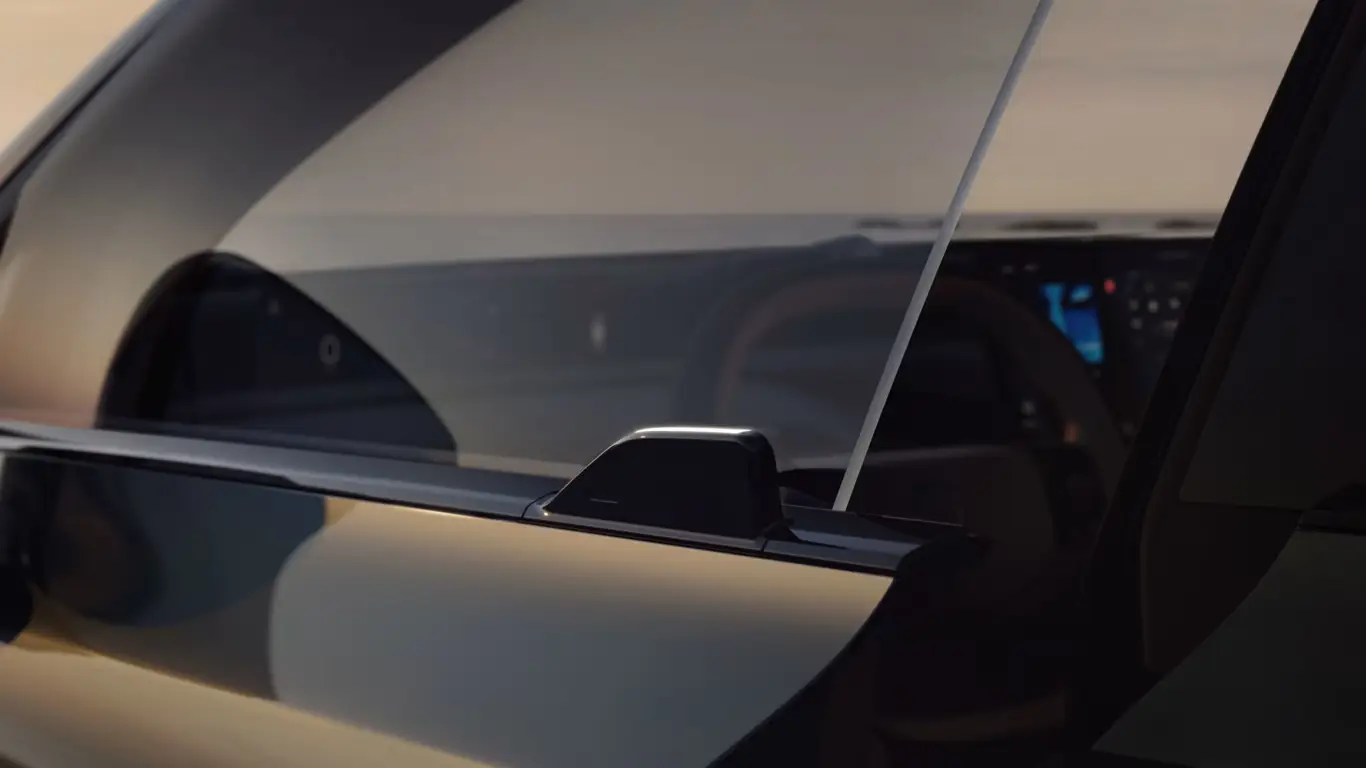
This trend is drawing regulatory attention. In the US, discussions are underway about mandating mechanical backups, while China will effectively ban such designs starting in 2027. Europe is considering similar measures. It remains unclear whether Volvo has incorporated an emergency door-opening method.
Why Volvo Chose This Controversial Path
Several factors may have influenced this move. The platform's geometry and the overall design language of the Geely group likely pushed toward electronic handles. Another pressure point is the desire to align with the aesthetic set by Tesla, which popularized hidden exterior elements. For Volvo, this compromise seems unusual—the company has traditionally valued mechanical reliability over trendy solutions.