How Canada's tariff reduction benefits Tesla's EV exports from China
 A. Krivonosov
Learn how Canada's tariff cut on Chinese EVs from 100% to 6.1% accelerates Tesla's shipments, leveraging Shanghai production and market presence for a competitive edge.
Canada's decision to reduce tariffs on Chinese electric vehicles from 100% to 6.1% has unexpectedly accelerated opportunities for Tesla. The company had already adapted its Shanghai production line in advance and can now resume shipments faster than its competitors.
Key Changes and Quotas
The agreement allows for up to 49,000 vehicles to be imported annually from China with preferential tariffs, with the quota set to increase to 70,000 units in the future. The restriction applies only to price categories: half of the volume is reserved for cars under 35,000 CAD, which limits Tesla but doesn't exclude it from the market.
Tesla's Production Advantages
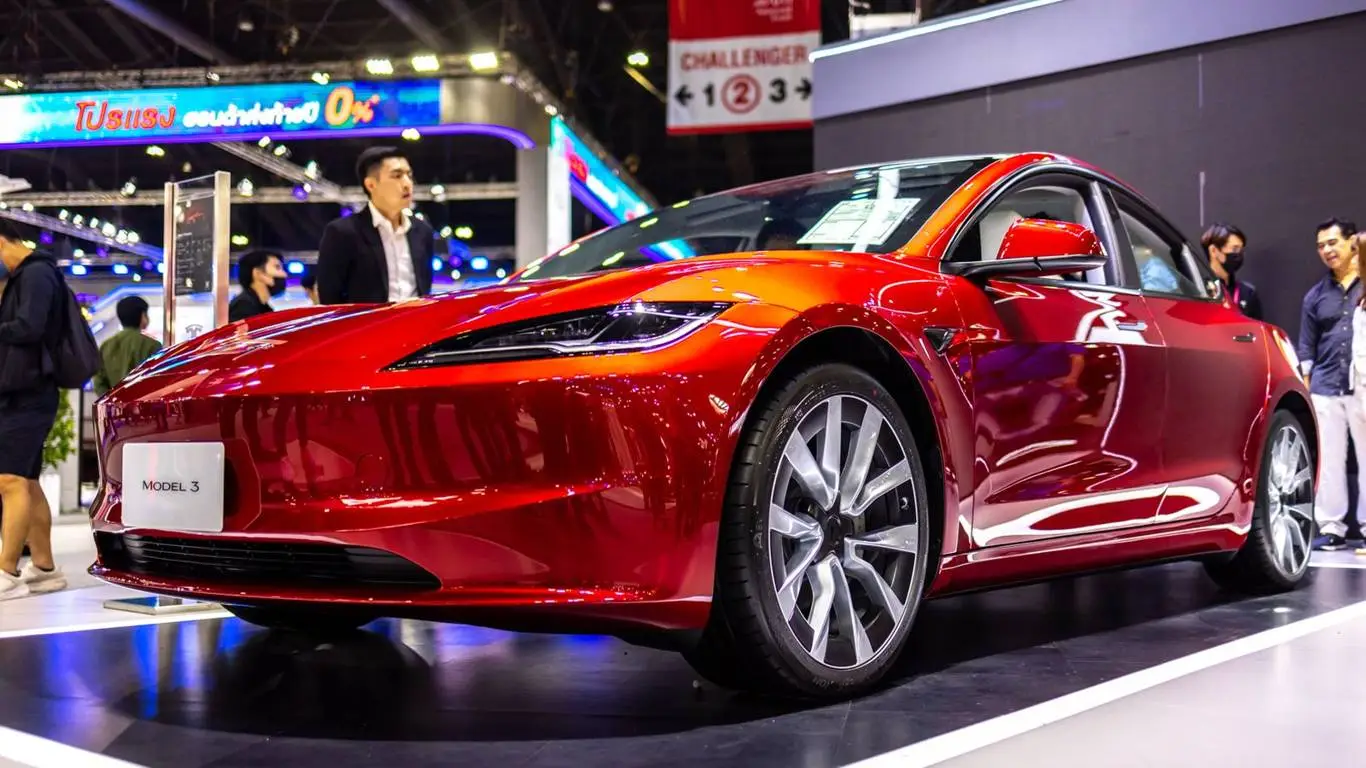
Back in 2023, the Shanghai factory was configured to produce the Canadian version of the Model Y, leading to a 460% increase in imports before tariffs were introduced. After the ban, Tesla switched to shipments from the U.S. and Europe, but most budget models, including the Model 3, continue to be manufactured in China. Now exports from Shanghai can resume with minimal delays.
Market Position and Competitors
Tesla maintains an extensive network of 39 sales locations across Canada—a key advantage over companies like BYD and Nio, which aren't yet present in the country. Chinese brands will also get a chance to enter the market, especially in the affordable segment, but the logistical and marketing gap remains significant.
Consequences and Prospects
Canada's move creates opportunities for both Tesla and major Chinese exporters, but Tesla is positioned to access this window of opportunity first, thanks to its prepared production base and streamlined lineup that allows for flexible volume distribution. This shift alters the dynamics of Canada's EV market and could spur new investments in local manufacturing.