Rolls-Royce V12 to stay as brand adjusts electric vehicle strategy
 B. Naumkin
Rolls-Royce extends V12 engine production due to softened Euro 7 rules, maintaining luxury and performance while continuing EV development.
Rolls-Royce Motor Cars has unexpectedly revised its long-term plans to phase out internal combustion engines. Previously, the Goodwood-based brand aimed to fully transition to electric vehicles by 2030, but it's now clear that the legendary V12 will remain in the lineup beyond that date.
The shift stems from softened Euro 7 environmental requirements and the European Union's revised stance on banning sales of combustion-engine cars after 2035. The new rules are less stringent than anticipated, giving niche manufacturers more room to maneuver.
Initially, Rolls-Royce viewed hybrid technology as a compromise that didn't align with its ultra-luxury status. However, amid Bentley's successful hybrid transition and changes in the regulatory landscape, the strategy has been adjusted.
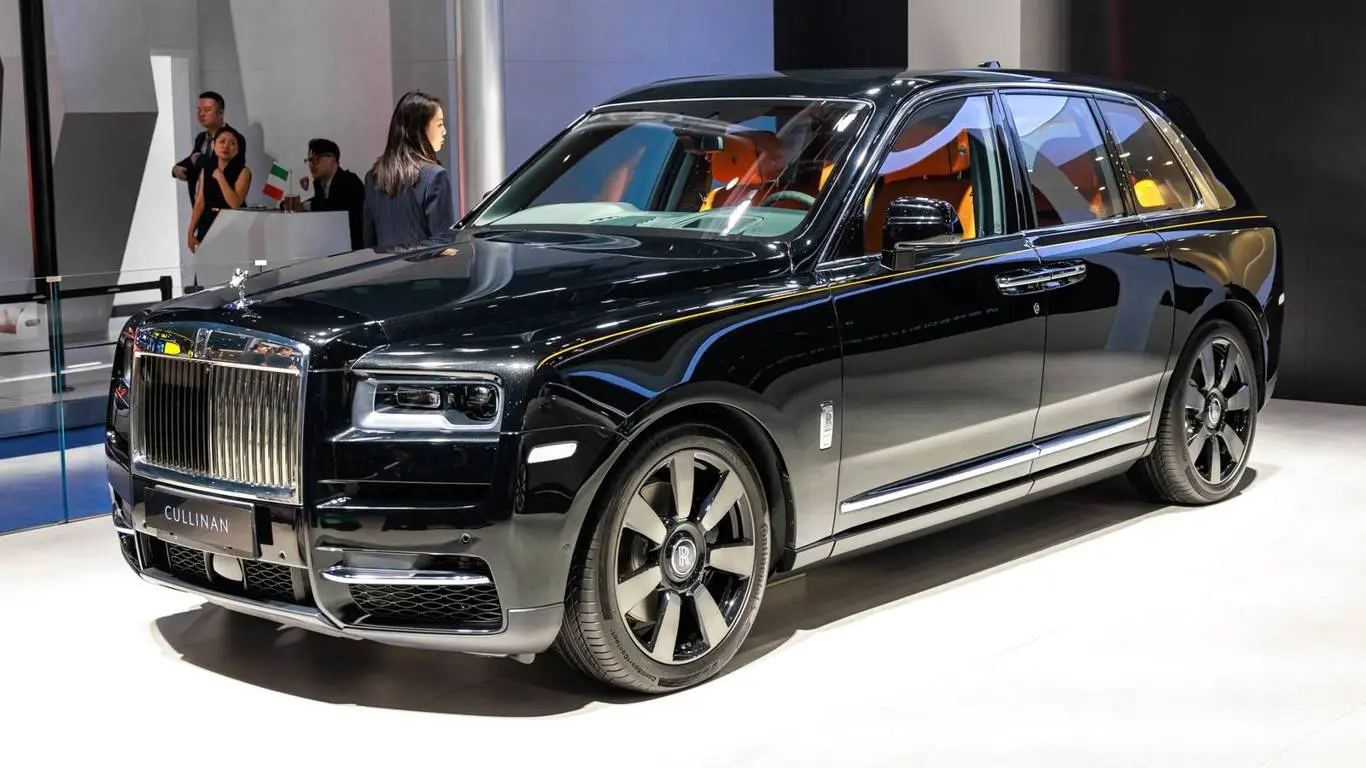
BMW's Chief Technical Officer, Joachim Post, confirmed that the group will continue producing six-, eight-, and twelve-cylinder engines, which directly means the V12 will be preserved for Rolls-Royce. This refers to the famous 6.75-liter bi-turbo V12 from the N74 family, used in the Ghost Series II, Phantom, and Cullinan. Depending on the version, the engine delivers between 563 and 593 horsepower and up to 900 N·m of torque, providing the signature "velvety" thrust that has become a hallmark of the brand.
Euro 7 focuses not only on exhaust emissions but also on brake and tire wear, along with continuous monitoring of harmful particles. Nevertheless, the requirements are manageable for low-volume manufacturers, especially in the ultra-luxury segment.
Overall, Rolls-Royce will continue developing its electric lineup but won't rush to abandon an engine that has been part of the brand's DNA for nearly 90 years. For customers, the Rolls-Royce V12 isn't just a motor—it's a philosophy of comfort and status, so the decision to keep it seems less like a step backward and more like a pragmatic compromise with reality.