Reduce fuel consumption by 30% without changing your driving style
 A. Krivonosov
Auto expert shows how to cut fuel consumption by 30% without slowing: fix brakes, replace filters, set tire pressure, reduce weight, use efficient oil and fuel.
Every driver wants their car to sip less fuel, especially when pump prices climb. The standard advice is to change your driving habits: slow down, accelerate gently, avoid traffic. But what if you like an engaging drive and have no plans to turn into a hypermiler? Auto expert Dvitriy Novikov, writing for 32CARS.RU, tried it on his own car and showed how to trim consumption by 30% without changing driving style.
Technical condition is the cornerstone of savings
The first step is a full checkup. On the tested sedan, one brake caliper was sticking, which made the wheel turn with extra drag. After servicing, the car rolled more freely and fuel use dropped by roughly 5%. The old air filter also had to go—the engine finally started to breathe freely again.
Novikov added that he found a faulty coolant temperature sensor that kept the engine from quickly switching to its efficient operating mode. After replacement, warm-up took less time and excess fuel stopped burning for nothing. Taken together, this delivered around 10% in savings.
Tires and pressure matter more than you think
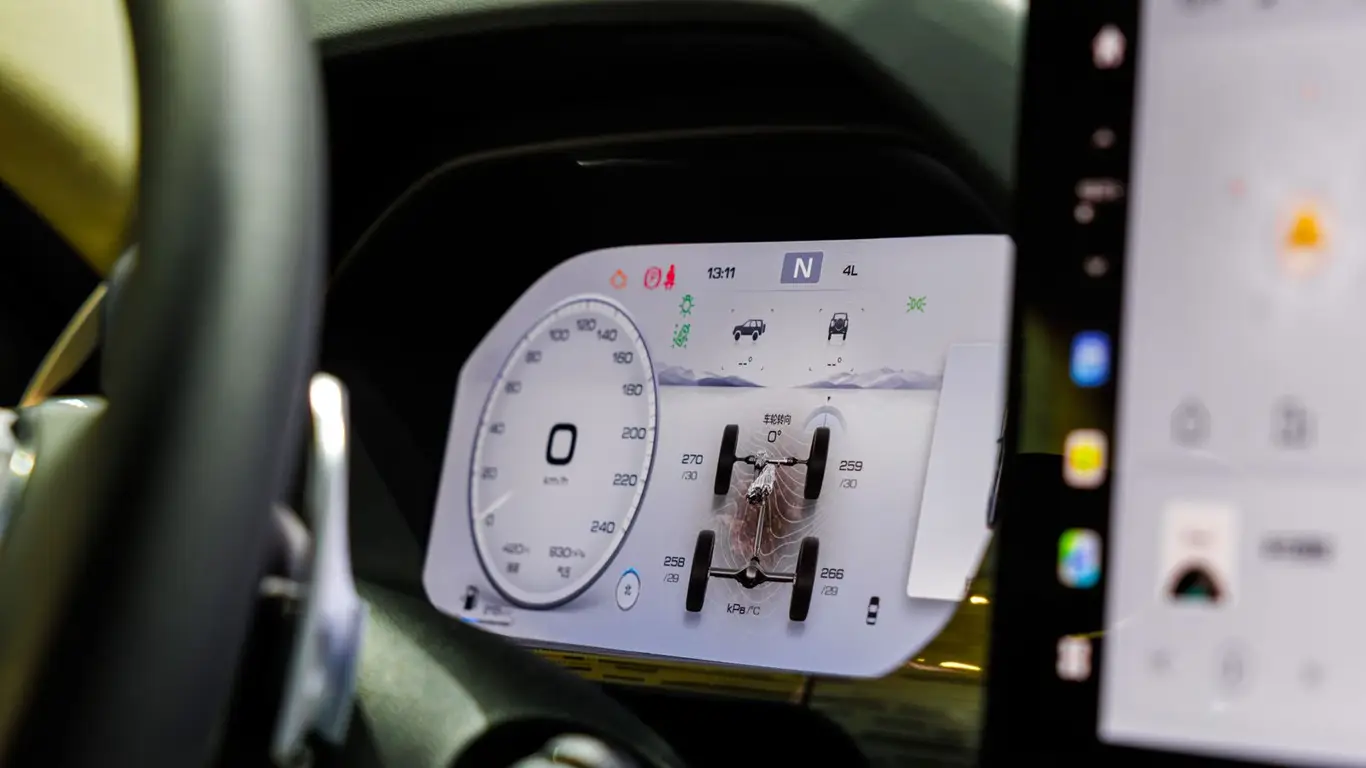
Many drivers—especially with mass-market models like the LADA Granta, Hyundai Solaris, or Kia Rio—underrate correct tire pressure, often inflating “by eye.” It turned out that being 0.3–0.4 bar below spec makes the car feel like it’s dragging itself. Once the pressure was set to the proper 2.2 bar and the tires swapped for low rolling resistance rubber, the car rolled easier and consumption dropped by 5–7%. It’s a quick, low-effort fix that pays off faster than most expect.
Weight and aerodynamics: less really is more
Every extra kilogram shows up in the engine’s appetite. Tools, spare parts and other “just in case” items in the trunk add weight, which is especially noticeable on compact city cars. Removing crossbars and roof carriers also eases aerodynamic drag. Together, smarter weight management and cleaner airflow bring another 3–5% cut in consumption.
Fuel and oil: where you shouldn’t skimp
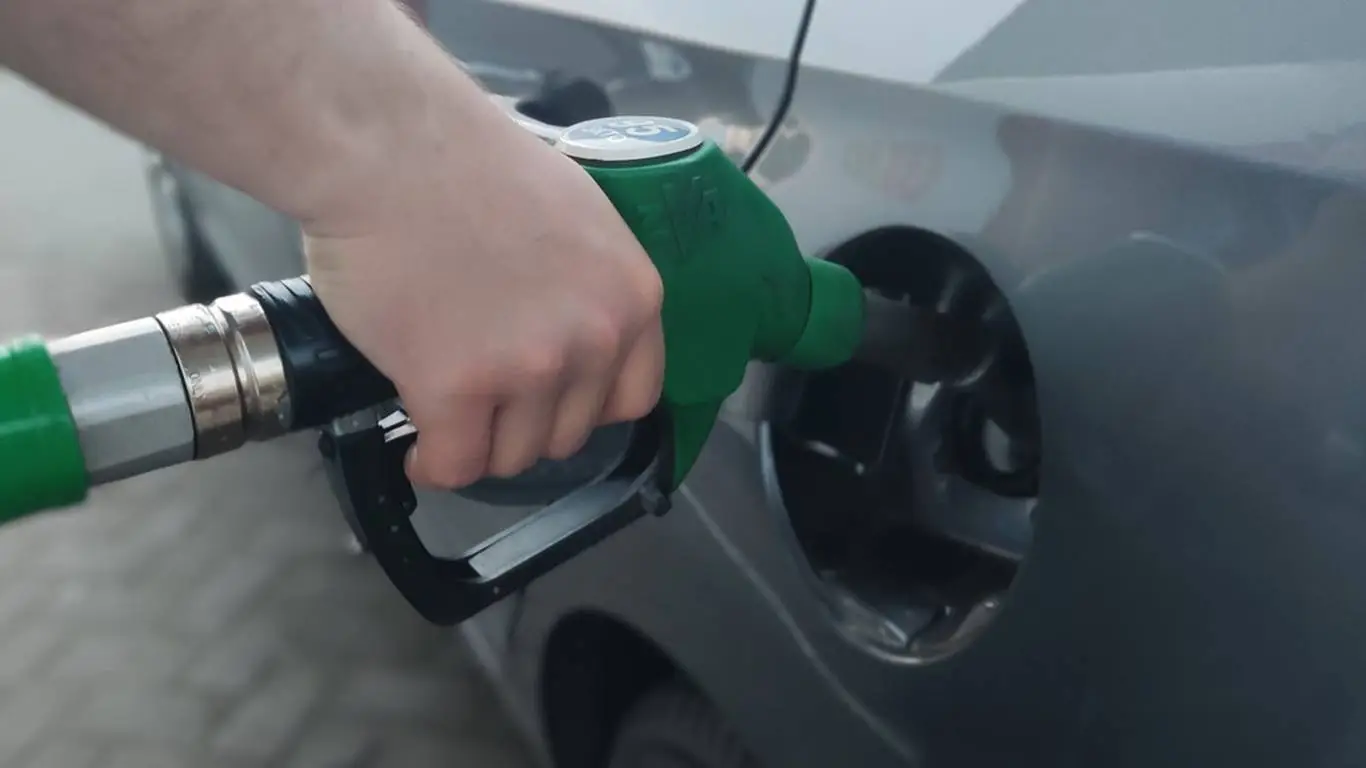
The right gasoline and engine oil can be decisive. Using higher-octane fuel (for example, 95 instead of 92) helps the engine work more efficiently, reducing strain during acceleration. Switching to low-viscosity synthetic oils (say, 0W-30 instead of 5W-40) lowers internal losses and improves cold starts. In total, this can shave up to 10% off your fuel use. The improvement is the kind you notice both on the trip computer and in day-to-day driving feel.
Result and takeaway
Put simply: healthy brakes, clean filters, correct tire pressures, quality fuel, and less excess weight can cut consumption by about a third—no need to alter your usual driving pace. The effect is steady, tangible, and doesn’t require special tricks.
Modern passenger cars—whether a Toyota Camry, Volkswagen Polo, or even a Moskvich 3—are designed with efficiency in mind. But the real savings come down to the owner. An economical car isn’t necessarily a brand-new showroom model; it’s a well-kept machine that isn’t fighting its own faults.