Dacia: Discounts Now Mean Bigger Losses at Resale Later
 dacia.co.uk
Dacia CEO Katrin Adt says deep discounts hurt resale value, even as the brand pushes into the pricier C-segment with the new Striker.
Mobility costs have risen by an average of 15%, according to Dacia CEO Katrin Adt, but the brand isn’t planning to respond with broad discounts. In an interview with Automotive News Europe, she explained that cutting prices to chase volume damages both trade-in and resale value. For buyers, that creates a trade-off between saving money upfront and losing less when they sell.
Dacia’s argument is backed by Renault Group’s own numbers. As of September 2025, the residual value of Renault and Dacia vehicles across Europe’s five largest markets ran 5–11 percentage points higher than key rivals. That said, it’s aggregate corporate data, not a guarantee for the resale price of any specific Sandero or Duster.
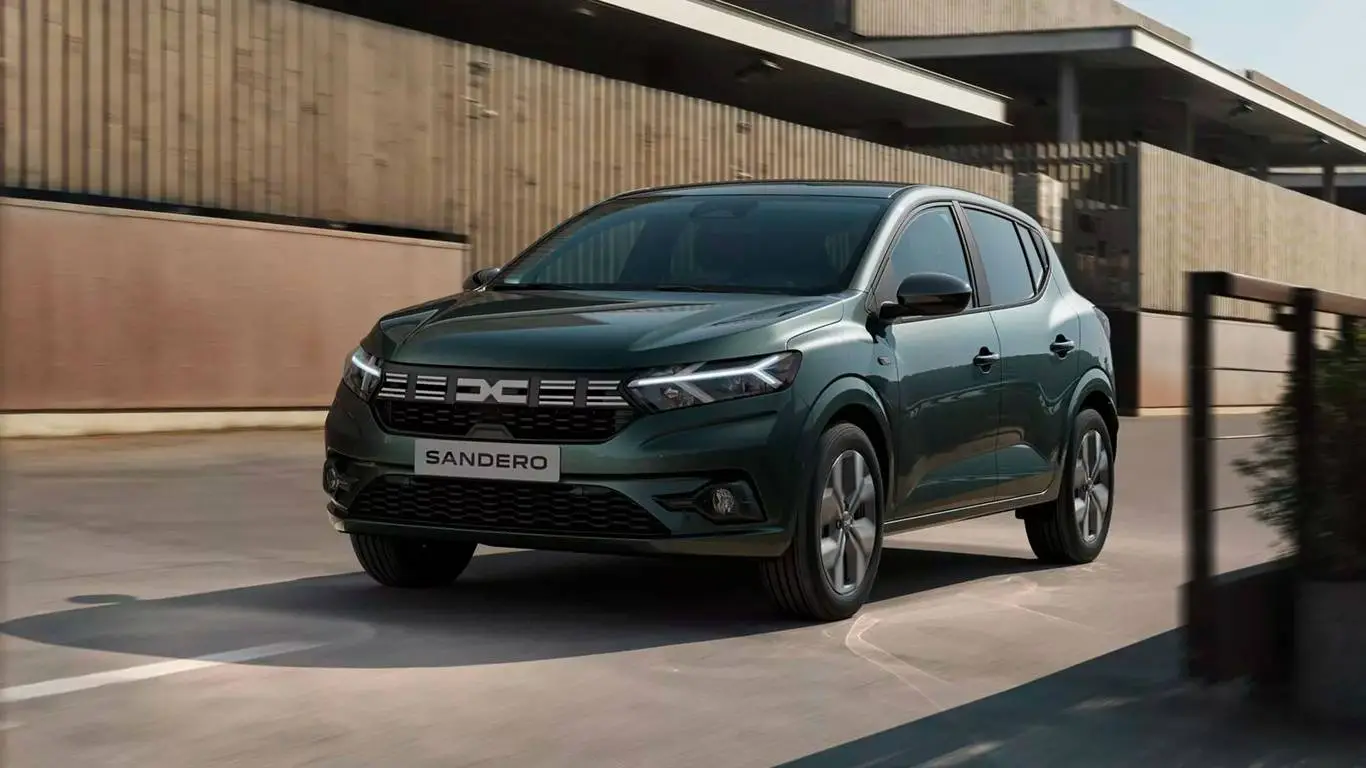
The policy hasn’t hurt sales so far. Dacia sold 697,408 vehicles in 2025, giving it a 7.9% share among European private buyers. The Sandero, with 289,295 units sold, was Europe’s best-selling car for the second year running.
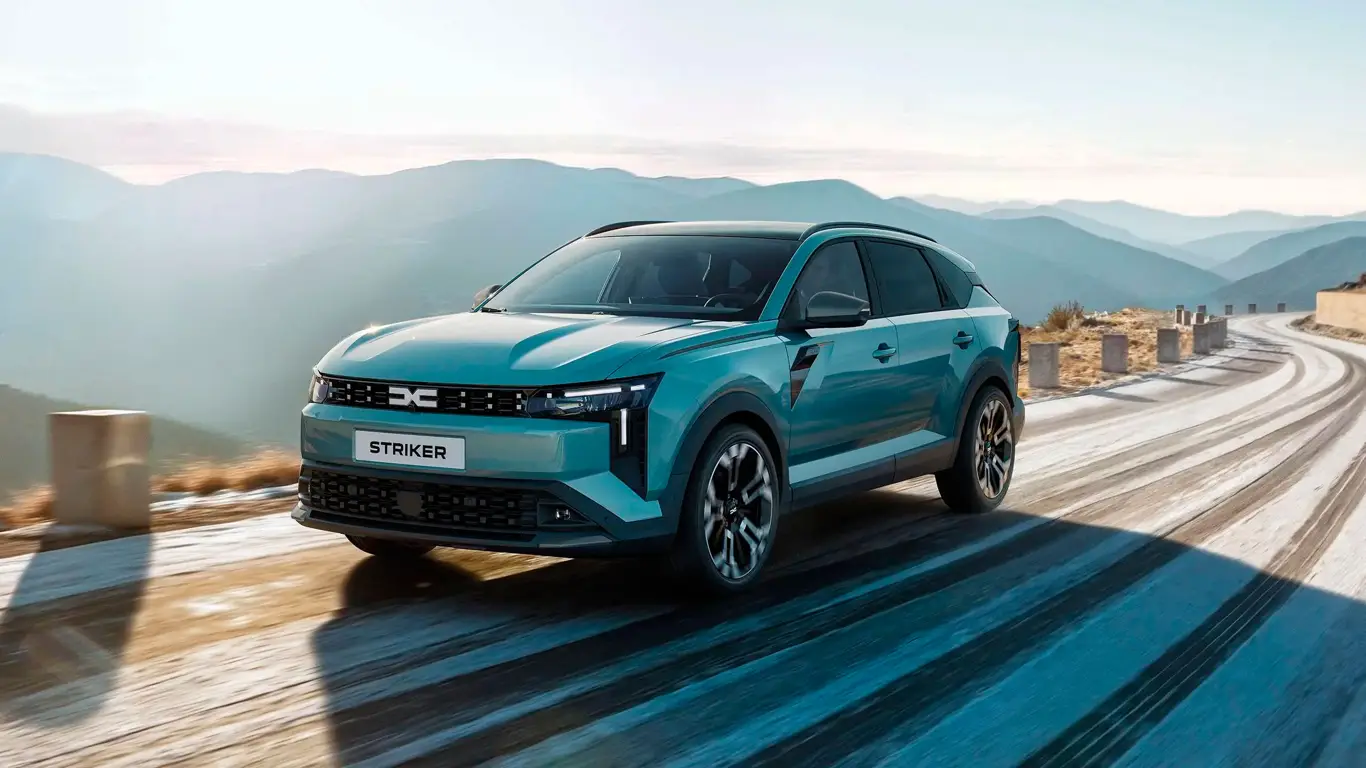
Now the brand is pushing into the pricier C-segment. The new Striker, 4.62 meters long, will start under €25,000, and Dacia wants larger models to grow from 20% to 33% of sales by 2030. At the same time, the company aims to trim the number of engine, model, and color combinations, since each extra option adds cost.
Manufacturing is another constraint. Morocco, alongside Romania’s Piteşti plant, remains central to Dacia’s industrial setup, so any tightening of EU origin rules for cars could affect its usual pricing model. Dacia still aims to lift the share of electrified vehicles to two-thirds by 2030 and grow its EV lineup from one model to four.
A discount on the price list, then, isn’t the only thing that matters. Dacia’s strategy works as long as the smaller loss in resale value outweighs the upfront savings rivals are offering buyers right now.