Rivian R2 First Models Lack LiDAR – What That Means for Buyers
 rivian.com
Rivian R2 initial release skips LiDAR. Learn why early adopters may not need to wait and how future upgrades will affect autonomous driving capabilities.
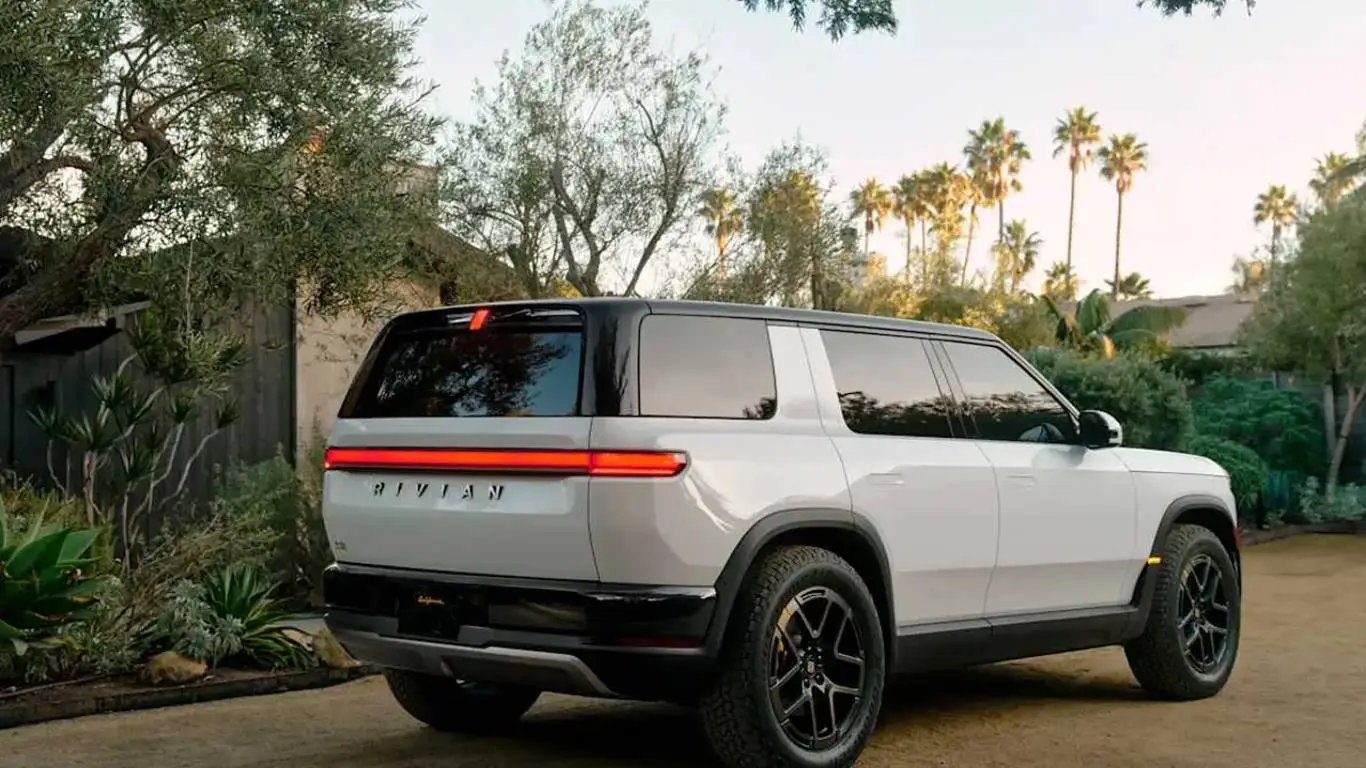
The first Rivian R2 models will arrive without LiDAR, and that has already sparked debate among future buyers. Some want to get the electric crossover sooner, while others fear repeating the early Tesla experience where new hardware quickly made older cars less future-proof.
Rivian insists most customers don't need to wait just for LiDAR. Top executives Wassym Bensaid and James Philbin explained that over the next few years, owners will barely notice any difference in capabilities between vehicles with and without the sensor. The early R2 Performance Launch Package without LiDAR will still include a hands-free point-to-point driving assistant.
LiDAR will come later as part of a new hardware architecture. But its primary role isn't to immediately give drivers a fundamentally different autopilot—it's to gather richer data for training the Large Driving Model. That data will improve the entire Rivian Gen2+ fleet, regardless of sensor configuration.
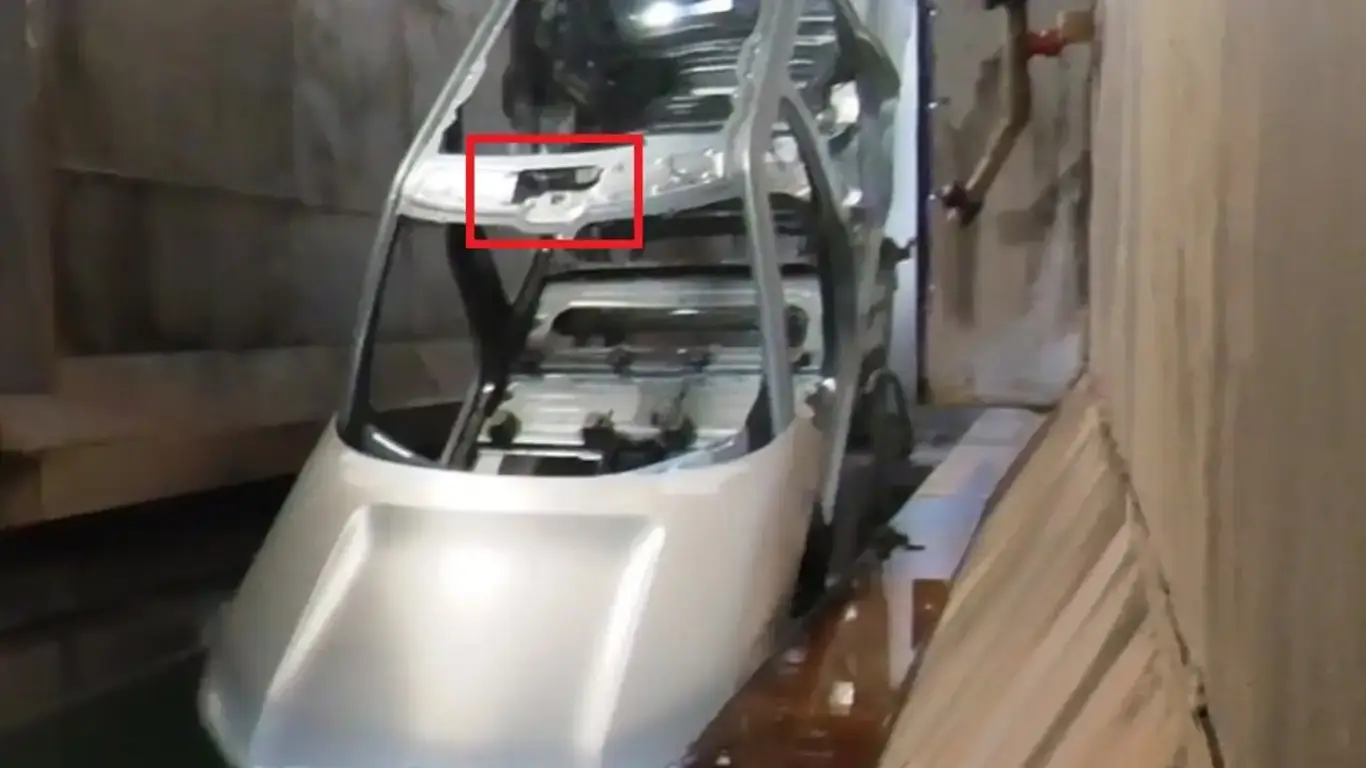
The difference will emerge over time. Rivian acknowledges that vehicles with LiDAR will eventually require less driver attention and gain more eyes-off features. But the timeline is vague: we're talking about "several years," not the next firmware update.
Here's the key detail: Rivian has no plans to retrofit LiDAR onto early R2s. So those planning to keep the car for 8 to 10 years and want the maximum autonomous capability down the road should think carefully. For buyers who change cars more often and want an R2 among the first, waiting may not offer a clear advantage.
The LiDAR saga shows how EV purchasing is changing. Now people aren't just choosing a battery and range—they're also gauging how long the hardware will stay relevant.