10 most notorious cars with chronic breakdowns and technical problems
 media.landrover.com
Discover 10 infamous cars with chronic breakdowns, including Ford Focus, Jeep Grand Cherokee, BMW 7 Series, and more. Learn about their technical flaws and why they failed.
Throughout automotive history, certain models have earned an unfortunate reputation. While poor reputations often stem from isolated technical issues or specific defects, some cars have become infamous for their numerous serious flaws—from mass recalls and high-profile lawsuits to a sharp decline in consumer trust.
Here are ten of the most notorious vehicles, known for their chronic breakdowns and technical problems.
1. Ford Focus / Fiesta (2011–2016): The Problematic PowerShift "Robot"
The issue lies with the PowerShift automated manual transmission. Drivers reported frequent jerking while driving, long delays between gear shifts, and rapid clutch wear. The transmission would begin to deteriorate quickly even at low mileage, forcing owners to visit service centers regularly.
2. Jeep Grand Cherokee (2011–2014): TIPM Engine Control Module Failure
The main problem was the Total Integrated Powertrain Module (TIPM), an electronic engine control unit. This led to random engine shutdowns, unstable electronics, and difficulty starting the vehicle, creating unpredictable and potentially unsafe driving situations.
3. BMW 7 Series (2002–2008): Overly Ambitious Technology
This model received criticism for its excessive electronic features and complex design. High-tech systems frequently failed, repairs were extremely costly, and maintenance became a significant challenge. Electronic glitches were common, complicating ownership of this luxury car.
4. Chevrolet Vega (1971–1977): Defective Aluminum Engines
The Chevrolet Vega's engine used aluminum, which proved unsuitable for this project. Engines overheated, lost power, and developed cracks and failures early in their lifespan. Owners faced repeated trips to the mechanic after just a few thousand miles.
5. Chrysler Sebring (2001–2010): Poor Build Quality
This car showed multiple weaknesses soon after its market debut. Issues included problems with engines, transmissions, interior components, and electrical systems. The low reliability of all parts contributed to the model's declining popularity among consumers.
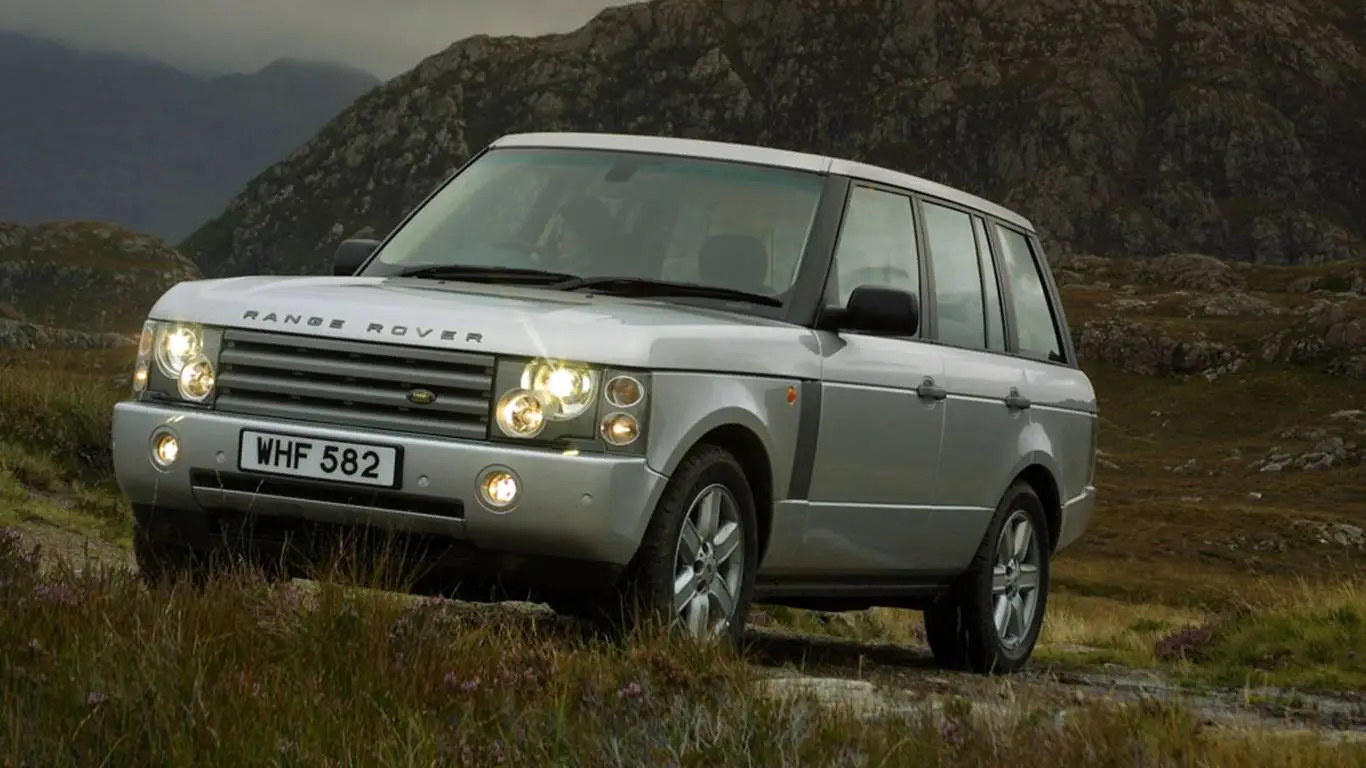
6. Range Rover (Early 2000s): High Maintenance Costs and Frequent Suspension Failures
Range Rovers proved complex and finicky to maintain. Their air suspension often malfunctioned, and electrical components failed regularly. Repairing such technology was expensive, requiring owners to spend significant sums to keep their SUVs running.
7. Mini Cooper (2007–2011): Timing Chain Damage
Some Mini Cooper generations experienced timing chain issues, leading to unusual noises and knocking in the engine. Oil consumption increased, the car ran less efficiently, and it demanded constant attention and regular service visits.
8. Cadillac CTS (Early 2000s): Declining Factory Reliability
Early Cadillac CTS models had numerous flaws: engines could fail unexpectedly, electronics broke periodically, and transmissions operated incorrectly. As a result, the car gained a reputation as one of the least reliable premium brands of that era.
9. Nissan Altima (2013–2016): Unreliable CVT Transmissions
Nissan equipped the Altima with a new type of automatic transmission—the continuously variable transmission (CVT). Unfortunately, these units proved insufficiently reliable, with reports of belt slippage, overheating, rapid wear, and breakdowns on the road. Many owners had to replace the transmission prematurely.
10. Fiat 500 (2012–2016): Small Size, Big Problems
The compact body hid serious design flaws. Buyers faced a range of malfunctions: transmission hiccups, regular electronic failures, and the use of low-quality materials in construction. All this made the car inconvenient and expensive to operate.
The negative reputation of these cars stems from several key factors:
— Rushed implementation of new technologies that haven't been thoroughly tested over time or in the market.
— Overly complex designs, where the pursuit of technical perfection results in increased fragility and reduced durability.
— Weakness in key structural elements, with reduced quality standards for components to cut manufacturer costs.
— Flawed engineering decisions and material cost-cutting, which later cause systematic technical errors and operational issues.